Editorial: Insights into gastrointestinal cancer metastasis from preclinical models
-
By
-
Bruna Costa
-
Alyssa Schledwitz
-
Jean-Pierre Raufman
-
May 20, 2026
Clinical Report: Understanding Metastasis in Gastrointestinal Cancer Through Preclinical Models
Overview
This editorial discusses the significance of preclinical models in understanding gastrointestinal cancer metastasis, highlighting the limitations of traditional mouse models and the potential of newer systems. It emphasizes the role of non-coding RNAs and the tumor microenvironment in metastatic progression.
Background
Metastatic spread is the leading cause of mortality in gastrointestinal cancer, making the understanding of its mechanisms crucial for improving patient outcomes. Traditional mouse models have been instrumental in cancer research, yet their relevance to human disease has been questioned due to high failure rates in translating findings to clinical trials. Advances in experimental models, including organoids and AI, are necessary to better capture the complexities of human gastrointestinal cancers.
Data Highlights
No numerical data presented in the editorial.
Key Findings
- Mouse models have been the primary preclinical tool for studying cancer metastasis for over 40 years.
- Approximately 80% of promising therapies in mouse studies fail in human clinical trials.
- Non-coding RNAs are emerging as key regulators of metastatic progression in gastrointestinal cancers.
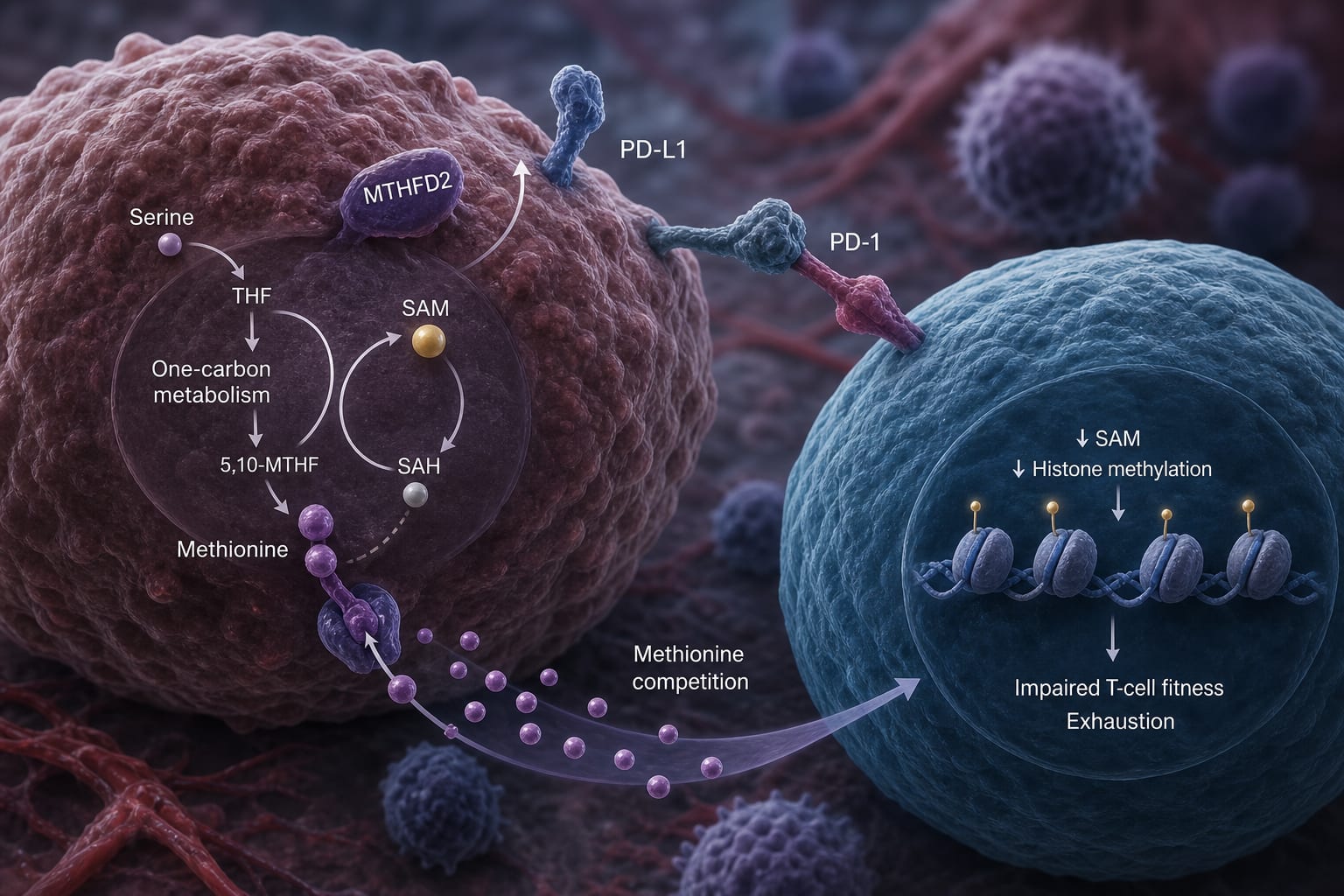
- Newer model systems allow for the exploration of tumor microenvironment interactions, enhancing understanding of metastasis.
- Research highlights the potential of targeting circRNA-driven pathways for therapeutic applications.
Clinical Implications
The findings underscore the need for clinicians to consider the limitations of traditional preclinical models when interpreting research results. Emphasizing the role of the tumor microenvironment and non-coding RNAs may guide future therapeutic strategies in gastrointestinal cancers.
Conclusion
This editorial highlights the evolving landscape of preclinical models in gastrointestinal cancer research, advocating for innovative approaches to better understand and target metastatic processes.
Related Resources & Content
- Frontiers in Endocrinology, 2026 -- Changes in Metabolic Characteristics Associated with Gastrointestinal Tract Cancers, Volume II
- Frontiers in Immunology, 2026 -- Orchestrating the pre-metastatic niche: roles of stromal mediators and immune cells in metastatic progression and therapeutic targeting
- Frontiers in Oncology, 2026 -- Exploring the tumor microenvironment in resectable lung cancer
- Archives of Toxicology -- Overcoming Drug Resistance in Cancer through EMT: Innovative Treatment Approaches
- ScienceDirect -- Metastatic colorectal cancer: ESMO Clinical Practice Guideline for diagnosis, treatment and follow-up
- ACCC -- FDA Approves Adagrasib + Cetuximab for KRAS G12C-Mutated Colorectal Cancer
- FDA -- FDA approves zolbetuximab-clzb with chemotherapy for gastric or gastroesophageal junction adenocarcinoma
- Metastatic colorectal cancer: ESMO Clinical Practice Guideline for diagnosis, treatment and follow-up - ScienceDirect
- ACCC | FDA Approves Adagrasib + Cetuximab for KRAS G12C-Mutated Colorectal Cancer
- FDA approves zolbetuximab-clzb with chemotherapy for gastric or gastroesophageal junction adenocarcinoma | FDA
This content is an AI-generated, fully rewritten summary based on a published scholarly article. It does not reproduce the original text and is not a substitute for the original publication. Readers are encouraged to consult the source for full context, data, and methodology.