Editorial: Enhancing Immune Research in Chronic Liver Disorders via Innovative Methodological Approaches
-
By
-
Sara Massironi
-
Ana C. Maretti-Mira
-
June 30, 2026
Clinical Report: Enhancing Immune Research in Chronic Liver Disorders
Overview
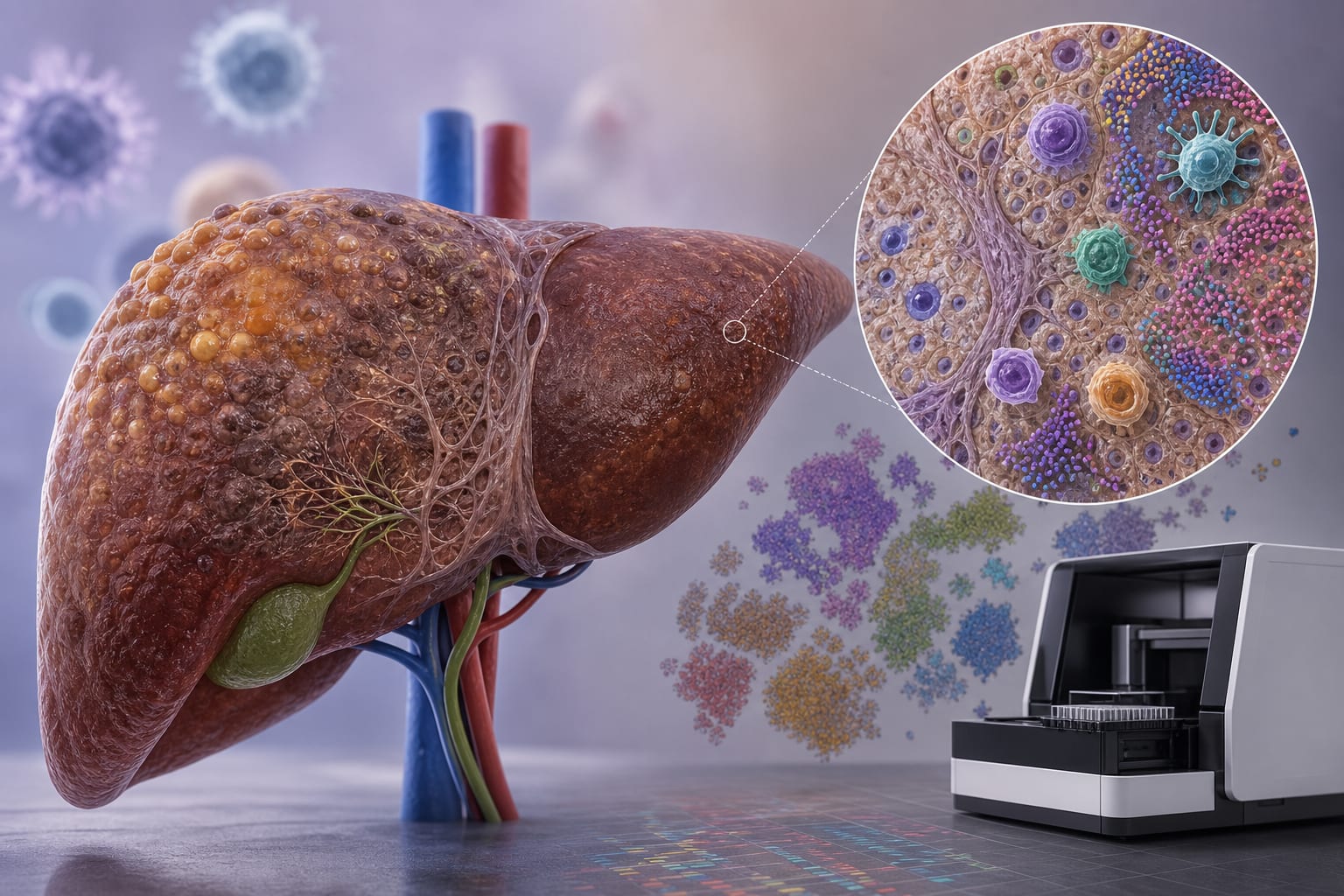
This editorial discusses innovative methodological approaches that enhance immune research in chronic liver diseases (CLDs). It highlights the integration of immunological and metabolic information, the characterization of immune microenvironments, and the search for clinically useful biomarkers.
Background
Chronic liver diseases, including autoimmune liver diseases and metabolic dysfunction-associated steatotic liver disease, pose significant global health challenges. Understanding the immune responses and metabolic pathways involved in these conditions is crucial. Recent advancements in research methodologies offer new insights into the complex interactions that characterize these diseases.
Data Highlights
No numerical or trial data provided in the source material.
Key Findings
- Innovative technologies like single-cell sequencing and spatial transcriptomics are transforming research in chronic liver diseases.
- Characterization of immune microenvironments reveals complex cellular ecosystems influencing disease behavior.
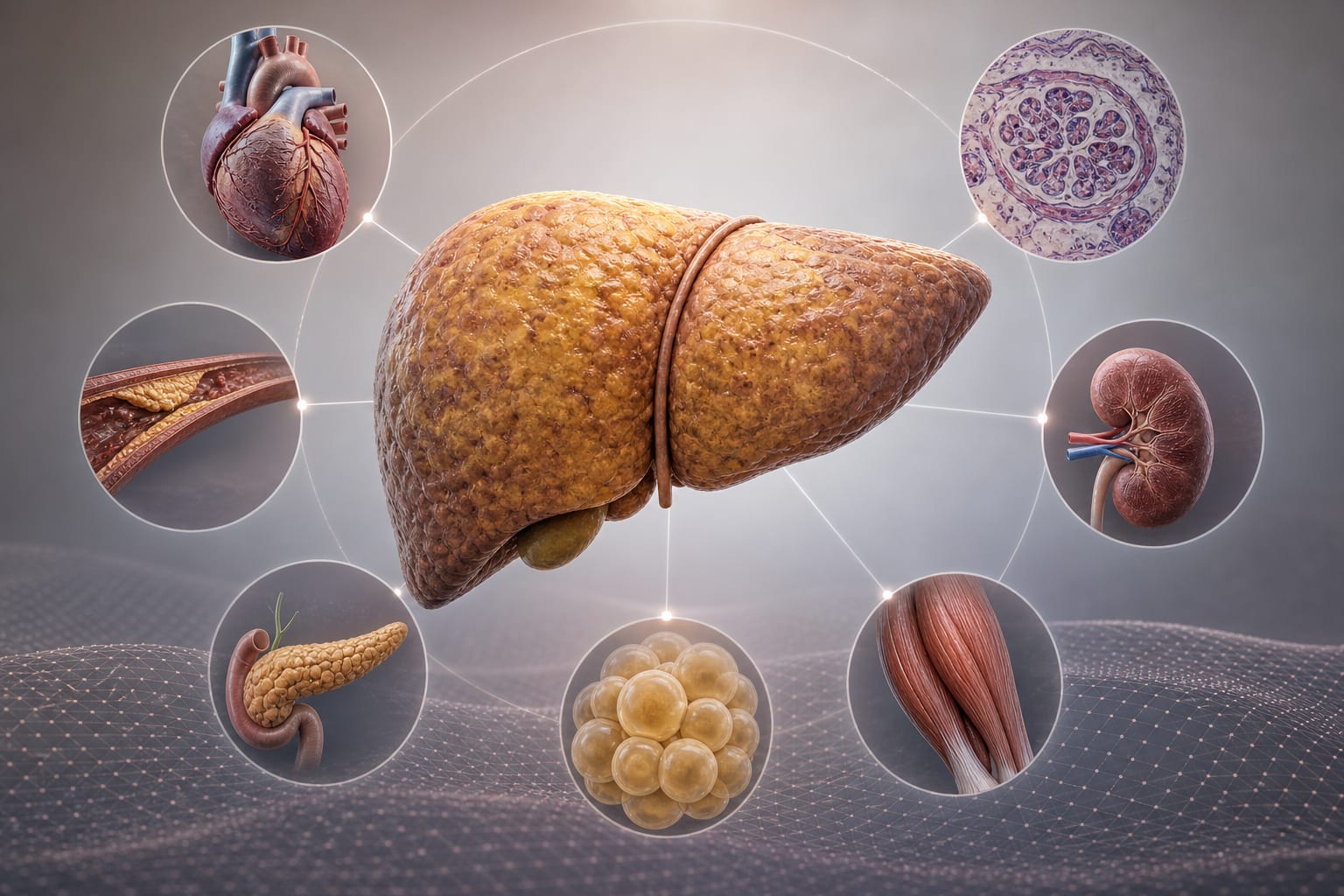
- Metabolic reprogramming actively shapes immune responses and fibrogenesis in liver diseases.
- Shared autoimmune mechanisms across organ systems highlight the need for integrated approaches to autoimmunity.
- Emerging biomarkers linked to humoral immune responses may play a role in metabolic liver disease progression.
Clinical Implications
Clinicians should consider the complex interplay between immune responses and metabolic pathways when managing patients with CLDs.
Conclusion
Innovative methodological approaches are reshaping the understanding of liver immunopathology and may lead to more precise diagnostic and therapeutic strategies for chronic liver diseases.
Related Resources & Content
- Frontiers in Immunology, 2026 -- Innovative approaches to immunogenetics and organ transplantation
- Journal of Gastroenterology, 2022 -- Therapeutic Approaches Targeting the Immune Response in Chronic Hepatitis B
- Frontiers in Immunology, 2026 -- Immune cell metabolism beyond energy supply – an emerging era to showcase novel roles in immune effector functions
- EASL Clinical Practice Guidelines on autoimmune hepatitis - Journal of Hepatology, 2022
- Clinical Assessment and Management of Metabolic Dysfunction-Associated Steatotic Liver Disease | AASLD
- Frontiers in Immunology — Revealing the pathogenesis of autoimmune hepatitis and research progress in drug discovery from hepatic immune cells and intercellular communication signaling mechanisms
- AASLD Practice Guideline on imaging-based noninvasive liver disease assessment of hepatic fibrosis and steatosis
- EASL Clinical Practice Guidelines on sclerosing cholangitis - Journal of Hepatology
- Clinical Assessment and Management of Metabolic Dysfunction-Associated Steatotic Liver Disease | AASLD
- EASL Clinical Practice Guidelines on the management of autoimmune hepatitis - Journal of Hepatology
- Drug Trials Snapshots: IQIRVO | FDA
- Phase 3 Trial of Semaglutide in Metabolic Dysfunction–Associated Steatohepatitis | New England Journal of Medicine
- Efficacy and safety of GLP-1 receptor agonists in MASH with fibrosis: A systematic review and meta-analysis - PMC
- Quantitative regression of qFibrosis with resmetirom: Exploratory histologic endpoints from the MAESTRO-NASH phase III clinical trial - PubMed
- Dr. Falk Pharma announces positive results from its pivotal
- New publication from the EASL AI Task Force - EASL-The Home of Hepatology.
- Spatial profiling of chronic liver disease: a pilot spatial case series | Scientific Reports
- Artificial intelligence in hepatology: A comprehensive scoping review of clinical applications, challenges, and future directions - PMC
Based on findings from:
Editorial: Advancing immune research in chronic liver diseases through new approach methodologies
Sara Massironi, Ana C. Maretti-Mira. Frontiers In Immunology, 2026.
https://www.frontiersin.org/journals/immunology/articles/10.3389/fimmu.2026.1912152/full
This content is an AI-generated, fully rewritten summary based on a published scholarly article. It does not reproduce the original text and is not a substitute for the original publication. Readers are encouraged to consult the source for full context, data, and methodology.