Hemodynamic Instability in Intubation May Be Predictable - Report - MDSpire
Advertisement
Hemodynamic Instability in Intubation May Be Predictable
Narrative review describes how physiologic stressors accumulate from induction through postintubation care and may contribute to cardiovascular deterioration during airway management.
Clinical Report: Hemodynamic Instability in Intubation May Be Predictable
Overview
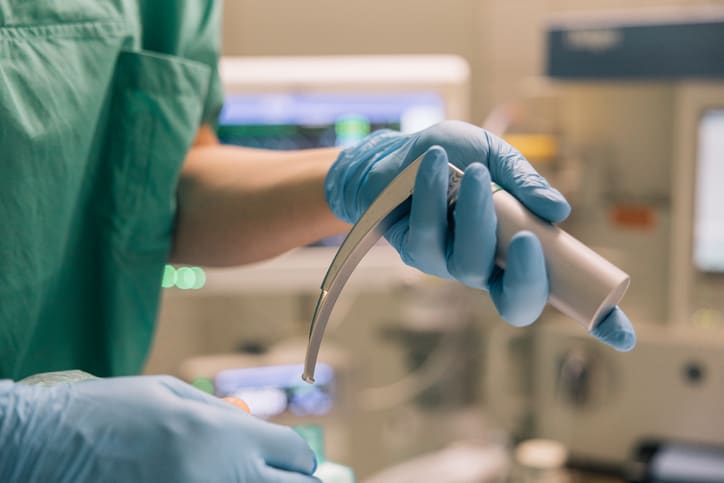
Hemodynamic instability during tracheal intubation in the ICU is common, with nearly 50% of cases experiencing cardiovascular complications. This review synthesizes evidence on the sequence of physiologic events leading to instability and highlights the role of induction agents in exacerbating these issues, as noted in the source material.
Background
Understanding hemodynamic instability during intubation is critical due to its high incidence and potential impact on patient outcomes. Cardiovascular instability complicates nearly half of ICU intubations, with hypotension being the most frequent and serious complication, as reported in the source. Identifying predictive factors and managing hemodynamic status is essential for improving patient safety during this high-risk procedure.
Data Highlights
Study
Cardiovascular Instability Rate
Severe Hypoxemia Rate
Cardiac Arrest Rate
INTUBE cohort
43%
9%
3%
Key Findings
Cardiovascular instability complicates nearly 50% of ICU intubations.
Hypotension is the most common peri-intubation complication.
Propofol is associated with hypotension due to systemic vasodilation and myocardial depression.
Ketamine and etomidate show greater hemodynamic tolerance compared to propofol.
Positive-pressure ventilation can worsen hemodynamic status by increasing intrathoracic pressure.
Noninvasive ventilation is effective in reducing hypoxemia compared to high-flow nasal cannula.
Clinical Implications
Clinicians should be aware of the hemodynamic risks associated with different induction agents and consider the patient's physiologic status prior to intubation, as indicated in the source material.
Conclusion
The review emphasizes the need for a mechanistic understanding of hemodynamic changes during intubation to guide clinical decision-making.
Federal prosecutors allege that a Florida physician and research staff fabricated clinical trial records that were submitted into database systems used to evaluate investigational drugs.