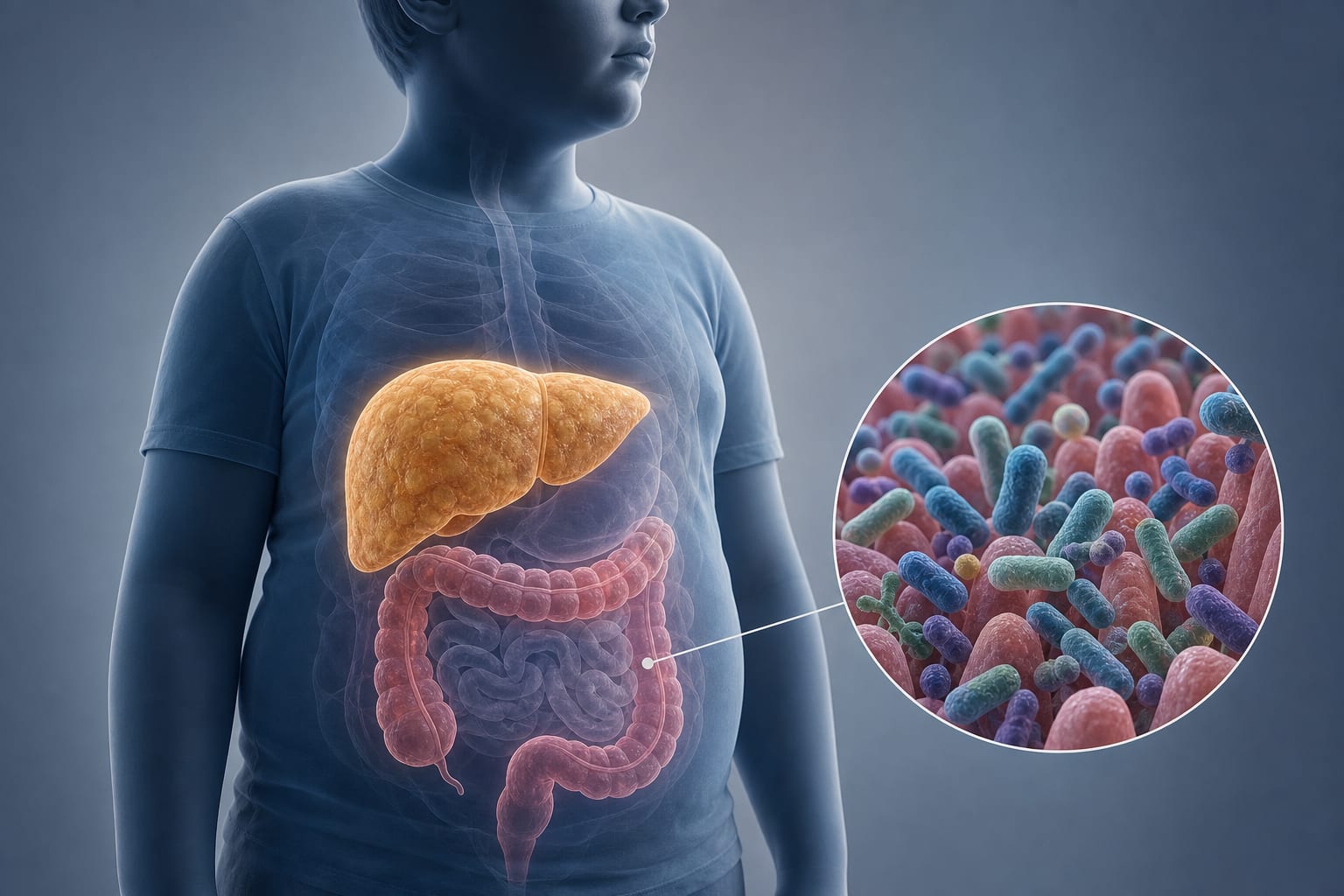
Clinical Report: The Role of Gut Microbiota in Pediatric Metabolic Dysfunction
Overview
This report examines the rising incidence of metabolic dysfunction-associated steatotic liver disease (MASLD) in children, emphasizing the role of gut microbiota. It highlights the urgent need for early identification and targeted interventions due to the significant health risks associated with MASLD.
Background
Metabolic dysfunction-associated steatotic liver disease (MASLD) is a prevalent chronic liver condition, particularly among children, linked to obesity and other metabolic disorders. The increasing prevalence of MASLD, especially in obese pediatric populations, underscores the importance of understanding its risk factors and potential interventions. Recent studies suggest a complex relationship between gut microbiota and MASLD, warranting further investigation into therapeutic strategies.
Data Highlights
Remove placeholder text and provide relevant data or state that data is not available.
Key Findings
The prevalence of MASLD in the general pediatric population is approximately 14%, rising to 38% among obese children.
Familial clustering suggests a potential genetic component in the development of MASLD.
Obesity is a significant risk factor for MASLD, but it can also occur in non-obese individuals.
Ethnicity and genetic factors may influence the risk of MASLD, particularly in lean patients.
Global projections indicate that MASLD cases could reach nearly 460 million by 2030.
Clinical Implications
Healthcare professionals should prioritize early identification and management of MASLD in pediatric patients, particularly those with obesity. Lifestyle modifications and monitoring of metabolic comorbidities are essential components of care, while the role of gut microbiota in treatment remains an area for future research.
Conclusion
The rising incidence of MASLD in children necessitates a comprehensive understanding of its risk factors and potential interventions. Continued research into the gut microbiome's role may provide new avenues for treatment.