Effects of Telerehabilitation With Exercise as the Core Component on Peak Oxygen Uptake and Blood Pressure in Patients With Cardiovascular Disease: Systematic Review and Meta-Analysis - Report - MDSpire
Conexiant’s news site is now MDSpire News. Learn more
Advertisement
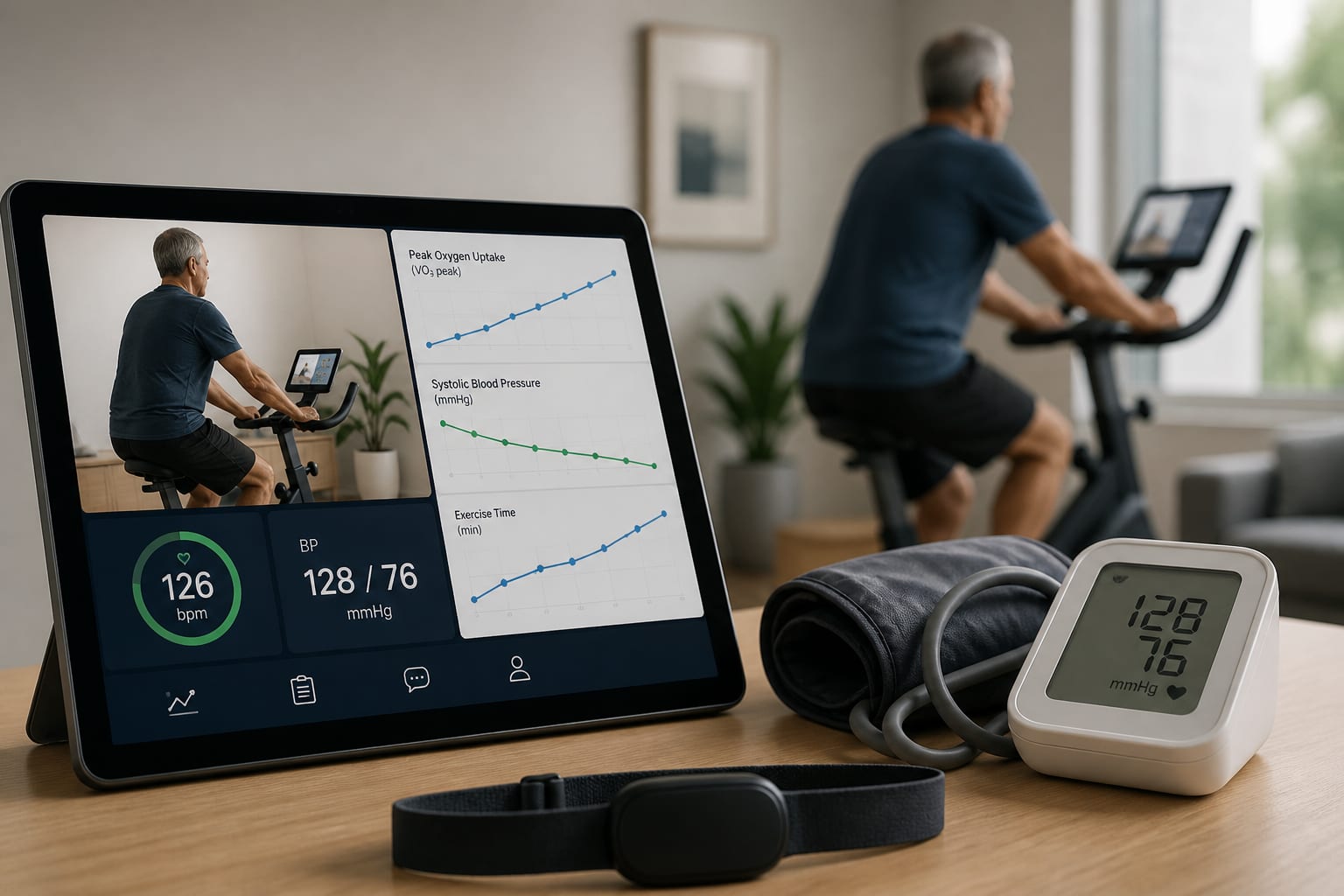
Impact of Exercise-Focused Telerehabilitation on Peak Oxygen Consumption and Blood Pressure in Individuals with Cardiovascular Disease: A Systematic Review and Meta-Analysis
Clinical Report: Impact of Exercise-Focused Telerehabilitation on CVD Outcomes
Overview
This systematic review and meta-analysis evaluates the effects of exercise-focused telerehabilitation on peak oxygen consumption and blood pressure in individuals with cardiovascular disease.
Background
Cardiovascular disease (CVD) remains the leading cause of mortality globally, with significant implications for public health. Effective management strategies, including cardiac rehabilitation (CR), are essential for improving long-term outcomes in CVD patients. However, barriers to traditional CR delivery necessitate the exploration of alternative modalities such as telerehabilitation.
Data Highlights
No specific numerical data was provided in the source material.
Key Findings
Telerehabilitation can serve as an alternative to center-based cardiac rehabilitation.
Exercise-based cardiac rehabilitation has shown reductions in cardiovascular mortality and recurrent events.
Barriers to traditional CR include inadequate resources and poor adherence.
Comprehensive CVD care includes risk factor management and psychosocial support.
Adherence to secondary preventive medications remains suboptimal among CVD patients.
Clinical Implications
Further research is needed to explore the role of telerehabilitation in CVD management.
Conclusion
Further research is needed to solidify the role of exercise-focused telerehabilitation in standard care.