Clinical Report: Adherence to Allopurinol in Newly Diagnosed Gout Patients
Overview
This study investigates the association between adherence to allopurinol and fracture risk in newly diagnosed gout patients using a nationwide cohort analysis.
Background
Gout is a common form of arthritis characterized by recurrent flares due to urate crystal deposition. The increasing incidence and prevalence of gout, particularly in high-sociodemographic regions, necessitate effective management strategies. Understanding the relationship between gout, urate-lowering therapy, and fracture risk is crucial for optimizing patient outcomes.
Data Highlights
No numerical data was provided in the source material.
Key Findings
Gout is associated with an increased risk of fractures, although the extent of this risk remains debated.
Medication adherence among gout patients is often poor, which may influence fracture risk.
The study utilized the NHIS-HEALS database, covering a representative sample of South Korean individuals.
Adherence levels were measured using the medication possession ratio (MPR) over a two-year period.
Conflicting evidence exists regarding the impact of uric acid levels on bone health and fracture risk.
Clinical Implications
Clinicians should prioritize improving medication adherence in gout patients to potentially mitigate fracture risk. Understanding the nuances of urate-lowering therapy and its effects on bone health is essential for comprehensive patient management.
Conclusion
This study highlights the relationship between gout, medication adherence, and fracture risk.
by Jang Ho Doo, Jiwon Yu, Sun Jae Park, Sang woo Park, Jina Chung, Ju Hyun Kang, Young Jun Park, Hyun-Young Shin, Changho Han, Byeongzu Ghang, Sang Min Park
Patients with gout who reached serum urate targets had modestly higher 5-year cardiovascular event-free survival, with associations strongest among high-risk patients
So get this: sodium may track with memory decline (in men), steroids might not be “immunosuppressive” in the ICU, and second pregnancies reshape the brain differently than first. Same theme: biology is less binary than we teach it.
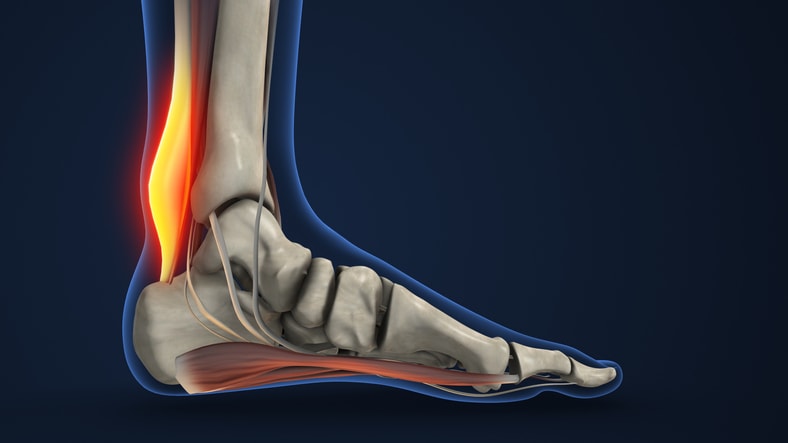
A case report highlighted extensive intratendinous urate deposition and bilateral Achilles tendon rupture, raising awareness of tendon complications in advanced gout.