Clinical Report: Impact of Transcranial Magnetic Stimulation on Limb Function in Stroke Patients
Overview
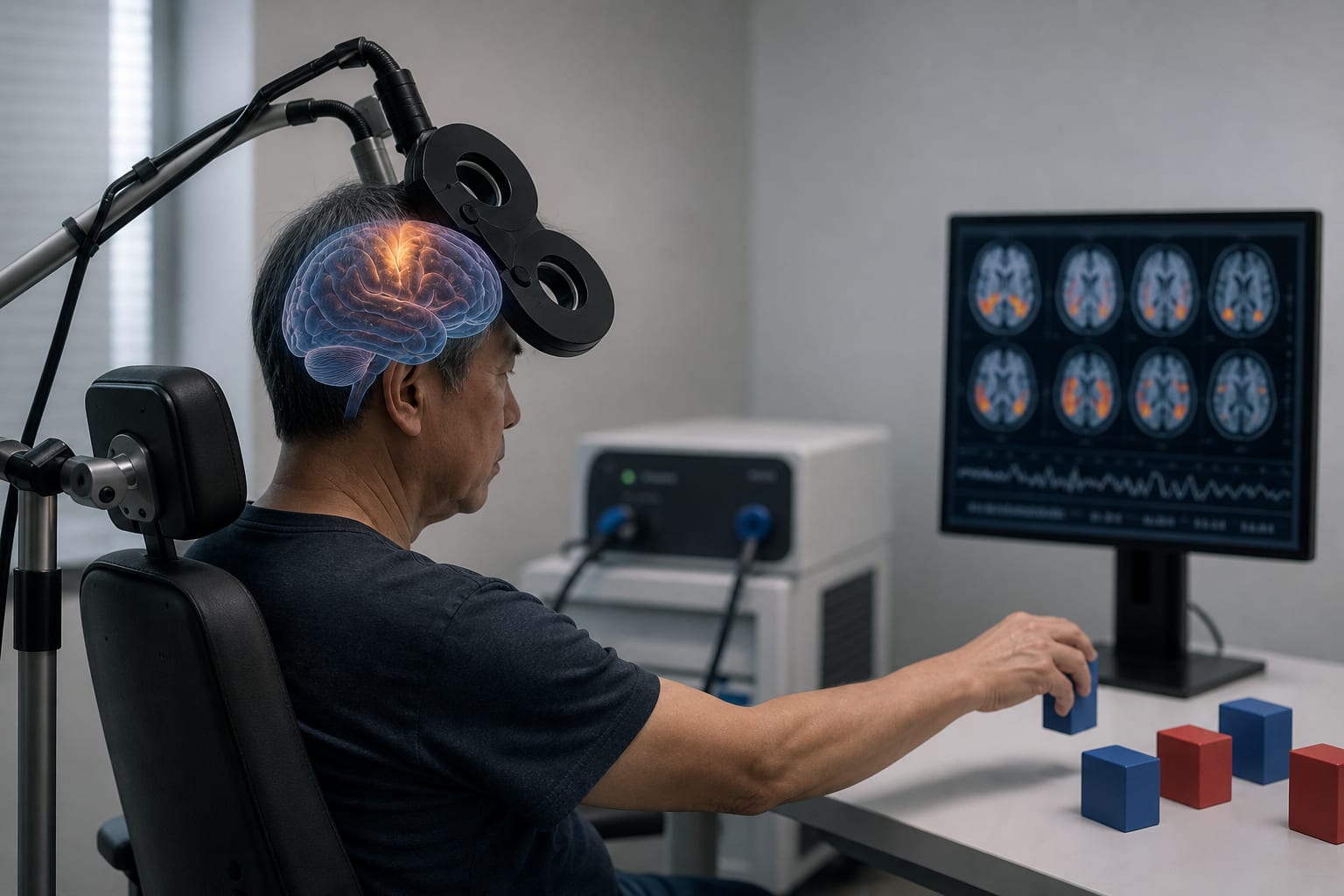
This systematic review and meta-analysis evaluate the effects of transcranial magnetic stimulation (TMS) on limb function in stroke patients. The findings indicate significant improvements in specific assessments, particularly the Action Research Arm Test (ARAT) and Box and Block Test (BBT), while other measures showed no significant effects.
Background
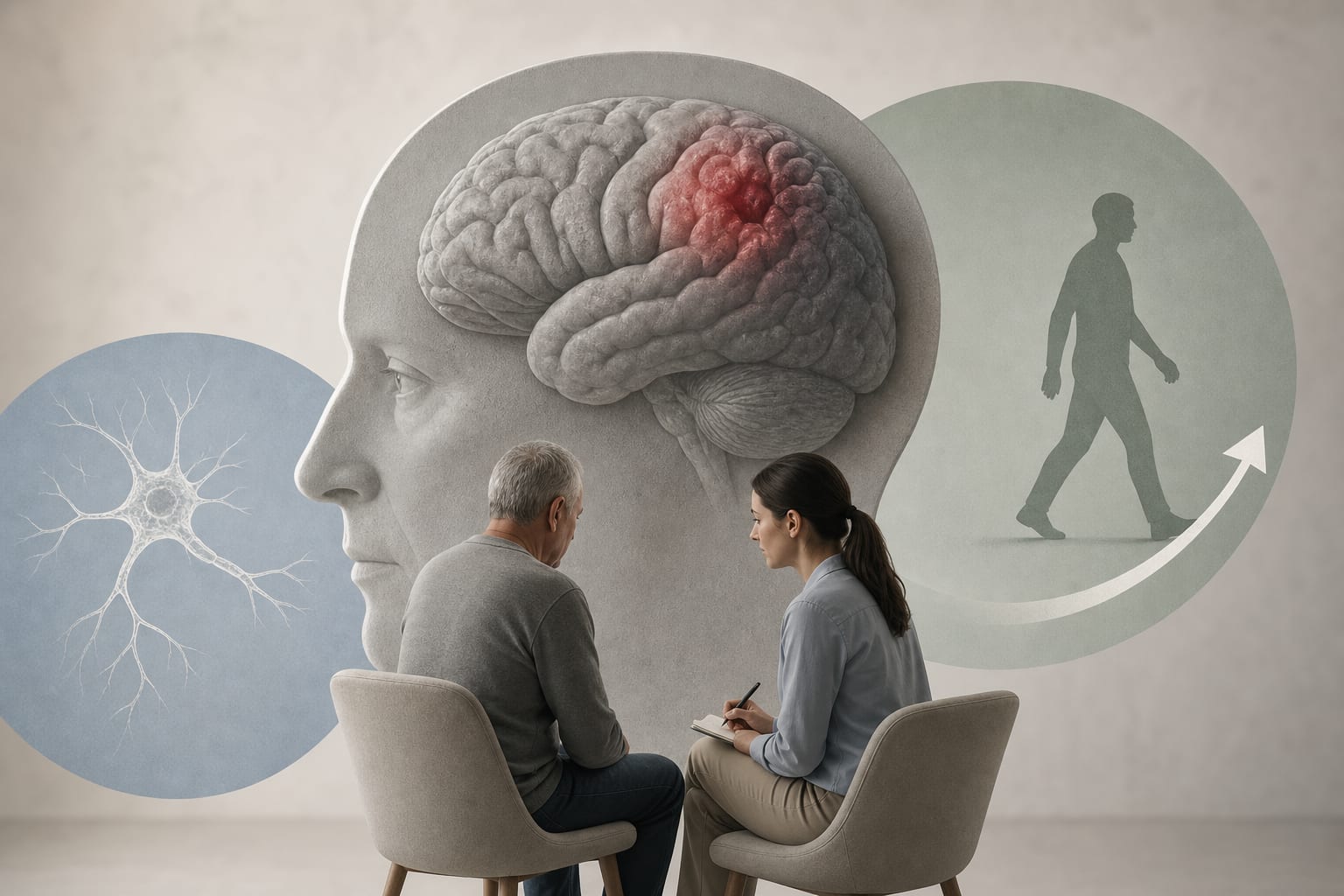
Stroke is a leading cause of disability worldwide, with many survivors experiencing motor impairments that hinder daily activities. Transcranial magnetic stimulation (TMS) has been investigated as a therapeutic intervention to enhance motor recovery in stroke patients. Understanding the efficacy of TMS is crucial for optimizing rehabilitation strategies for stroke survivors.
Data Highlights
Assessment
Mean Difference (MD)
95% Confidence Interval (CI)
P-value
ARAT
8.01
0.53–15.50
0.04
BBT
5.36
0.16–10.56
0.04
FMA-UL
-
-
P > 0.88
FMA-LL
-
-
P > 0.88
MAS
-
-
P > 0.88
WMFT
-
-
P > 0.88
Key Findings
TMS significantly improved scores on the Action Research Arm Test (ARAT) with a mean difference of 8.01.
Improvements were also noted in the Box and Block Test (BBT) with a mean difference of 5.36.
No significant effects were observed for Fugl-Meyer Assessment for Upper Limb (FMA-UL), Fugl-Meyer Assessment for Lower Limb (FMA-LL), Modified Ashworth Scale (MAS), and Wolf Motor Function Test (WMFT).
Subgroup analysis indicated that intervention cycles longer than 2 weeks improved FMA scores.
The study included a total of 21 randomized controlled trials (RCTs) in the meta-analysis.
Further large-scale RCTs are necessary to confirm the findings due to the limited sample size.
Clinical Implications
The findings suggest that TMS may be beneficial for improving upper limb function in stroke patients, particularly in enhancing flexibility and motion. Clinicians should consider the duration of TMS interventions when designing rehabilitation programs.
Conclusion
Further research is needed to validate the effects of TMS on limb function in stroke patients.