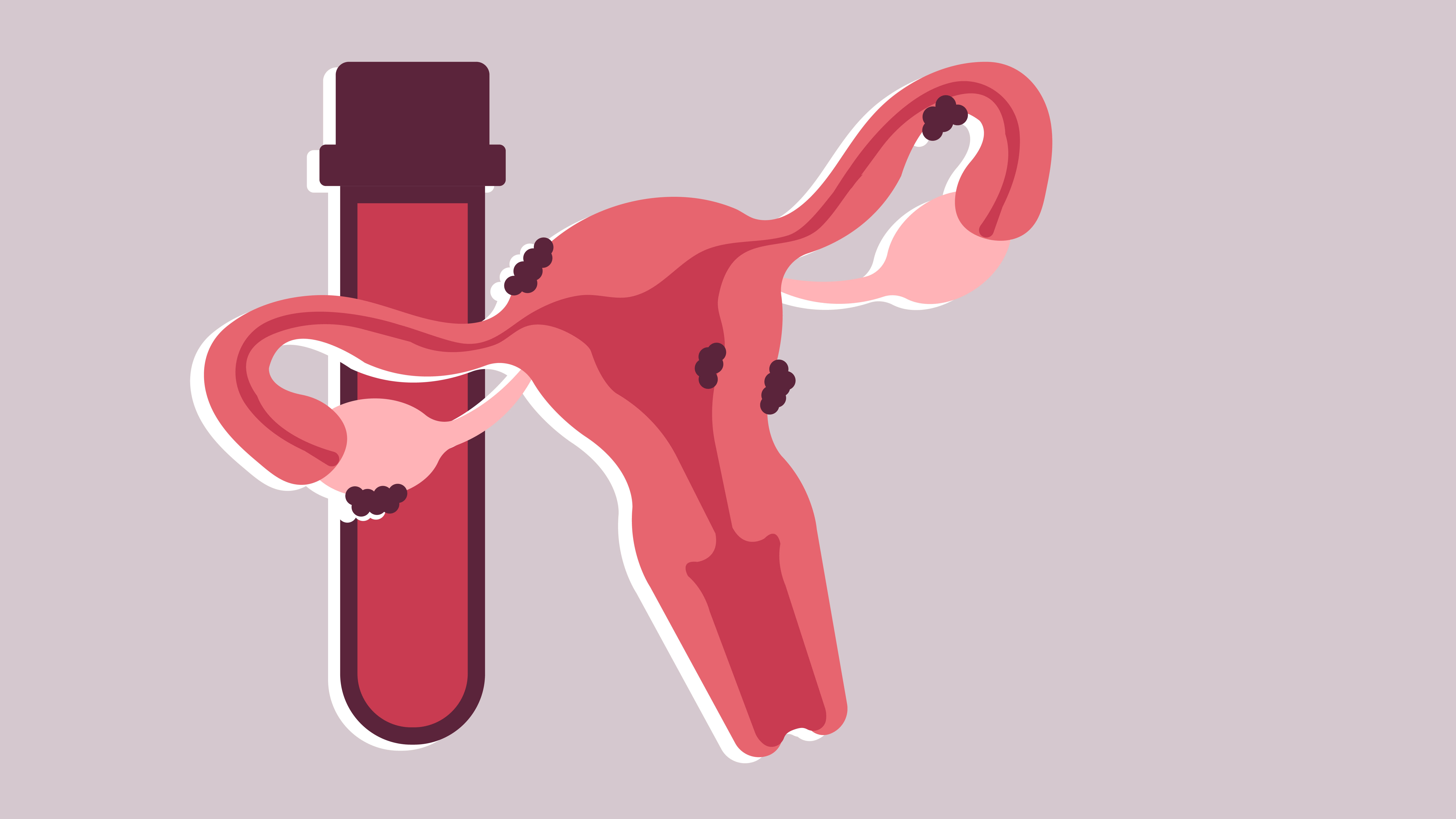
Ferroptosis in CD8+ T Cells from Iron Overload Drives Endometriosis Progression
Overview
This study demonstrates that iron overload in endometriosis lesions induces ferroptosis in CD8+ T cells, impairing their function and accelerating disease progression. Both human tissue analyses and mouse models reveal that ferroptosis diminishes CD8+ T cell cytotoxicity, suggesting a novel pathogenic mechanism and potential therapeutic target.
Background
Endometriosis (EM) is characterized by ectopic endometrial-like tissue causing chronic pain and infertility, with retrograde menstruation leading to local iron overload in lesions. Excess iron catalyzes reactive oxygen species production, triggering ferroptosis, a regulated cell death linked to various diseases. CD8+ T cells, key immune effectors in EM lesions, exhibit reduced activation and cytotoxicity, but the role of ferroptosis in these cells within EM remains unclear. This study investigates how iron overload induces ferroptosis in CD8+ T cells and its impact on EM progression.
Data Highlights
Sample Group
Number of Samples
Age Range (years)
Clinical Stage
Normal Control (Eu-NC)
31
20-49
N/A
Eutopic Endometrium (Eu-EM)
25
20-49
Stage III-IV EM
Ectopic Endometrium (Ec-EM)
32
20-49
Stage III-IV EM
Key Findings
Iron overload in EM lesions induces ferroptosis in infiltrating CD8+ T cells, leading to functional impairments.
CD8+ T cells from EM lesions show diminished activation and cytotoxicity compared to controls.
Mouse EM models confirm that depletion of CD8+ T cells increases lesion burden, while adoptive transfer reduces it.
Ferroptosis in CD8+ T cells is linked to impaired immune surveillance and accelerated EM progression.
Interventions targeting ferroptosis pathways may restore CD8+ T cell function and mitigate EM severity.
Clinical Implications
Recognizing ferroptosis as a mechanism of CD8+ T cell dysfunction in EM highlights the potential for therapies aimed at modulating iron overload or ferroptosis pathways. Such interventions could enhance immune-mediated lesion clearance, reduce disease progression, and improve patient outcomes. Monitoring iron levels and CD8+ T cell status may inform personalized treatment strategies.
Conclusion
Iron overload-induced ferroptosis in CD8+ T cells compromises their protective immune functions, thereby accelerating endometriosis progression. Targeting ferroptosis represents a promising avenue for therapeutic intervention in EM.
Related Resources & Content
Zhao et al. 2024 -- Ferroptosis Induced by Iron Overload in CD8+ T Cells Causes Functional Impairments That Accelerate Endometriosis Progression
A VHA study across 11 vendors finds AI-generated primary care notes score lower than clinician-written notes, with the largest deficits in thoroughness, organization, and usefulness