The lactate–lactylation axis in tumor radioresistance: metabolic, epigenetic, and immune mechanisms with emerging links to RNA regulation - Report - MDSpire
Advertisement
The lactate–lactylation axis in tumor radioresistance: metabolic, epigenetic, and immune mechanisms with emerging links to RNA regulation
Clinical Report: The Role of the Lactate-Lactylation Pathway in Tumor Resistance to Radiation
Overview
This review explores the lactate-lactylation pathway's role in tumor radioresistance, highlighting metabolic, epigenetic, and immune mechanisms.
Background
Radiotherapy is a key treatment for solid tumors, yet its effectiveness is often hampered by radioresistance, leading to poor outcomes. Recent research has shifted focus to metabolic adaptations, particularly lactate metabolism, as significant contributors to this resistance.
Data Highlights
No specific numerical data or trial results were provided in the source material.
Key Findings
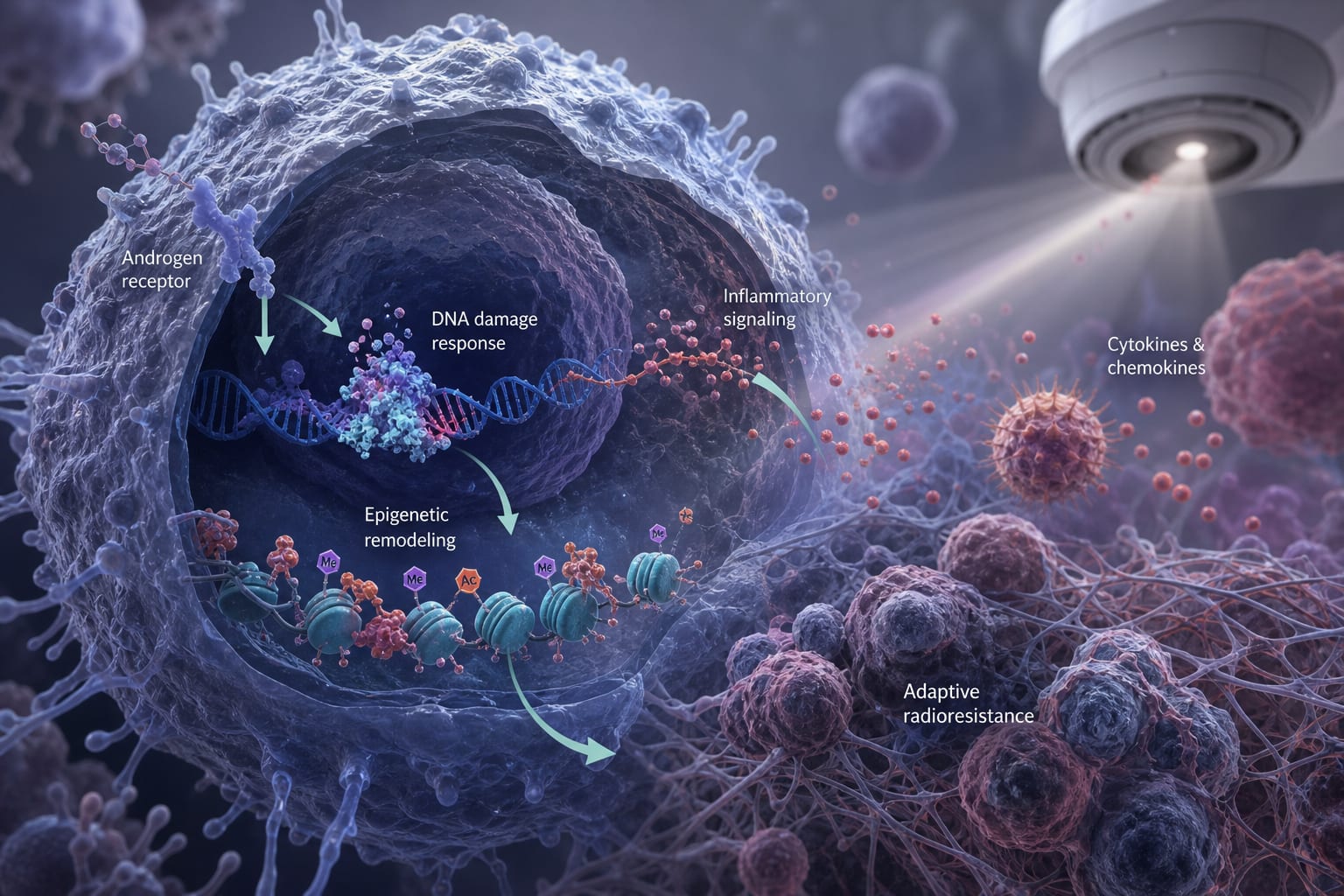
Lactate metabolism is linked to DNA damage repair and redox buffering in irradiated tumors.
Protein lactylation is an emerging epigenetic modification that may influence chromatin accessibility and stress-responsive transcription.
Immune suppression in the tumor microenvironment is associated with lactate accumulation.
RNA-level regulation mechanisms related to lactate and lactylation are still under investigation and not fully validated in radiotherapy contexts.
Therapeutic strategies targeting the lactate-lactylation axis include MCT and LDH inhibitors, oxidative phosphorylation blockade, and lactate-depleting nanoplatforms.
Clinical Implications
Understanding the lactate-lactylation pathway may inform the development of novel therapeutic strategies to overcome radioresistance in solid tumors. Targeting metabolic and epigenetic mechanisms could enhance the effectiveness of radiotherapy.
Conclusion
The lactate-lactylation pathway represents a complex interplay of metabolic, epigenetic, and immune factors that contribute to tumor radioresistance.