Clinical Report: Long-Term Glycemic Improvement Following Surgical Removal of Olfactory Groove Meningiomas
Overview
This study investigates the postoperative glycemic outcomes in patients with olfactory groove meningiomas (OGMs) and diabetes. Significant reductions in hemoglobin A1c (HbA1c) levels were observed following surgical resection, indicating durable metabolic improvements.
Background
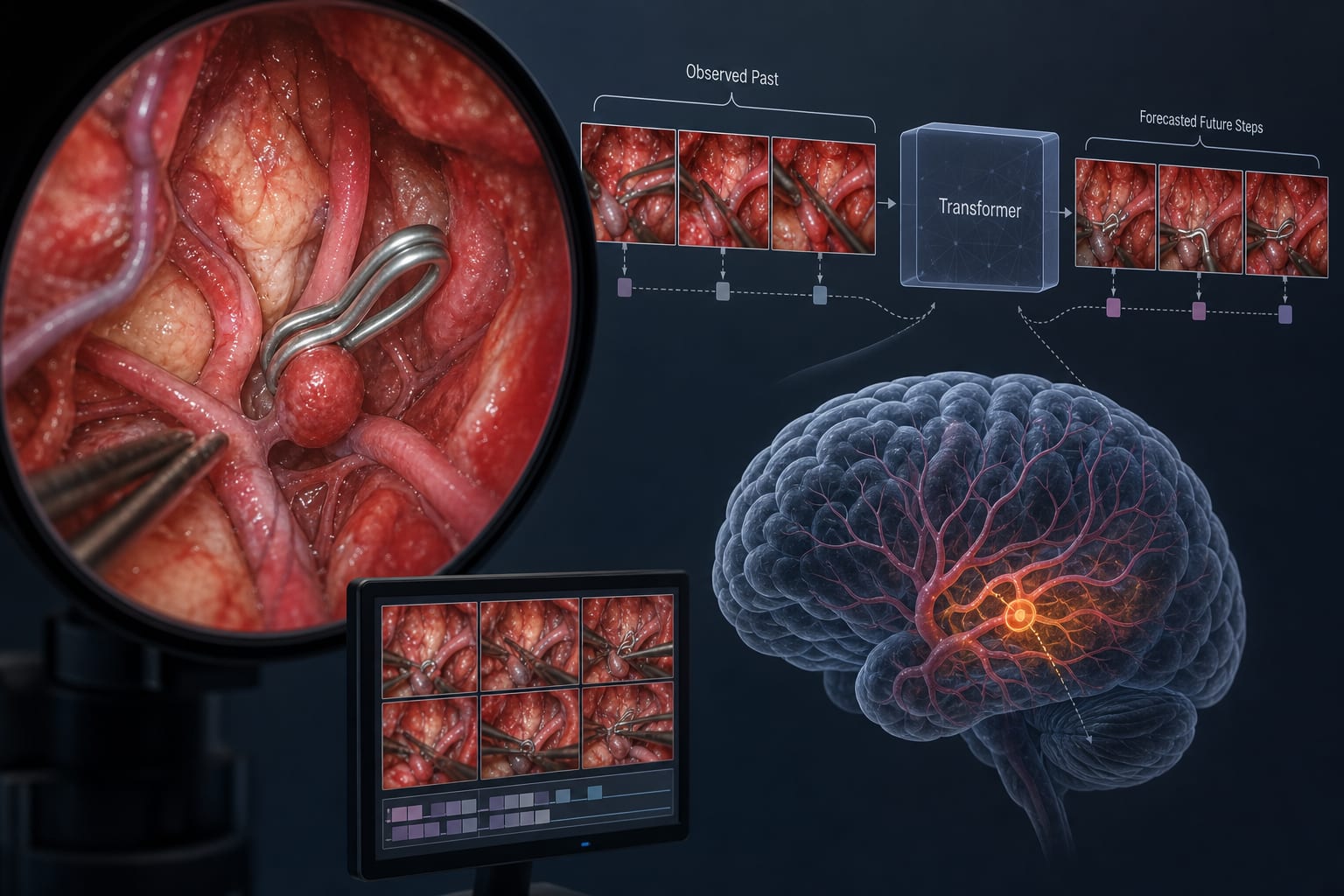
Olfactory groove meningiomas (OGMs) are anterior skull base tumors that can lead to various neurological symptoms, including anosmia and visual dysfunction. The relationship between OGM resection and systemic metabolic outcomes, particularly in patients with diabetes, has not been well characterized. Understanding these outcomes is essential for optimizing postoperative care and managing comorbidities.
Data Highlights
Measure
Preoperative
Postoperative
P-value
HbA1c (%)
9.2 (2.5)
6.4 (1.1)
0.02
BMI
Mean BMI
Decreased by 5.3
0.02
Key Findings
23% of patients had preoperative diabetes.
Mean HbA1c decreased from 9.2% to 6.4% within the first 9 months post-surgery.
At the longest follow-up (median 36 months), mean HbA1c decreased from 8.7% to 6.2%.
Mean BMI decreased by 5.3, indicating weight loss postoperatively.
Metabolic improvement was observed in all but one patient, who did not have frontal lobe dysfunction.
Clinical Implications
The findings suggest that surgical resection of OGMs may lead to significant and sustained improvements in glycemic control among patients with diabetes. This highlights the importance of monitoring metabolic outcomes in patients undergoing surgery for OGMs.
Conclusion
Surgical removal of olfactory groove meningiomas is associated with notable long-term improvements in glycemic control, which may have implications for the management of patients with diabetes.
by Austin J. Leikvoll, Matthew Awad, A. Yohan Alexander, Sharath Anand, Zachary Gersey, Kolin Rubel, Neal Godse, Emiro Caicedo-Granados, Georgios Zenonos, Takako Araki, Michael Lee, Collin McClelland, Paul A. Gardner, Andrew S. Venteicher