Clinical Report: Reversing Aging Effects in Endothelial Cells Through Temporary Reprogramming Techniques
Overview
This study demonstrates that a pharmacological cocktail can induce temporary overexpression of Yamanaka factors in senescent endothelial cells, leading to functional rejuvenation and improved angiogenic capacity both in vitro and in vivo. The compounds used are FDA-approved for other indications.
Background
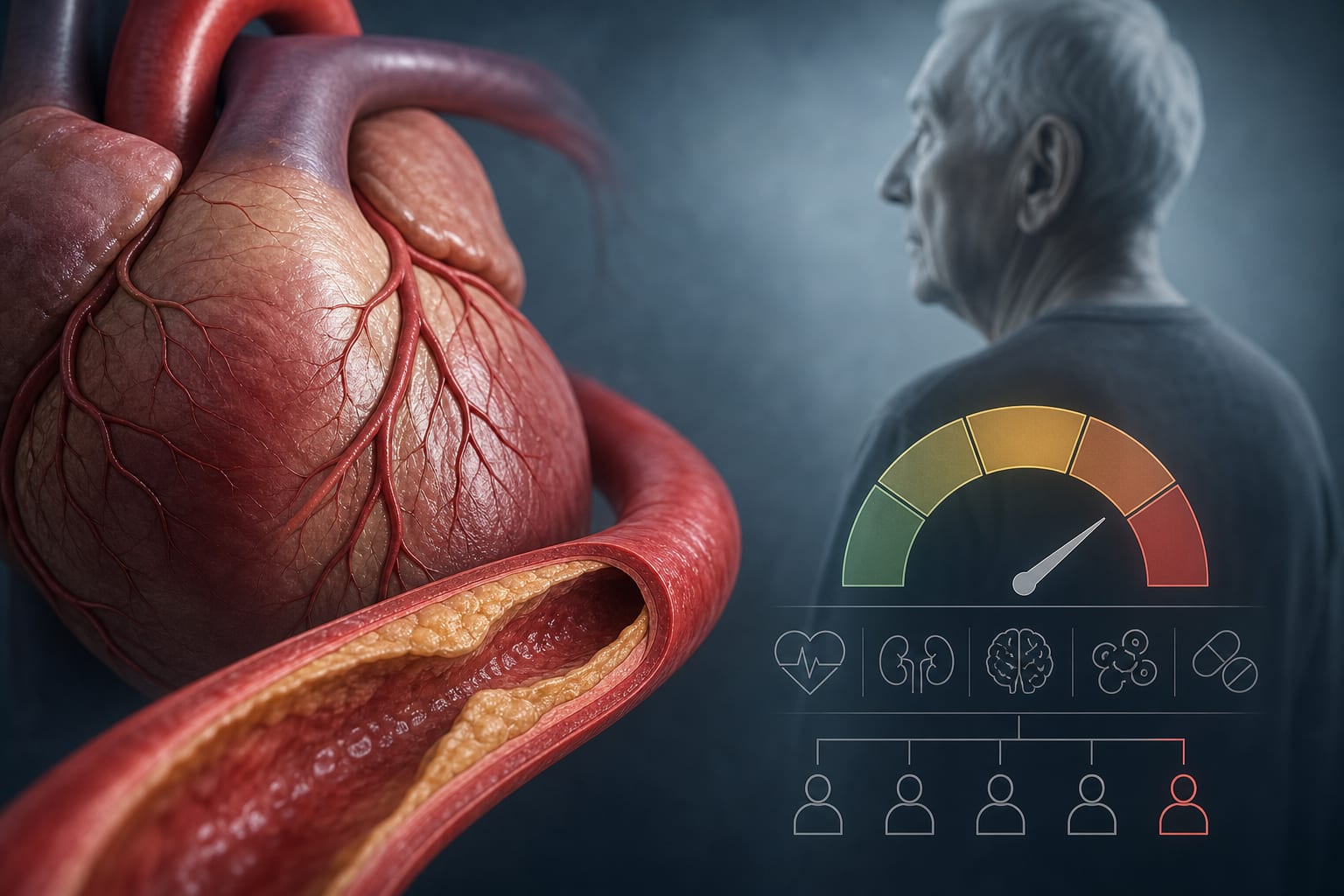
Cardiovascular diseases (CVD) remain the leading cause of death globally, with age being a significant independent risk factor. Endothelial dysfunction contributes to the development of CVD by impairing regenerative and angiogenic capacities. Strategies to restore endothelial function are critical in addressing age-associated vascular changes.
Data Highlights
No numerical or trial data provided in the source material.
Key Findings
A pharmacological cocktail can induce temporary overexpression of Yamanaka factors (OSKM) in senescent endothelial cells.
The treatment resulted in partial functional rejuvenation of endothelial cells.
Improved endothelial function and angiogenic capacity were observed both in vitro and in vivo.
The compounds used include valproic acid, lithium carbonate, and galunisertib, all FDA-approved for other uses.
This approach may offer a safer alternative to viral vector methods for cellular reprogramming.
Clinical Implications
The findings indicate that existing FDA-approved drugs can be used to enhance endothelial function in aging populations.
Conclusion
The study presents a pharmacological approach to rejuvenate senescent endothelial cells.
In a study of 50 echocardiography reports, GPT-5 mini extracted 55 cardiovascular fields from free-text echocardiography reports with 92.5% exact-match agreement with expert annotation.