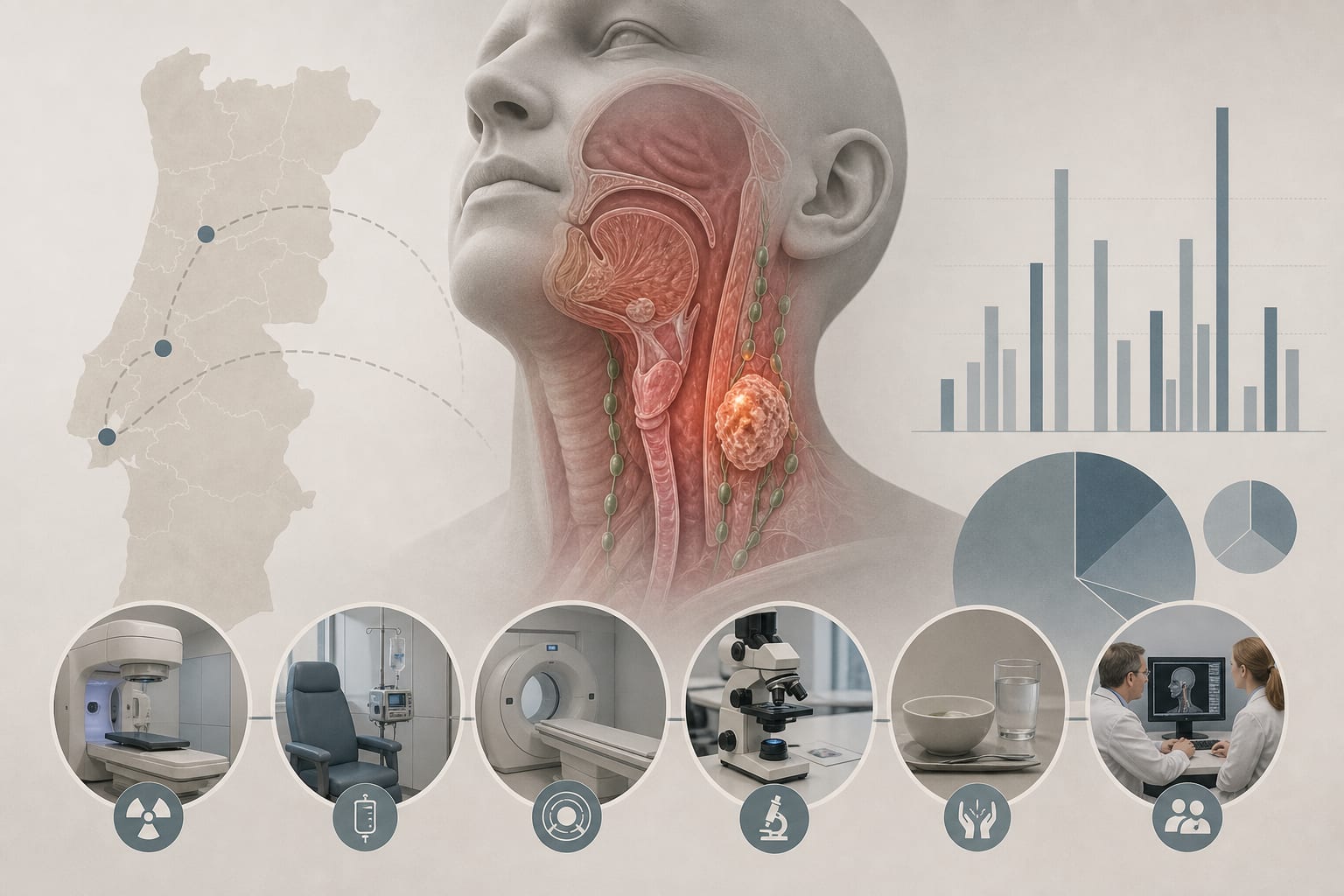
SHMT1 as a Prognostic Indicator in Laryngeal Squamous Cell Carcinoma
Overview
This study identifies SHMT1 within amino acid metabolism-related genes as a standalone prognostic marker for laryngeal squamous cell carcinoma (LSCC). Using transcriptomic data from TCGA and GEO, a prognostic risk model was developed and validated, highlighting the clinical relevance of amino acid metabolism in LSCC prognosis.
Background
Laryngeal squamous cell carcinoma (LSCC) is a common head and neck cancer subtype with a high mortality rate and frequent late-stage diagnosis. Despite multiple treatment options, the 5-year survival rate has declined, underscoring the need for novel prognostic markers and therapeutic targets. Tumor metabolic reprogramming, especially amino acid metabolism (AAM), supports tumor growth and immune evasion, making it a promising area for intervention. This study explores the prognostic significance of AAM-related genes in LSCC using large genomic datasets.
Data Highlights
Dataset
Samples
Type
TCGA
12 normal, 111 LSCC tumor
Training set
TCGA-HNSC
External validation cohort
Validation
GSE27020 (GEO)
109 LSCC tumor
Validation
REACTOME AAMRGs
373 genes
Gene set
Key Findings
Differential expression analysis identified significant amino acid metabolism-related genes (AAMRGs) between normal and LSCC tissues.
SHMT1 emerged as a key hub gene within the AAMRG network associated with LSCC prognosis.
A prognostic risk model incorporating SHMT1 and other AAMRGs stratified patients into high- and low-risk groups with significant survival differences.
Model validation in independent GEO datasets confirmed its predictive accuracy for 1-, 3-, and 5-year overall survival.
Risk score based on SHMT1 expression was an independent prognostic factor outperforming traditional clinical features.
Clinical Implications
SHMT1 expression can serve as a standalone prognostic biomarker to identify LSCC patients at higher risk of poor outcomes. Integrating SHMT1 into clinical risk models may improve patient stratification and guide personalized treatment decisions. Targeting amino acid metabolism pathways, including SHMT1, offers a potential therapeutic avenue to enhance LSCC management.
Conclusion
This study establishes SHMT1 as a novel prognostic indicator in LSCC, linking amino acid metabolism alterations to patient survival. The findings support further exploration of metabolic targets to improve prognostication and therapy in LSCC.
References
Global Cancer Statistics 2020 -- Head and Neck Cancer Mortality
Projected Mortality Rates 2025 -- Head and Neck Cancer
Epidemiology of Laryngeal Squamous Cell Carcinoma
Survival Trends in LSCC Over Decades
Metabolic Reprogramming in Tumors
Amino Acid Metabolism in Tumor Progression
Asparaginase Therapy in Leukemia
IDO1 and TDO2 Inhibitors in Cancer Immunotherapy
Glutaminolysis in Head and Neck Squamous Cell Carcinoma
Aryl Hydrocarbon Receptor and Immune Suppression in HNSCC
Impact of Amino Acid Metabolism on Tumor Immune Microenvironment
Network Analysis Tools for Functional Coupling in Genomics