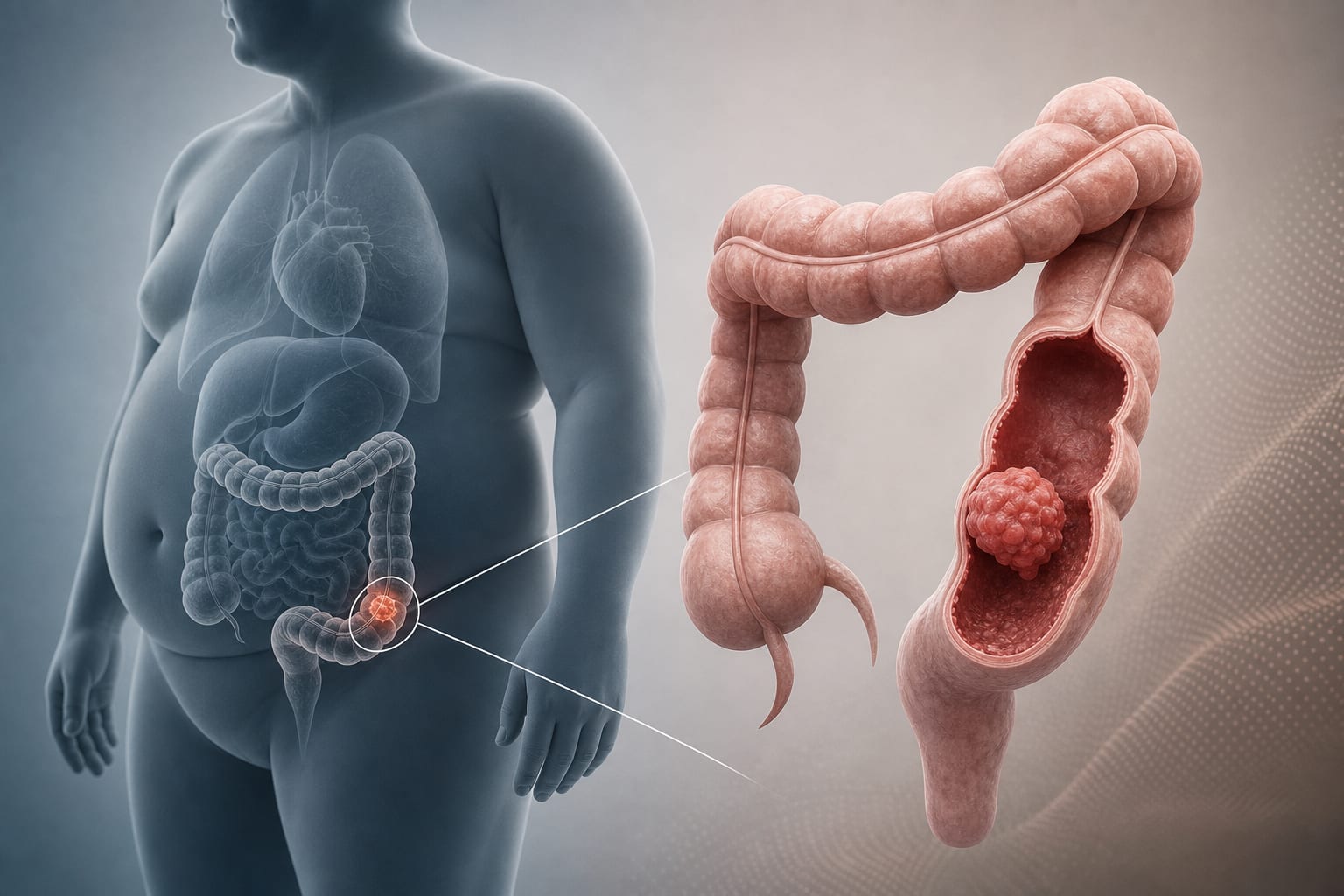
Classification of Polyp Characteristics by NICE for Colonoscopy Screening
Overview
This study proposes a deep learning framework using ResNet-101 to classify polyp features—colour, surface pattern, and vessels—according to the NICE classification during colonoscopy. By focusing on clinically interpretable features rather than direct diagnosis, the model aims to assist clinicians in differentiating adenomas from hyperplastic polyps, improving diagnostic accuracy and efficiency.
Background
Colorectal cancer is the third most common cancer globally, with colonoscopy as the gold standard for detecting precancerous polyps. Accurate classification of polyps into adenomas (cancerous) and hyperplastic (non-cancerous) types is critical for appropriate management. The NICE classification categorizes polyps based on vessels, surface pattern, and colour into three types, guiding clinical decisions. Traditional histology is accurate but costly and time-consuming, motivating on-site classification methods using Narrow-Band Imaging (NBI) and deep learning.
Data Highlights
Dataset Split
Percentage
Training
60%
Validation
10%
Testing
30%
Key Findings
The study focuses on classifying NICE features—colour, surface pattern, and vessels—using a ResNet-101 deep neural network pretrained on ImageNet.
Classification includes three mutually exclusive labels per feature: type-1 (hyperplastic), type-2 (adenoma), and an "indistinguishable" category for low-quality frames.
The model integrates diagnosis prediction during training to enhance feature classification accuracy but does not provide direct diagnosis outputs.
Data preprocessing includes resizing frames to 224×224 pixels and normalization based on ImageNet statistics.
Dataset splitting and sampling ensure balanced representation of adenomas and non-adenomas, with stratified sampling based on polyp and image quality features.
Clinical Implications
The proposed framework enables real-time, on-site classification of polyp features during colonoscopy, potentially reducing reliance on costly histological analysis. By providing clinicians with detailed NICE feature classifications, the system supports informed decision-making regarding polyp management. Incorporating an "indistinguishable" label helps manage low-quality imaging, improving robustness in clinical settings.
Conclusion
This study presents a clinically aligned deep learning approach to classify polyp characteristics according to NICE criteria, enhancing interpretability and aiding clinicians in colorectal cancer screening. The integration of multiple polyp features into a unified model represents a novel step towards practical, efficient colonoscopy diagnostics.
References
World Cancer Research Fund International -- Colorectal Cancer Statistics
NICE Classification System -- Polyp Categorization
Ribeiro et al. 2016 -- Deep Learning for Polyp Classification
The rising incidence and mortality of early-onset colorectal cancer (EOCRC), defined as disease occurring in patients younger than 50, has emerged as a clinically significant trend with implications for screening, diagnosis, and survivorship.