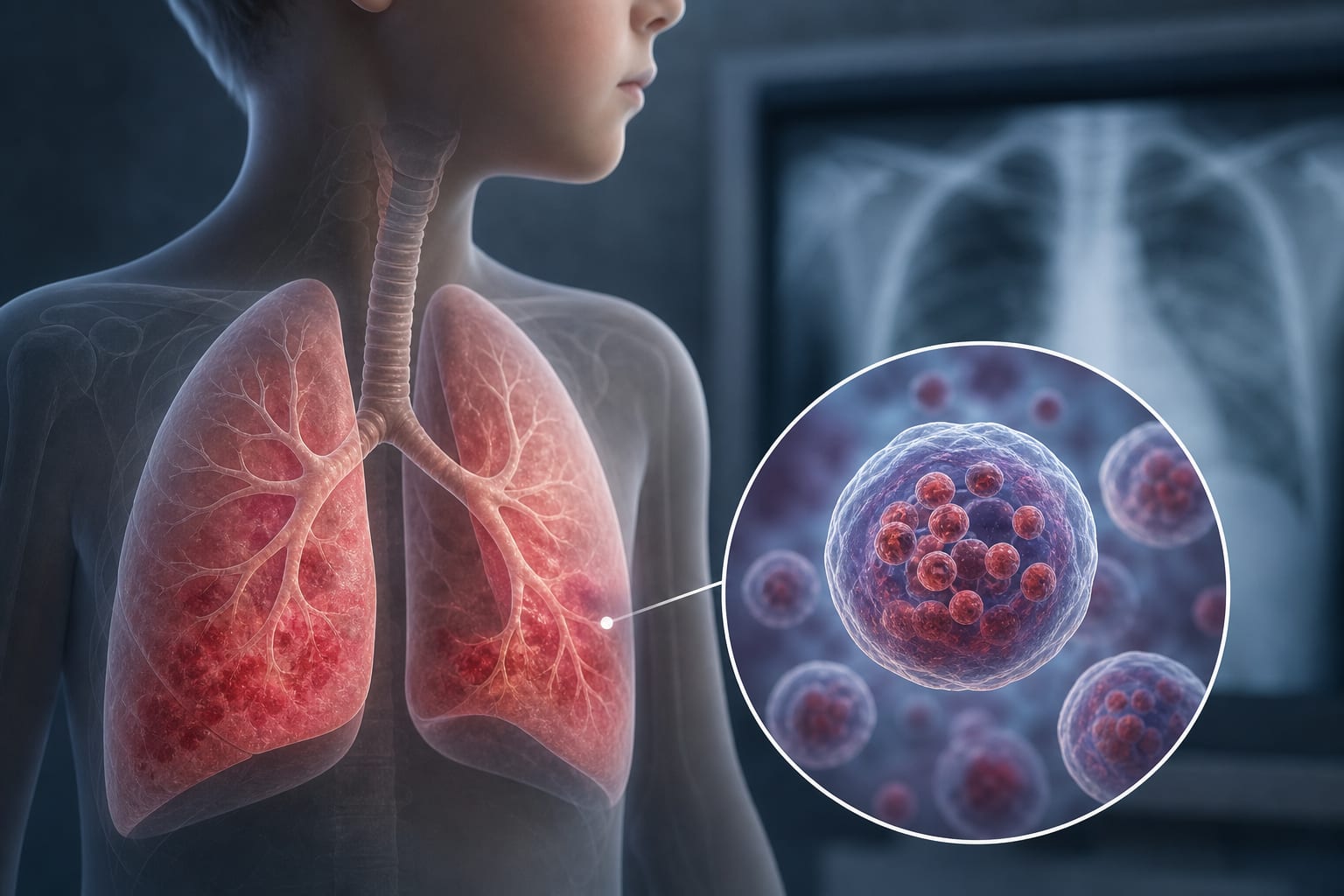
Clinical Features of Chlamydia pneumoniae Pneumonia in 145 Pediatric Patients
Overview
This study analyzes the clinical features of Chlamydia pneumoniae pneumonia in 145 children, highlighting cough as the predominant symptom and low to moderate fever as a common finding.
Background
Chlamydia pneumoniae is an atypical pathogen that can lead to respiratory diseases in children, including pneumonia. Its clinical manifestations often overlap with other respiratory infections, making diagnosis challenging.
Data Highlights
Characteristic
Value
Median Age at Onset
11 years
Median Disease Duration
14 days
Cough Presence
99.3%
Fever Presence
44.8%
Unilateral Lung Involvement
109 cases
Bilateral Lung Involvement
36 cases
Key Findings
Cough was present in 99.3% of cases, with wet cough in 97.2%.
Fever was observed in 44.8% of patients, primarily low to moderate grade.
The median peak temperature recorded was 38.5°C.
Unilateral lung involvement was noted in 109 cases, while bilateral involvement was seen in 36 cases.
93 children received azithromycin, and 65 received doxycycline for treatment.
Clinical Implications
Recognizing the characteristic clinical features of Chlamydia pneumoniae pneumonia, such as predominant cough and low-grade fever, should be prioritized for diagnosis.
Conclusion
The study provides insights into the clinical features of Chlamydia pneumoniae pneumonia in children.