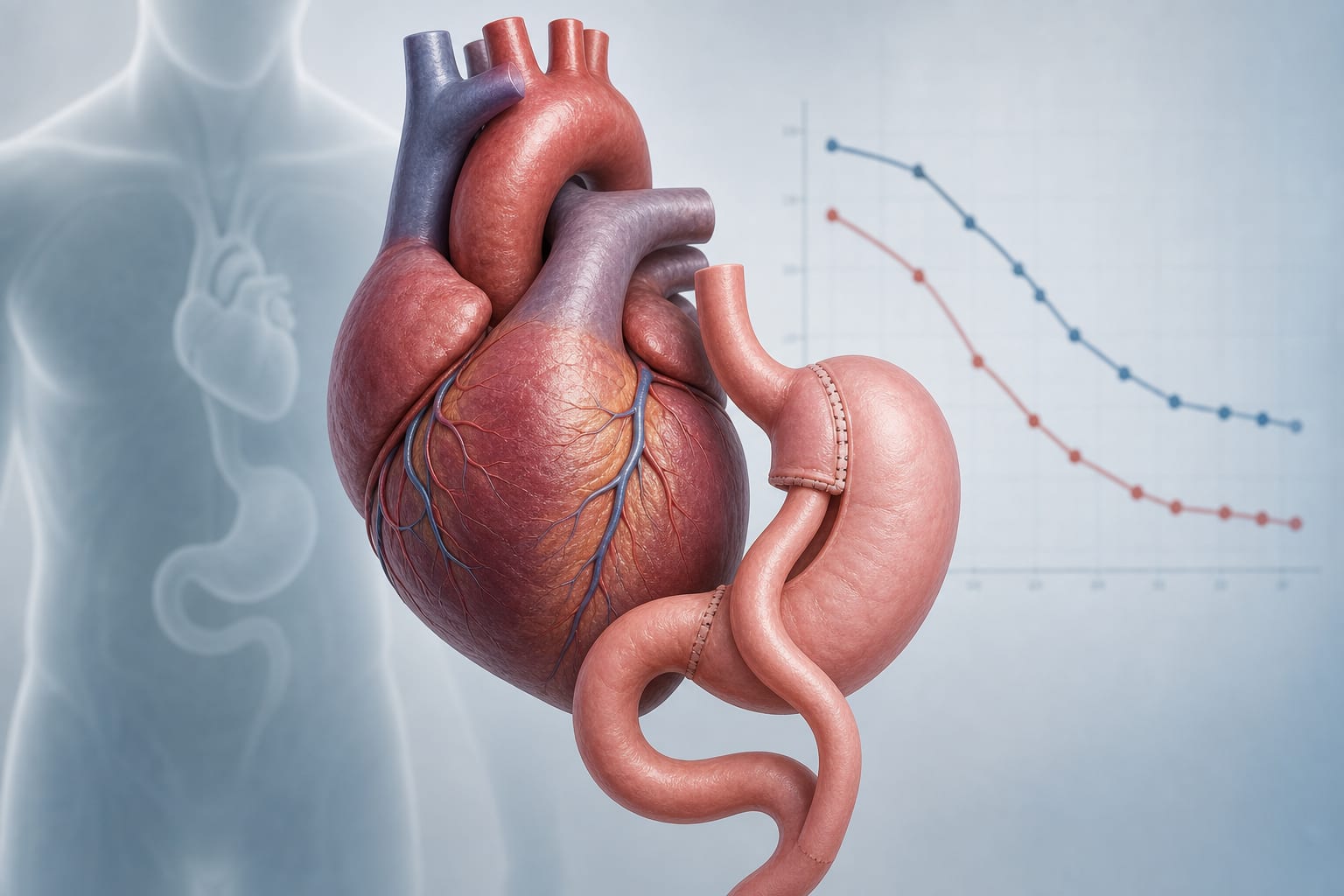
Bone Mineral Density Changes in First Year After Laparoscopic Sleeve Gastrectomy
Overview
This study evaluated bone mineral density (BMD) changes in 241 obese patients undergoing laparoscopic sleeve gastrectomy (LSG) over 12 months. Results showed significant BMD decline at most skeletal sites, with men experiencing greater bone loss than premenopausal women. The decline correlated with BMI reduction but not with excess weight loss percentage.
Background
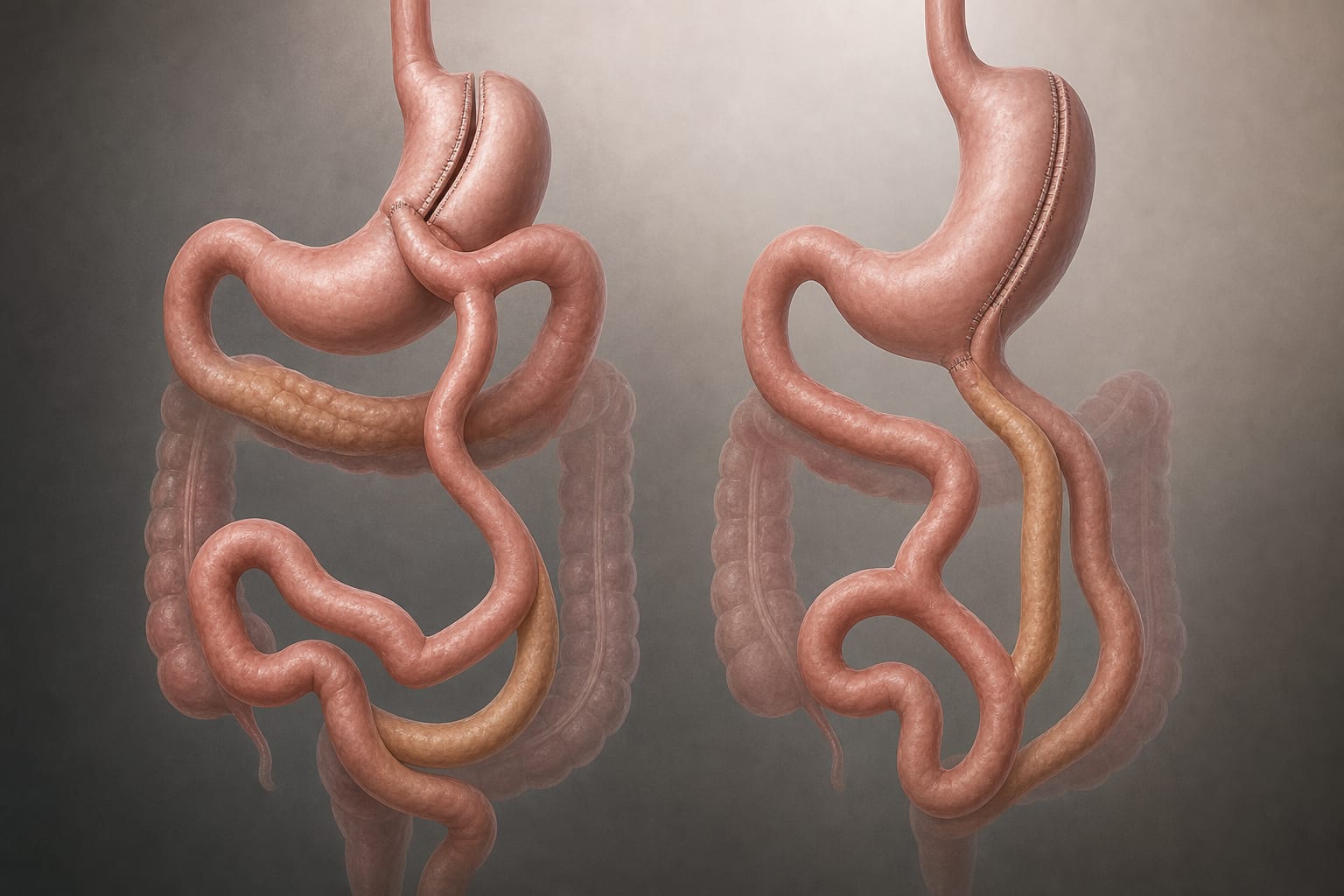
Obesity prevalence has increased globally, leading to expanded use of bariatric surgeries such as Roux-en-Y gastric bypass and laparoscopic sleeve gastrectomy (LSG). LSG is effective for weight loss and improving obesity-related conditions but may adversely affect bone health. While bone loss after Roux-en-Y gastric bypass is well documented, data on LSG's impact on bone mineral density remain limited. Dual-energy X-ray absorptiometry (DXA) is the standard method to assess BMD and fracture risk.
Data Highlights
Parameter
Baseline
6 Months
12 Months
p-value
Total BMD (g/cm2)
1.292
Not specified
1.220
<0.001
Leg BMD (g/cm2)
1.344
No decline
1.328
<0.001
Spine BMD decline (%) at 6 months
Men: 5.67%
Women: 1.01%
Not specified
Significant
Spine BMD decline (%) at 12 months
Men: 5.74%
Women: 3.16%
Not specified
Significant
BMD decline correlation with BMI decline
r=0.134
p<0.05
Key Findings
Total BMD significantly decreased 12 months after LSG (from 1.292 to 1.220 g/cm2, p<0.001).
BMD declined at nearly all skeletal sites except the legs at 6 months, which showed decline only at 12 months.
Men experienced greater BMD loss than premenopausal women at almost all sites, including spine (5.74% vs 3.16% loss at 12 months).
After adjusting for age and BMI change, men had a significantly greater total BMD decline than premenopausal women (mean difference 2.37%, p<0.05).
BMD decline correlated positively with BMI reduction (r=0.134, p<0.05) but not with excess weight loss percentage.
BMD loss patterns differed by gender and menopausal status, with men losing more bone in the first 6 months post-LSG.
Clinical Implications
Clinicians should monitor bone health in patients undergoing LSG, especially men who are at higher risk of accelerated bone loss. Early identification of bone density decline may prompt interventions such as nutritional optimization and bone-protective strategies. Regular DXA assessments could be considered to guide management during the first postoperative year.
Conclusion
Laparoscopic sleeve gastrectomy leads to significant bone mineral density loss within the first year, with men experiencing more pronounced declines than premenopausal women. These findings underscore the importance of bone health monitoring following LSG.
References
Various Authors/Study Source/2024 -- Changes in Bone Mineral Density During the Initial Year Following Laparoscopic Sleeve Gastrectomy