Ligature-induced periodontitis in mice potentially accelerates CD4+ T-cell senescence and exacerbates rheumatoid arthritis - Report - MDSpire

Ligature-induced periodontitis in mice potentially accelerates CD4+ T-cell senescence and exacerbates rheumatoid arthritis

  • By

  • Jinfeng Li

  • Terukazu Sanui

  • Miyu Shida

  • Karen Yotsumoto

  • Mwannes Ahmad

  • Ziyu Wang

  • Meng Xiao

  • Chikako Hayashi

  • Takanori Shinjo

  • Takaharu Taketomi

  • Takao Fukuda

  • Fusanori Nishimura

  • May 26, 2026

  • 0 min

Share

Clinical Report: Periodontitis Induced by Ligature in Mice May Accelerate CD4+ T-Cell Aging

Overview

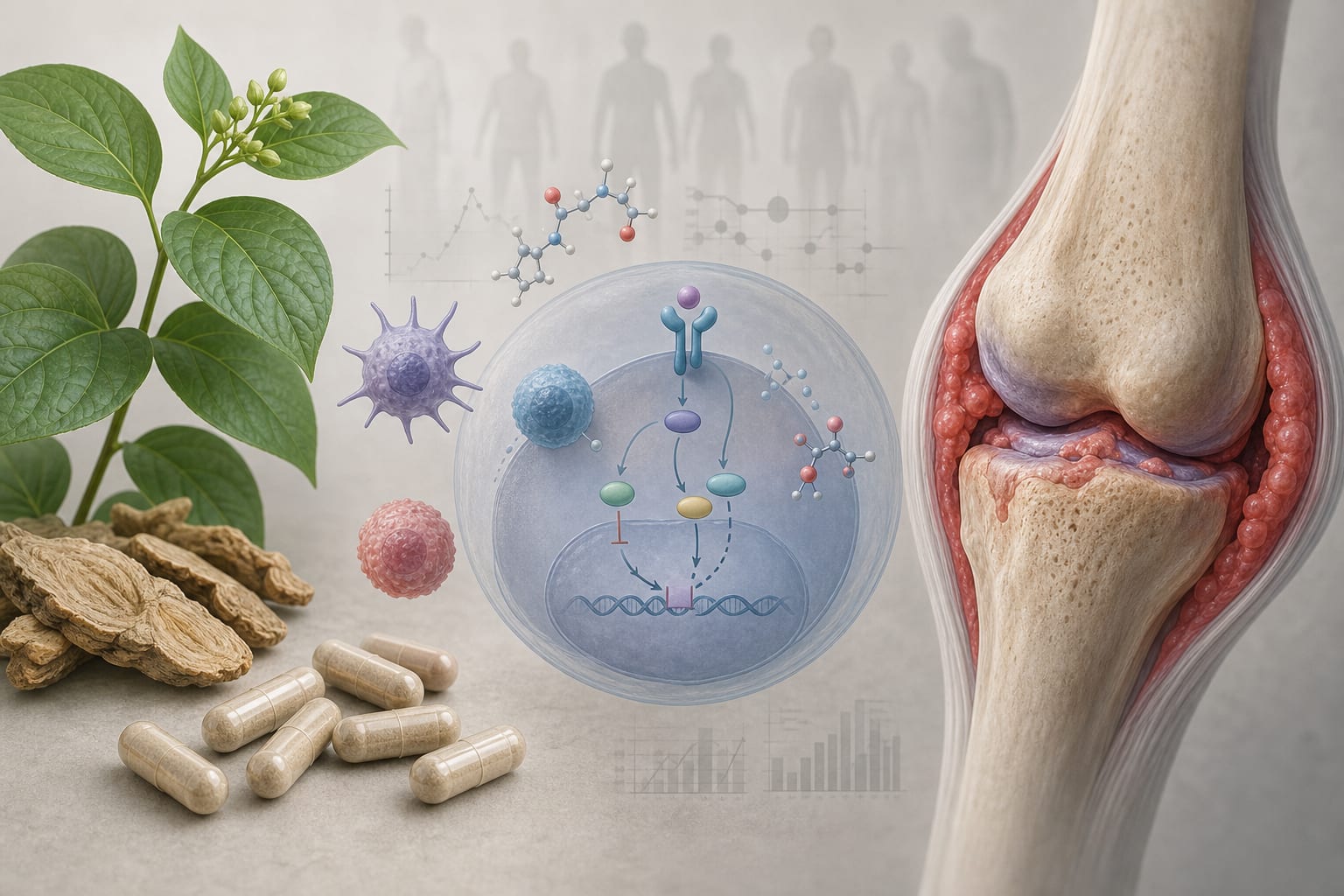
This study demonstrates that experimental periodontitis in mice accelerates CD4+ T-cell senescence, which may exacerbate rheumatoid arthritis (RA). The findings suggest a novel mechanism linking periodontal disease to systemic inflammatory conditions.

Background

Immunosenescence, characterized by aging-related declines in immune function, is associated with increased chronic inflammation and autoimmune diseases such as rheumatoid arthritis. Periodontitis, a common chronic inflammatory condition, has been implicated in the exacerbation of systemic diseases, yet the underlying mechanisms remain poorly understood. Understanding the relationship between periodontitis and T-cell senescence could provide insights into new therapeutic approaches for managing RA.

Data Highlights

{'SA β-gal-positive Cells': 'Increased prevalence (exact percentage needed)', 'Cells in S Phase': 'Reduced proportion (exact percentage needed)'}

Key Findings

  • Periodontitis accelerates CD4+ T-cell senescence in mice.
  • In vitro stimulation of T cells from LIP mice shows increased PD-1+CD153+ expression.
  • Elevated levels of SASP cytokines were observed in the LIP group.
  • Adoptive transfer of senescent T cells from LIP mice exacerbated collagen antibody-induced arthritis.
  • RNA-seq analysis revealed numerous differentially expressed genes related to senescence in unstimulated T cells from the LIP group.

Clinical Implications

These findings highlight the potential role of periodontal disease in accelerating T-cell aging, which may worsen conditions like rheumatoid arthritis. Clinicians should consider the management of periodontal health as part of comprehensive care for patients with autoimmune diseases.

Conclusion

The study provides evidence that periodontitis may induce a senescence-primed state in CD4+ T cells, linking oral health to systemic inflammatory diseases. Further research is warranted to explore therapeutic interventions targeting periodontal disease in the context of autoimmune conditions.

Related Resources & Content

  1. EULAR recommendations for the management of rheumatoid arthritis with synthetic and biologic disease-modifying antirheumatic drugs: 2025 update - PubMed
  2. Assessing the efficacy of nonsurgical periodontal treatment on rheumatoid arthritis: an umbrella review - PubMed
  3. Basic Research in Cardiology — Inflammatory Signaling Pathways Involving the CD40–CD40L–TRAF Cascade in Diabetes and Hypertension: Findings from Animal and Human Research
  4. Basic Research in Cardiology — Reduced Levels of Nucleotide-binding Oligomerization Domain Proteins 1 and 2 Impair Atherosclerosis Development
  5. Clinical Rheumatology — Taxol reduces collagen-induced arthritis in murine models by suppressing microvessel development
  6. Journal of Crohn's and Colitis — Loss of Epithelium RAD50 Exacerbates Ulcerative Colitis through IL-6-Driven JAK1/2-STAT3 Pathway and Facilitates Colitis-Associated Cancer Development in Murine Models
  7. EULAR recommendations for the management of rheumatoid arthritis with synthetic and biologic disease-modifying antirheumatic drugs: 2025 update - PubMed
  8. Assessing the efficacy of nonsurgical periodontal treatment on rheumatoid arthritis: an umbrella review - PubMed
  9. Accelerated T-cell senescence and persistent inflammation in older adults with rheumatoid arthritis - ScienceDirect

Original Source(s)

Related Content