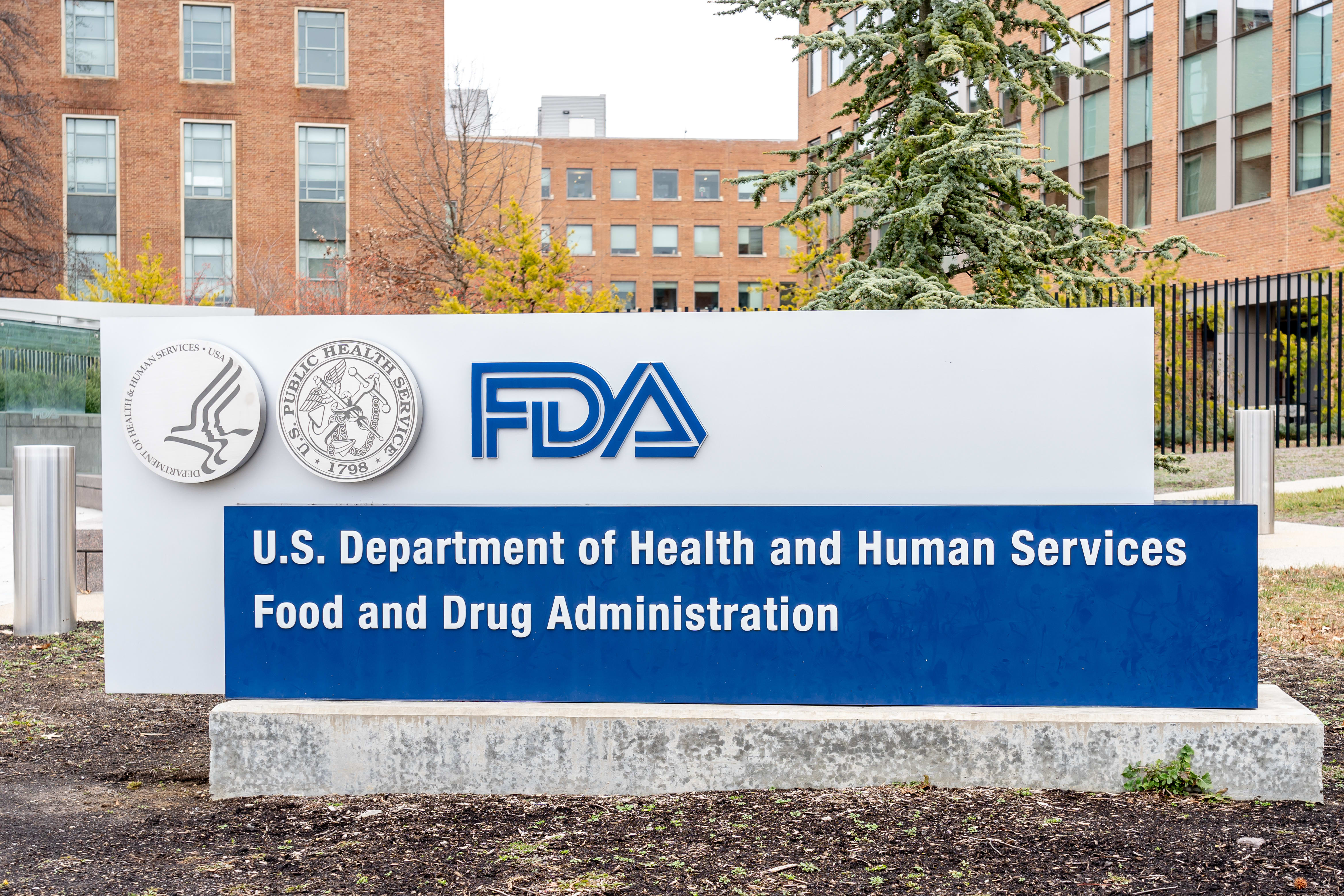
FDA Approves First Generic Versions of FARXIGA - Report - MDSpire
Advertisement
FDA Approves First Generic Versions of FARXIGA
Agency approves multiple dapagliflozin generics to reduce heart failure hospitalization risk and improve glycemic control in adults with type 2 diabetes
Clinical Report: FDA Approves First Generic Versions of FARXIGA
Overview
The FDA has approved the first generic versions of FARXIGA (dapagliflozin) for adults with type 2 diabetes, aimed at reducing hospitalization risk for heart failure and improving glycemic control. These generics carry the same prescribing information as the branded product, including contraindications and safety warnings.
Background
The approval of generic dapagliflozin is significant as it provides a more affordable treatment option for the large population of adults with type 2 diabetes, which affects over 40 million Americans. Dapagliflozin, an SGLT2 inhibitor, plays a crucial role in managing diabetes and associated cardiovascular risks. The availability of generics may enhance access to effective therapies for patients at risk of heart failure.
Data Highlights
No numerical data provided in the source material.
Key Findings
The FDA approved multiple generic versions of dapagliflozin tablets.
Dapagliflozin is indicated for reducing the risk of hospitalization for heart failure in adults with type 2 diabetes and cardiovascular risk factors.
Common adverse events include female genital mycotic infections, nasopharyngitis, and urinary tract infections.
Use is contraindicated in patients with a history of serious hypersensitivity reactions to dapagliflozin.
Healthcare providers should consult the Orange Book for details on approved products and prescribing information.
Clinical Implications
Healthcare providers should consider prescribing generic dapagliflozin to improve patient access to essential diabetes management and heart failure prevention therapies. It is important to review the specific product labeling to ensure appropriate use and to monitor for potential adverse effects.
Conclusion
The approval of generic dapagliflozin represents a significant advancement in diabetes care, potentially improving treatment accessibility for millions of patients. Ongoing monitoring of safety and efficacy will be essential as these generics enter the market.
In a target-trial emulation of more than 600,000 veterans, GLP-1 RA initiators saw fewer new substance use disorders—and patients with existing SUDs had fewer overdoses, hospitalizations, and deaths.