Clinical Report: Deep Learning Techniques Utilizing Imaging for Cataract Diagnosis
Overview
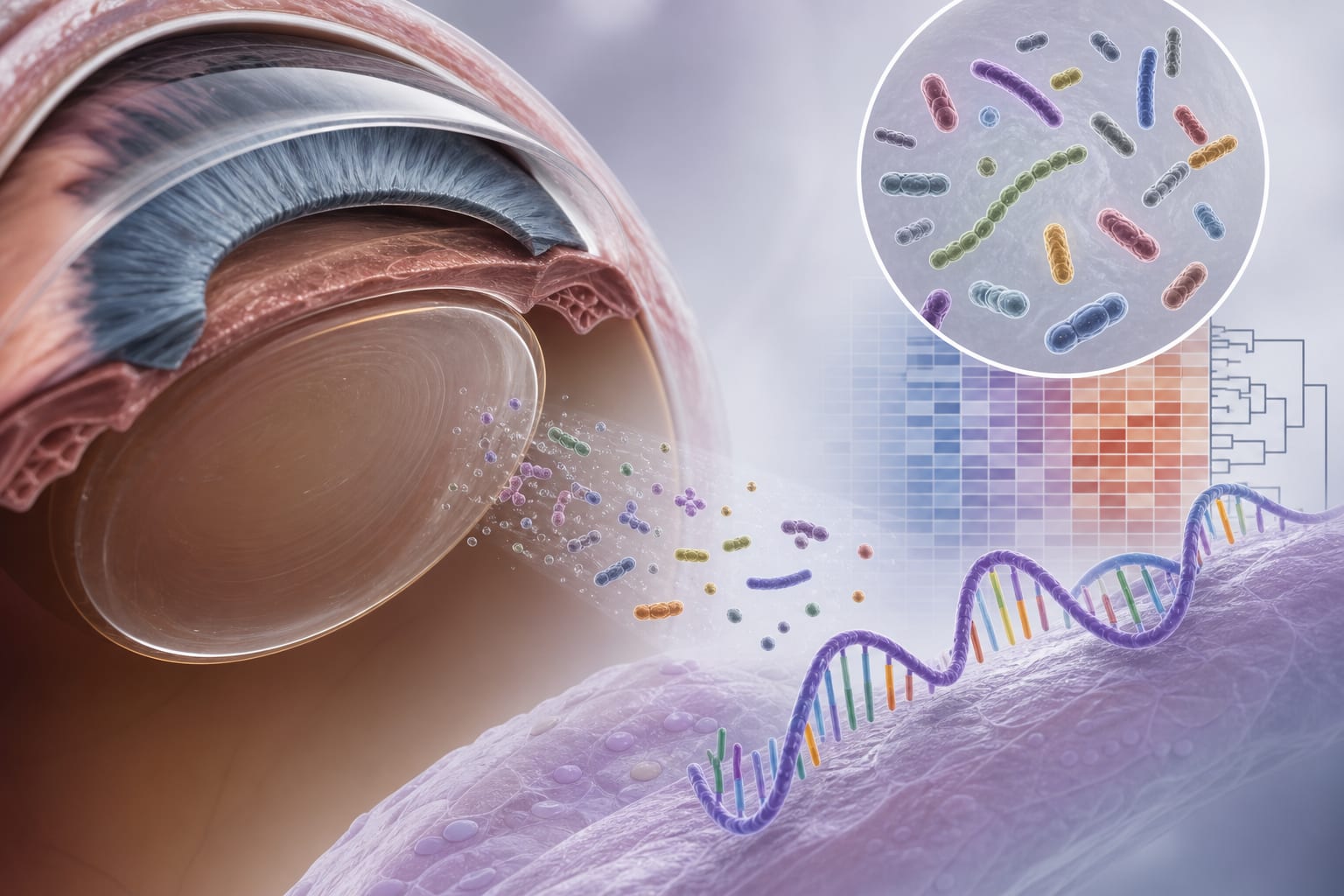
This comprehensive review and meta-analysis explore the application of deep learning techniques in diagnosing cataracts, highlighting their potential to enhance diagnostic accuracy and efficiency. The findings indicate that deep learning models can significantly improve early detection and classification of cataracts, particularly in low-resource settings.
Background
Cataracts are a leading cause of visual impairment globally, particularly affecting older populations and those in low- and middle-income countries. Traditional diagnostic methods are often subjective and resource-intensive, creating barriers to early detection and treatment. The integration of deep learning in ophthalmic imaging presents an opportunity to address these challenges by improving diagnostic capabilities and accessibility.
Data Highlights
No specific numerical data provided in the article.
Key Findings
Deep learning models can process complex imaging data to enhance cataract diagnosis.
Convolutional neural networks (CNNs) show superior performance in image classification for cataracts.
Multimodal image analysis using deep learning can lead to more accurate diagnoses.
Current deep learning models face challenges such as data bias and lack of clinical validation.
Recent studies report high accuracy rates for deep learning classifiers in cataract detection.
Clinical Implications
Healthcare professionals should consider the potential of deep learning technologies to improve cataract screening and diagnosis, particularly in underserved areas. Ongoing validation and adaptation of these models to local contexts will be essential for their successful implementation in clinical practice.
Conclusion
Deep learning techniques represent a promising advancement in the diagnosis of cataracts, with the potential to improve patient outcomes through enhanced detection and classification. Continued research and validation are necessary to fully integrate these technologies into routine clinical practice.
The key is execution, understanding the clinical landscape, controlling device cost, engineering the intraoperative workflow, and scheduling/staffing with intention.