Clinical Report: Metabolic Reprogramming of Macrophages in Acute Lung Injury
Overview
This report discusses the metabolic reprogramming of macrophages in sepsis-associated acute lung injury (S-ALI), highlighting their role in inflammation and repair. The findings emphasize the dynamic shifts in macrophage metabolism during S-ALI and the potential therapeutic approaches to modulate these processes.
Background
Sepsis-associated acute lung injury is a critical condition that significantly contributes to mortality and morbidity in affected patients. Macrophages play a central role in the immune response and tissue repair, with their function heavily influenced by metabolic pathways. Understanding the metabolic reprogramming of macrophages is essential for developing targeted therapies to improve outcomes in S-ALI.
Data Highlights
No specific numerical data or trial results were provided in the source material.
Key Findings
Macrophages exhibit a spectrum of activation states beyond the traditional M1/M2 classification.
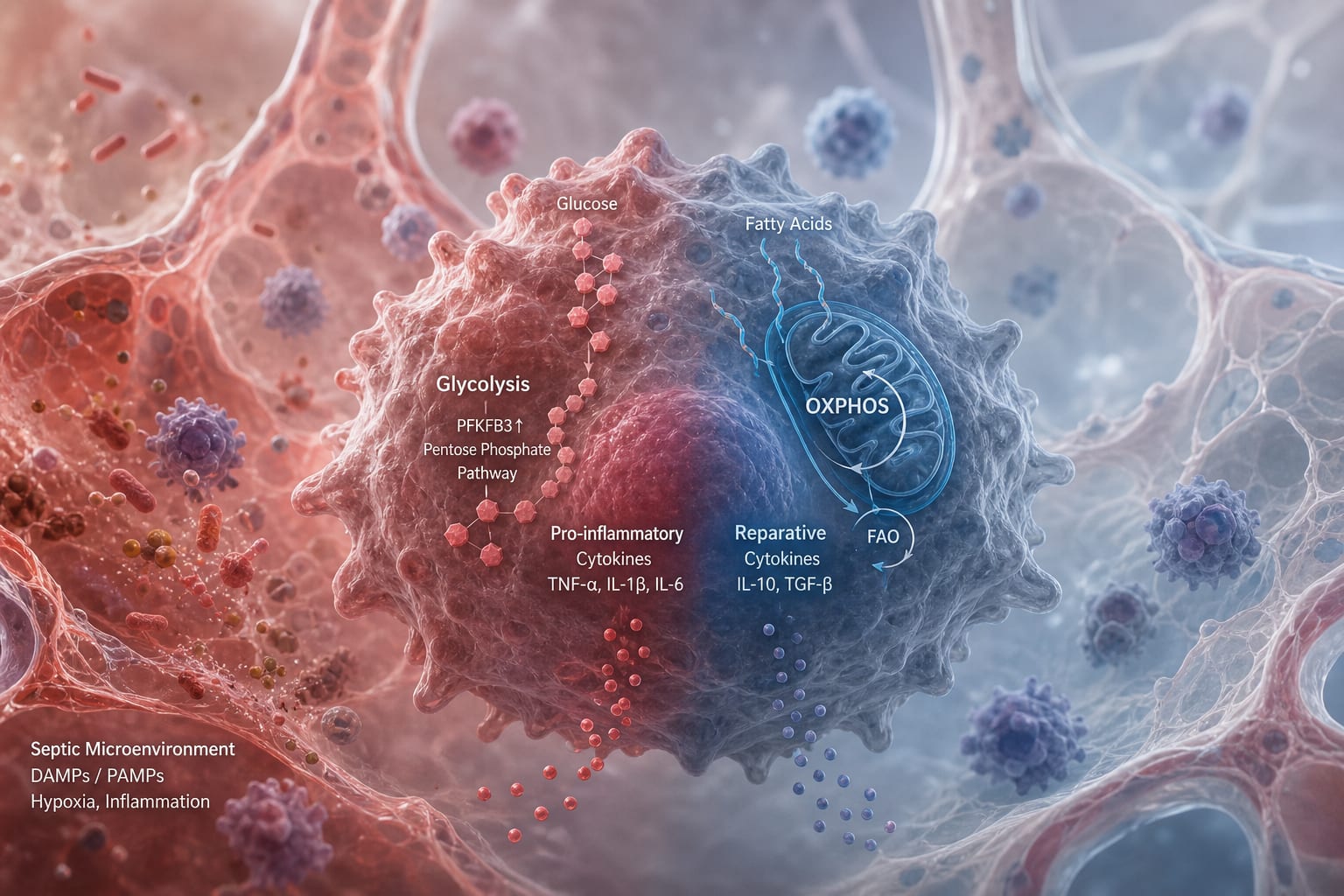
Pro-inflammatory macrophages primarily utilize aerobic glycolysis, while reparative macrophages rely on oxidative phosphorylation and fatty acid oxidation.
Key metabolic enzymes and intermediates, such as PFKFB3, PKM2, and succinate, are critical in regulating macrophage inflammatory responses.
The metabolic landscape of macrophages changes dynamically during S-ALI, with an early phase characterized by heightened glycolysis and a later phase marked by impaired oxidative phosphorylation.
Innovative therapeutic strategies, including aerosolized CRISPR/Cas9 and engineered exosomes, show promise in reprogramming macrophage metabolism.
Clinical Implications
Clinicians should consider the metabolic state of macrophages when managing patients with sepsis-associated acute lung injury. Targeting metabolic pathways may offer new therapeutic avenues to restore immune function and improve patient outcomes.
Conclusion
The metabolic reprogramming of macrophages is a crucial factor in the pathophysiology of sepsis-associated acute lung injury. Future research should focus on refining therapeutic strategies that leverage these metabolic insights.