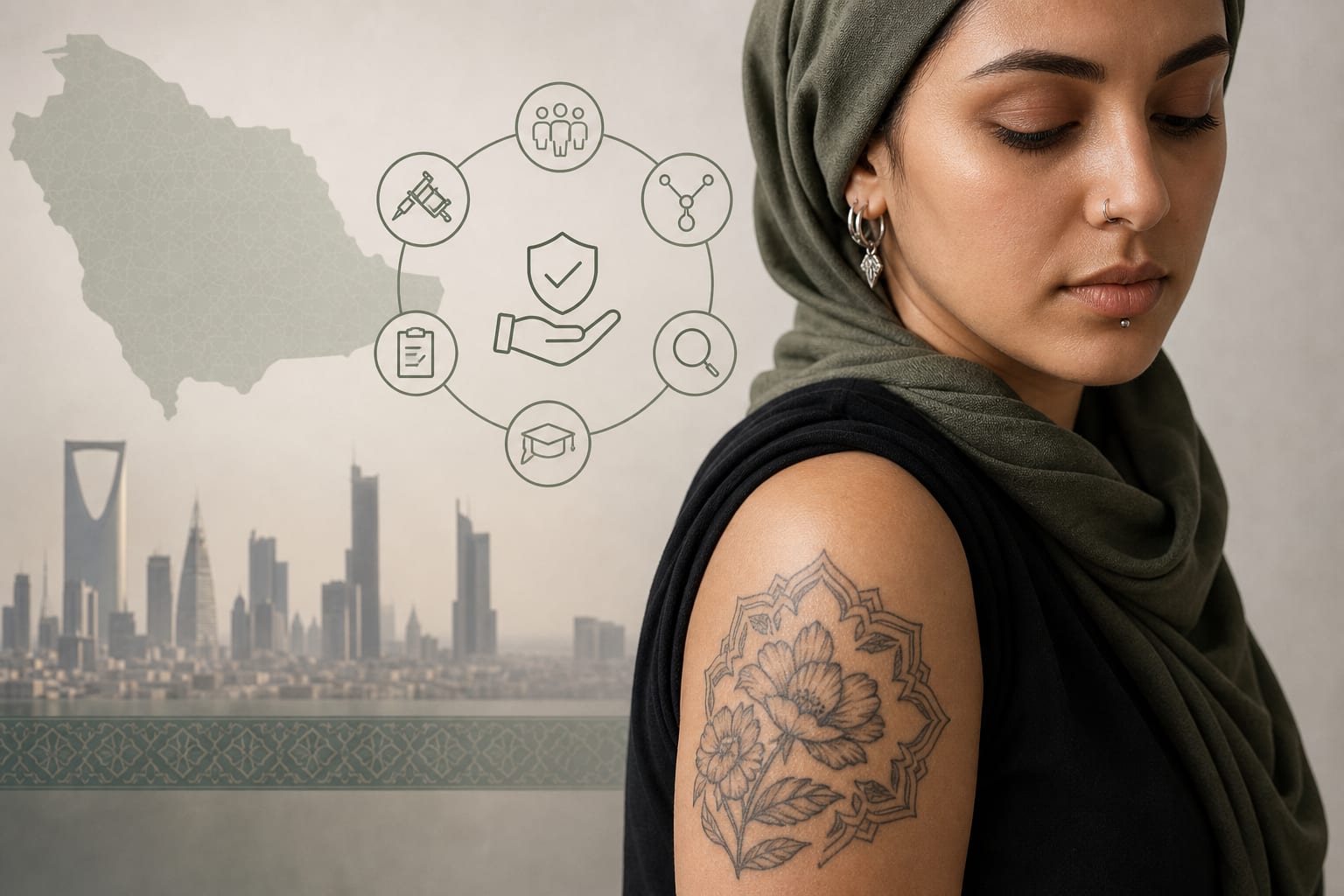
Clinical Report: Exploring Body Art Practices and Health Awareness in Saudi Arabia
Overview
This study assesses awareness and attitudes towards body art among young adults in Saudi Arabia, revealing a significant gap in understanding non-infectious health risks. While most participants recognized health risks, safety concerns regarding hygiene standards were prevalent.
Background
Body art practices, including tattooing and piercing, have gained popularity among young adults in Saudi Arabia, reflecting a shift in cultural norms influenced by globalization. Understanding the health implications associated with these practices is crucial, as improper procedures can lead to serious complications. This study addresses the need for comprehensive awareness and education regarding the risks involved in body art.
Data Highlights
Finding
Percentage
Aware of health risks
77.31%
Recognized non-infectious complications
37.37%
Doubted hygiene standards
77.45%
Ear piercings as most common
83.69%
Key Findings
77.31% of participants were aware of health risks related to body art.
Only 37.37% recognized non-infectious complications associated with body art.
77.45% expressed doubts about the hygiene standards of body art procedures.
Ear piercings were the most common form of body art reported (83.69%).
Low interest in future body art was noted among those without prior experience.
Clinical Implications
Healthcare providers should prioritize educating young adults about the health risks associated with body art, particularly non-infectious complications. Enhanced regulation and safety standards for body art procedures are essential to mitigate risks and ensure public safety.
Conclusion
The findings indicate a critical need for improved public education and regulation regarding body art practices in Saudi Arabia. Addressing the awareness gap is vital for promoting safer practices among young adults.
by Hend M. Al-Atif, Norah Saad Jadaan, Saifaleslam A. Mahmoud, Faisal S. Alyahya, Almaha H. Alshathri, Anwar Mustafa Alsaeed, Aljohara H. Alshathri, Ruba Al Murayyi, Shadan Ali Al.Atif, Ravi Shankar Reddy