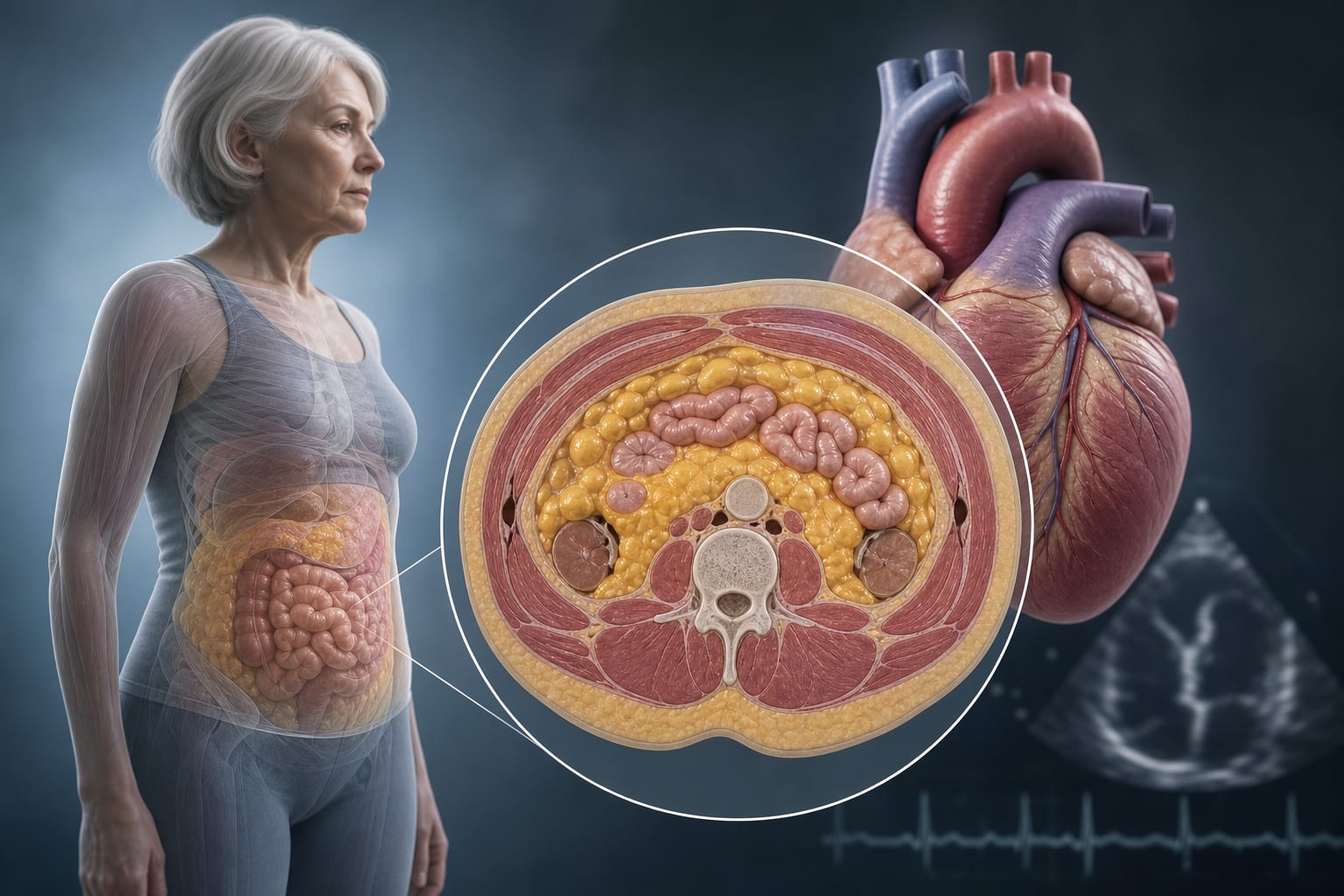
The perimenopause movement sells women the lie that they are ruled by their hormones
-
By
-
Patricia Bencivenga
-
Adriane Fugh-Berman
-
March 26, 2026
Clinical Report: The Perception of Hormonal Control in Women During Perimenopause
Overview
This report critically examines the medicalization of perimenopause and the misconceptions surrounding hormonal control in women, specifically addressing the dangers of attributing a wide range of symptoms to hormonal changes during this life stage. It emphasizes the need for a more nuanced understanding of perimenopause.
Background
Perimenopause is often misunderstood and misrepresented, leading to unnecessary medicalization and anxiety among women. The portrayal of hormonal fluctuations as the root cause of various symptoms can overshadow other significant factors such as stress and aging. Understanding perimenopause is crucial for providing appropriate care and support to women during this transitional phase, as it can influence treatment decisions and patient outcomes.
Data Highlights
No specific numerical data was provided in the source material.
Key Findings
- The film 'The M Factor 2: Before the Pause' promotes the idea that hormonal changes in perimenopause are detrimental to women's health, which may not be universally applicable.
- Historical context shows that women's health issues have often been attributed to hormonal derangement, leading to invasive treatments that may not be justified.
- NIH consensus indicates that only specific symptoms like hot flashes and vaginal dryness are clearly linked to menopause, suggesting caution in broader symptom attribution.
- Perimenopause is poorly defined, complicating the attribution of various symptoms to this stage, and may lead to misdiagnosis.
- Attributing all symptoms experienced by women to perimenopause can be misleading and potentially harmful, necessitating a more comprehensive evaluation of women's health.
Clinical Implications
Healthcare providers should be cautious in diagnosing perimenopausal symptoms and consider a broader range of factors affecting women's health, including psychological and lifestyle factors. Education on the nature of perimenopause can help mitigate unnecessary anxiety and medicalization among women, ultimately leading to better health outcomes.
Conclusion
A critical examination of the perception of hormonal control during perimenopause reveals the need for a more balanced understanding of women's health. This approach can empower women and improve their healthcare experiences by fostering informed discussions between patients and providers.
Related Resources & Content
- The Journal of Clinical Endocrinology & Metabolism, 2023 -- Insulin Levels Early in Perimenopause Inform Vasomotor Symptom Incidence Across the Menopausal Transition
- The Journal of Clinical Endocrinology & Metabolism, 2023 -- Exploring the Role of Adipose Tissue in Sex Steroid Dynamics Among Postmenopausal Women Undergoing Hormone Therapy
- The Journal of Clinical Endocrinology & Metabolism, 2023 -- The Role of Endogenous Estrogens in Brain Activity Related to Verbal Memory Encoding and Recognition in Postmenopausal Women
- Clinical Research in Cardiology, 2014 -- Impact of Estrogen and Progestin Therapy on Hemodynamics and Metabolism in Hypertensive Postmenopausal Women Undergoing ACE-Inhibitor or Diuretic Treatment
This content is an AI-generated, fully rewritten summary based on a published scholarly article. It does not reproduce the original text and is not a substitute for the original publication. Readers are encouraged to consult the source for full context, data, and methodology.