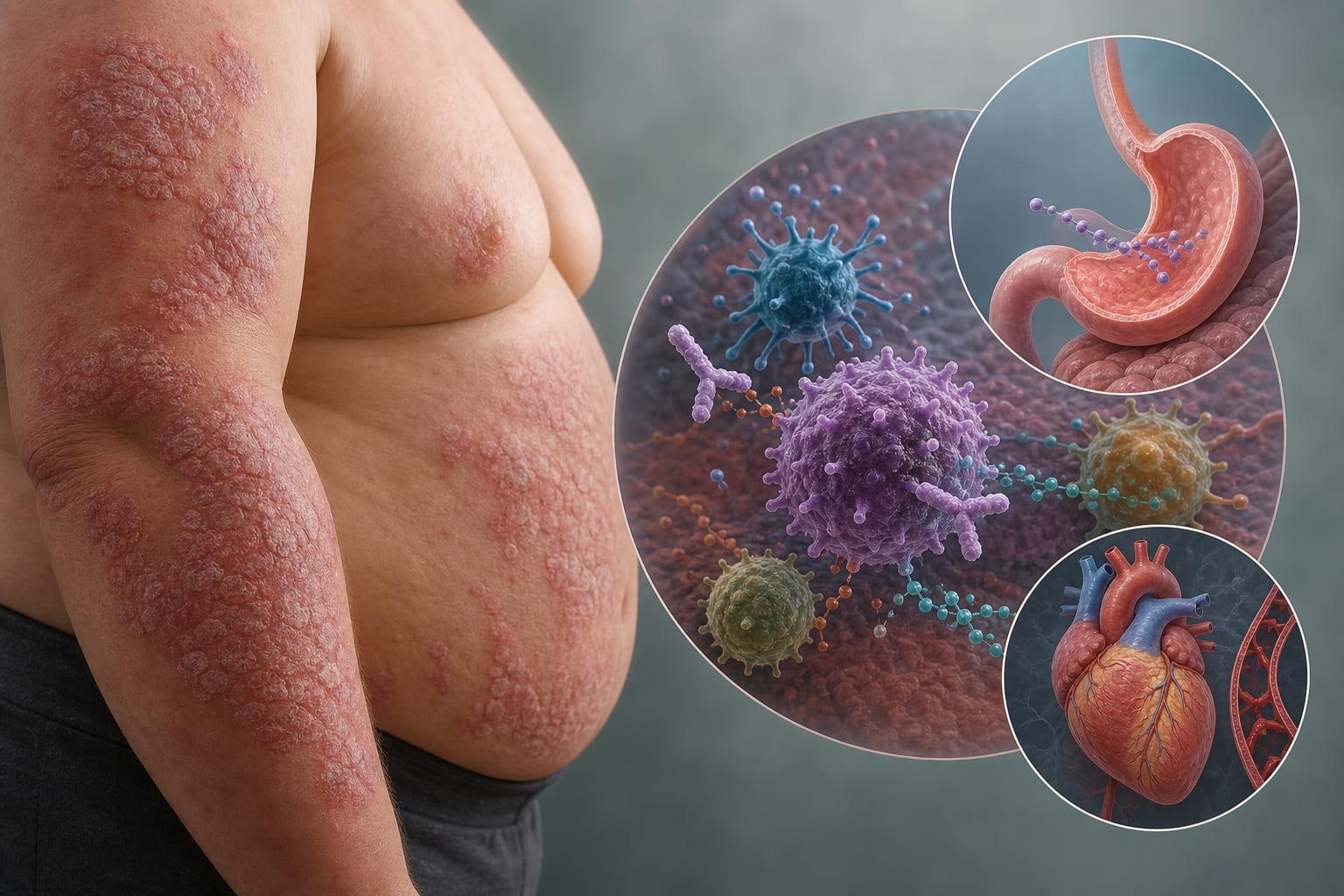
Clinical Report: The Effects of Chronic Skin Conditions on Psychological Well-Being
Overview
Chronic skin disorders in pediatric patients significantly impact psychological well-being and health-related quality of life (HRQoL).
Background
Chronic skin diseases in children and adolescents can lead to considerable physical discomfort and functional impairment, with psychosocial implications increasingly recognized.
Data Highlights
A total of 1,844 records were identified, with 41 studies meeting inclusion criteria. Most studies were cross-sectional (approximately 75%), with 12 classified as high methodological quality.
Key Findings
Elevated rates of anxiety, depression, stigma, and emotional distress were reported across various chronic skin conditions.
Severe atopic dermatitis was associated with nearly a two-fold increased risk of depressive and internalizing symptoms.
Health-related quality of life (HRQoL) impairment commonly affected emotional functioning, peer relationships, school participation, and sleep.
Caregiver burden was documented in 19 studies.
Psychosocial distress often parallels physical symptom severity in pediatric patients.
Clinical Implications
Routine psychosocial assessments are recommended for pediatric patients with chronic skin conditions to identify and address psychological distress. Family-centered care approaches may improve overall outcomes for affected children and their families.
Conclusion
Chronic skin disorders are linked to psychological distress and reduced HRQoL in pediatric patients.
by Abdulaziz Fahd AlKaabba, Shahd Muhammed Aldosari, Taif Abdullah Alwadai, Aldana Abdulrahaman Alodayani, Duna Saad Alhumaidan, Wajed Shuliweeh Alenezi, Renad Sami Almuharib, Renad Abdullah Almosa