A machine learning model for 90-day mortality prediction in hepatitis B virus-related acute-on-chronic liver failure: the pivotal role of CALLY index - Report - MDSpire
Advertisement
A machine learning model for 90-day mortality prediction in hepatitis B virus-related acute-on-chronic liver failure: the pivotal role of CALLY index
Clinical Report: A machine learning approach for predicting 90-day mortality in HBV-ACLF
Overview
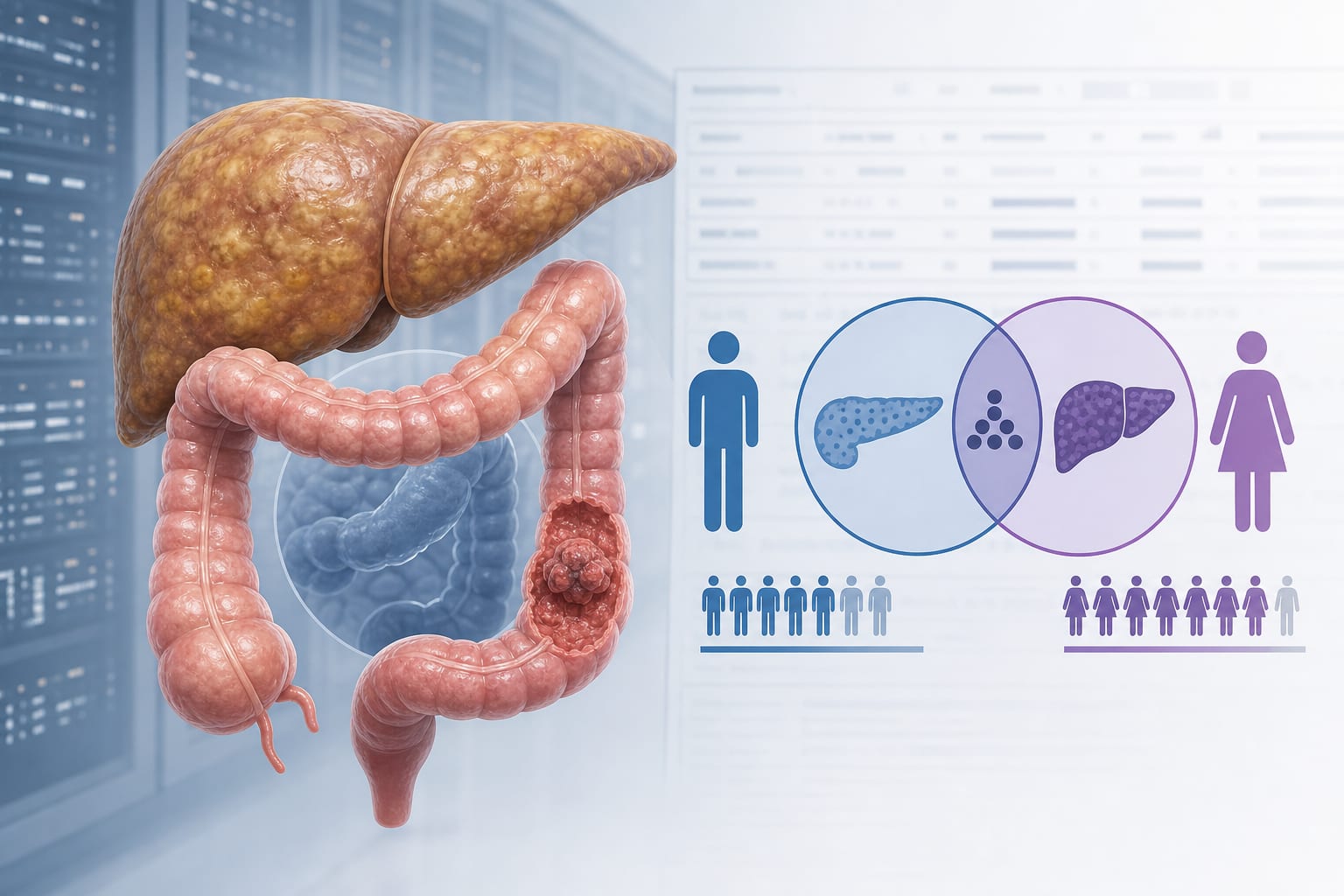
This study developed a machine learning framework integrating the CALLY index to predict 90-day mortality in patients with hepatitis B virus-related acute-on-chronic liver failure (HBV-ACLF). The LightGBM model demonstrated superior predictive performance compared to traditional models.
Background
Hepatitis B virus-related acute-on-chronic liver failure (HBV-ACLF) is associated with high short-term mortality and rapid clinical deterioration. Effective risk stratification is essential for timely intervention and resource allocation in critical care settings. Traditional prognostic scores often fail to capture the complex dynamics of this condition, necessitating innovative approaches such as machine learning.
Data Highlights
Model
AUC (Training Set)
AUC (Internal Validation Set)
AUC (External Validation Set)
LightGBM
0.940 (95% CI, 0.916–0.964)
0.825 (95% CI, 0.757–0.894)
0.804 (95% CI, 0.669–0.939)
Key Findings
The LightGBM model outperformed other machine learning algorithms in predicting 90-day mortality in HBV-ACLF patients.
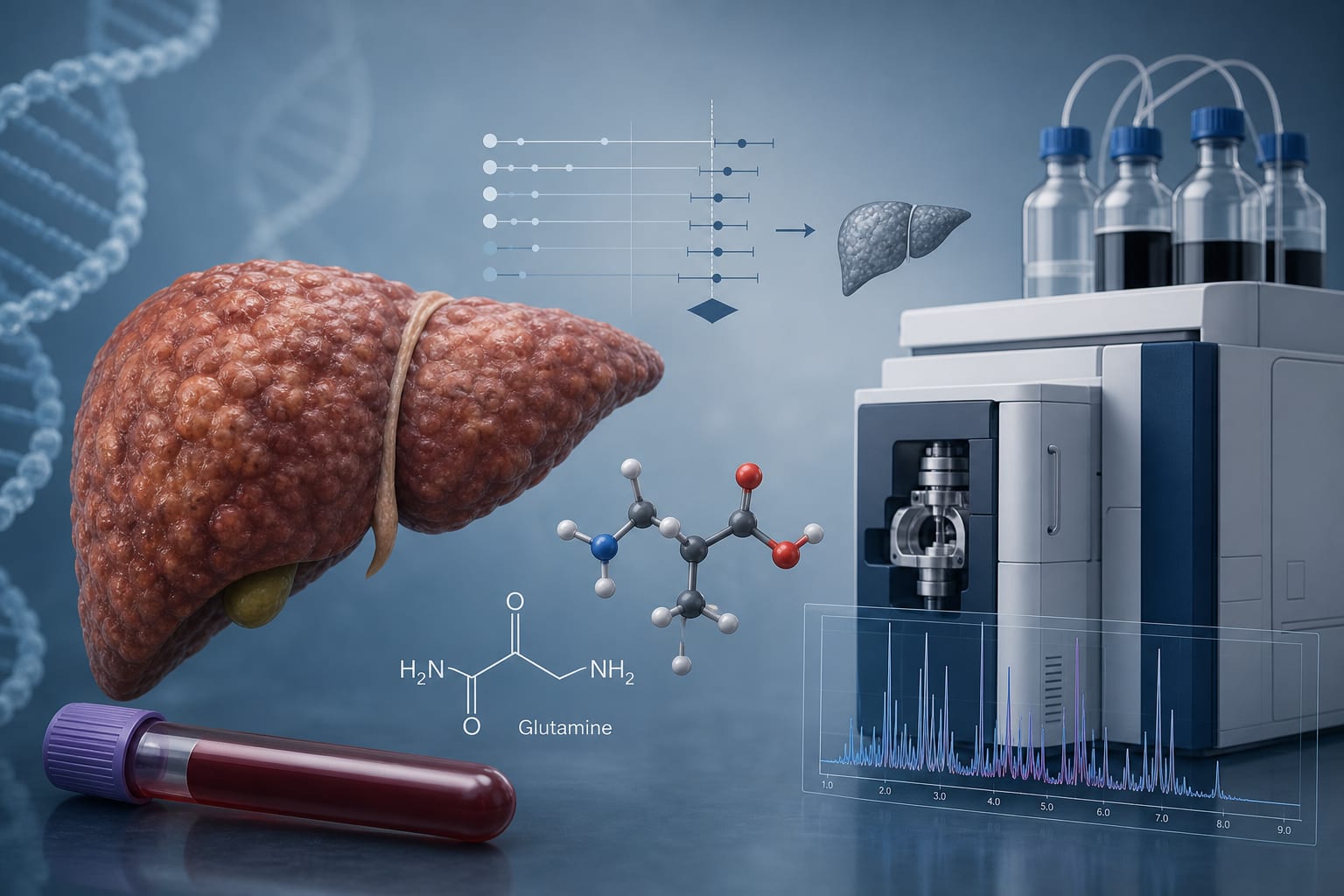
SHAP analysis identified INR as the strongest predictor of mortality, followed by the CALLY index, log-transformed TBIL, age, and creatinine.
The CALLY-based model improved risk stratification compared to the MELD score, with a continuous net reclassification index of 0.6223.
A user-friendly online tool was developed to facilitate clinical implementation of the mortality prediction model.
The study included a cohort of 471 patients, with a training set of 329 and an internal validation set of 142.
Clinical Implications
The integration of the CALLY index into a machine learning framework provides a robust tool for predicting mortality in HBV-ACLF patients. This approach may enhance early risk stratification and inform clinical decision-making in intensive care settings.
Conclusion
The machine learning framework developed in this study offers a high-precision tool for predicting 90-day mortality in HBV-ACLF patients.