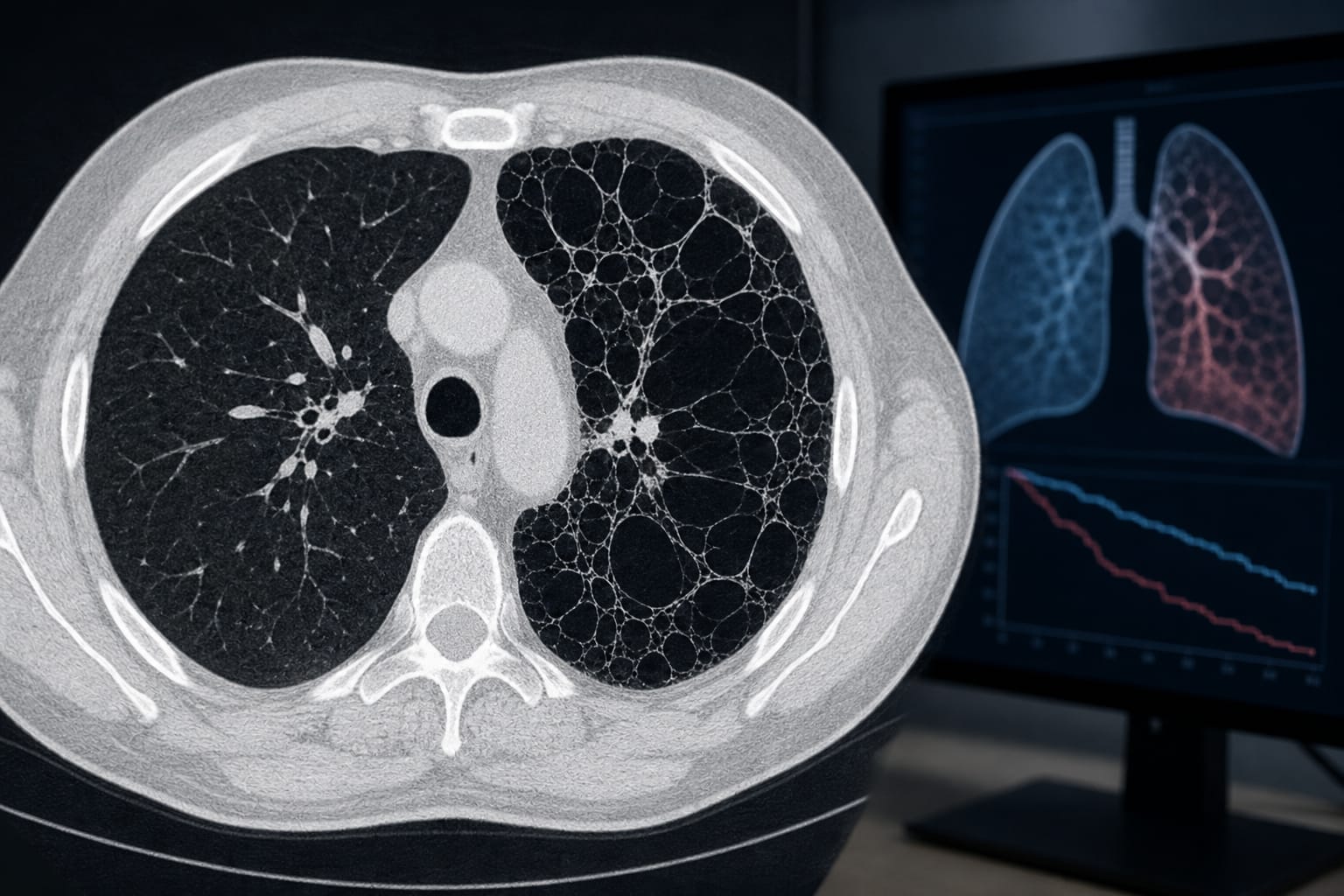
Clinical Report: Integrating CRRT with miECCO2R: Advancing Multiorgan Support Strategies
Background
The management of hypercapnic respiratory failure is critical, as excessive ventilatory settings and elevated PaCO2 levels are associated with poor outcomes. Understanding the efficacy and safety of the combined approach of miECCO2R with CRRT is essential for optimizing treatment strategies in critically ill patients.
Data Highlights
No numerical data or trial data provided in the source material.
Key Findings
miECCO2R can reduce ventilatory intensity and achieve near-normocapnia in patients with hypercapnic respiratory failure.
Clinically meaningful reductions in PaCO2 and normalization of pH were observed with blood flow rates as low as 100–400 mL/min.
Continuous operation of CRRT-miECCO2R may compensate for lower instantaneous CO2 removal rates by providing sustained CO2 clearance.
Regional citrate anticoagulation (RCA) may enhance circuit performance and treatment continuity.
No clinically relevant hemolysis or major bleeding events were reported during the study.
Current CRRT platforms have operational limits to maintain circuit integrity during prolonged use.
Clinical Implications
The findings indicate that the combined CRRT-miECCO2R approach may be relevant for managing patients with hypercapnic respiratory failure.
Conclusion
Further research is necessary to establish the clinical outcomes associated with the combined approach of miECCO2R with CRRT.