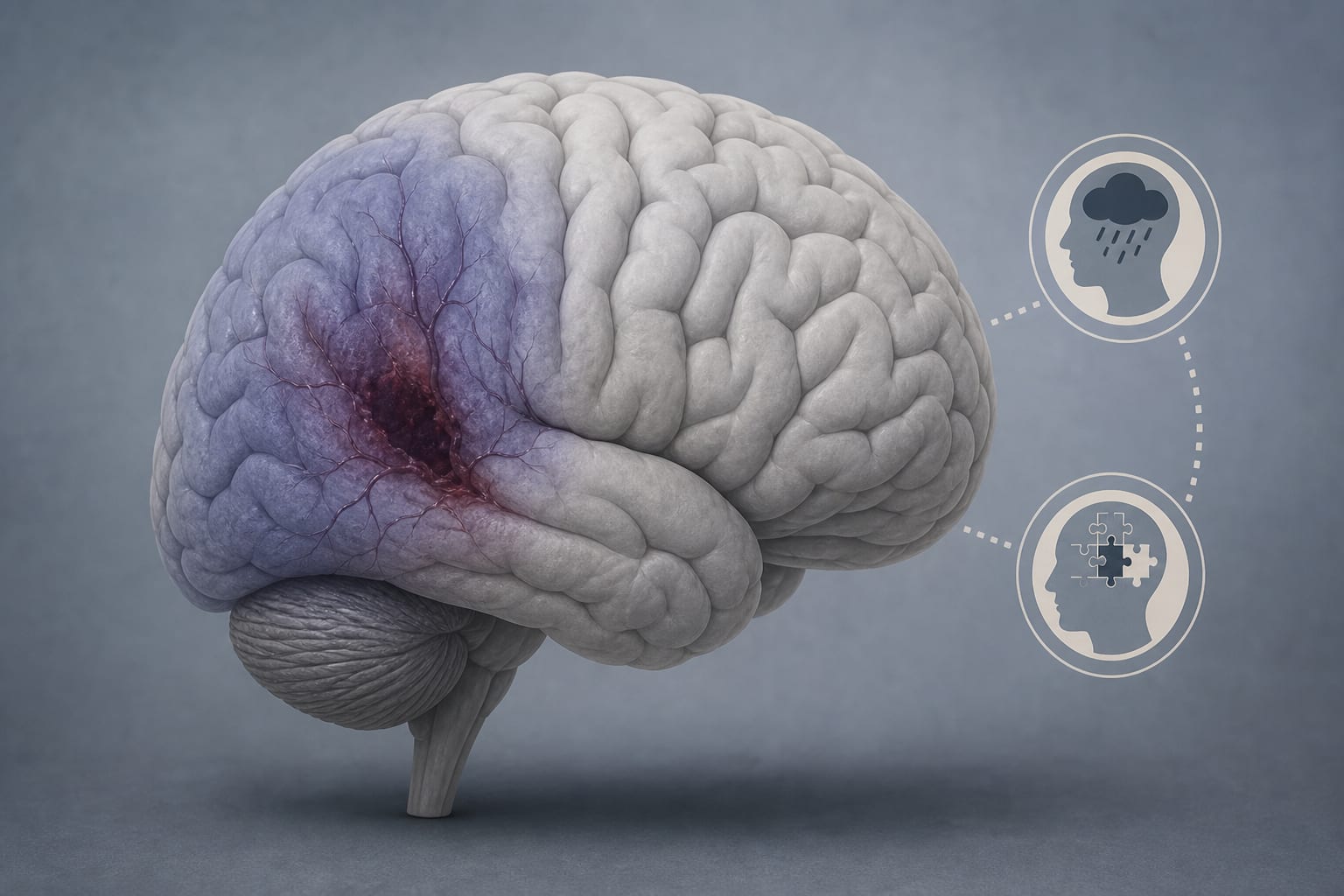
Multifactorial Nature of Childhood Stroke Presents a Major Challenge for Diagnosis and Management: A Population-Based Study From Southern Finland - Report - MDSpire
Clinical Report: Challenges in Diagnosing and Managing Childhood Stroke
Background
Childhood stroke, though accounting for only 1% of all strokes, poses a major risk of morbidity and mortality in children. The distinct aetiology and risk factors in pediatric populations necessitate specialized diagnostic and therapeutic approaches. Accurate diagnosis is critical, as delays can worsen outcomes.
Data Highlights
No numerical data available in the source material.
Key Findings
Childhood stroke incidence reported as 1.2–13/100,000 children under 18 years.
Mortality rates in pediatric stroke range from 10% to 25%, with recurrence rates up to 25%.
Persistent neurological or developmental deficits can affect up to 66% of survivors.
Cerebral arteriopathy accounts for 34%–80% of strokes in otherwise healthy children.
Modern neuroimaging and reperfusion strategies have improved diagnosis and management of childhood AIS.
Endovascular thrombectomy is considered safe in children and shows improved outcomes for large- or medium-vessel occlusions.
Clinical Implications
Healthcare providers should be aware of the unique challenges in diagnosing childhood stroke and the importance of timely intervention. Enhanced diagnostic pathways and treatment strategies are essential to improve outcomes for affected children.
Conclusion
The study underscores the need for improved recognition and management of childhood stroke to mitigate long-term consequences. Continued research and development of pediatric-specific guidelines are necessary.
Research highlights expanding diagnostic capabilities but persistent gaps in antiviral therapy and vaccine coverage for pediatric enterovirus infections.