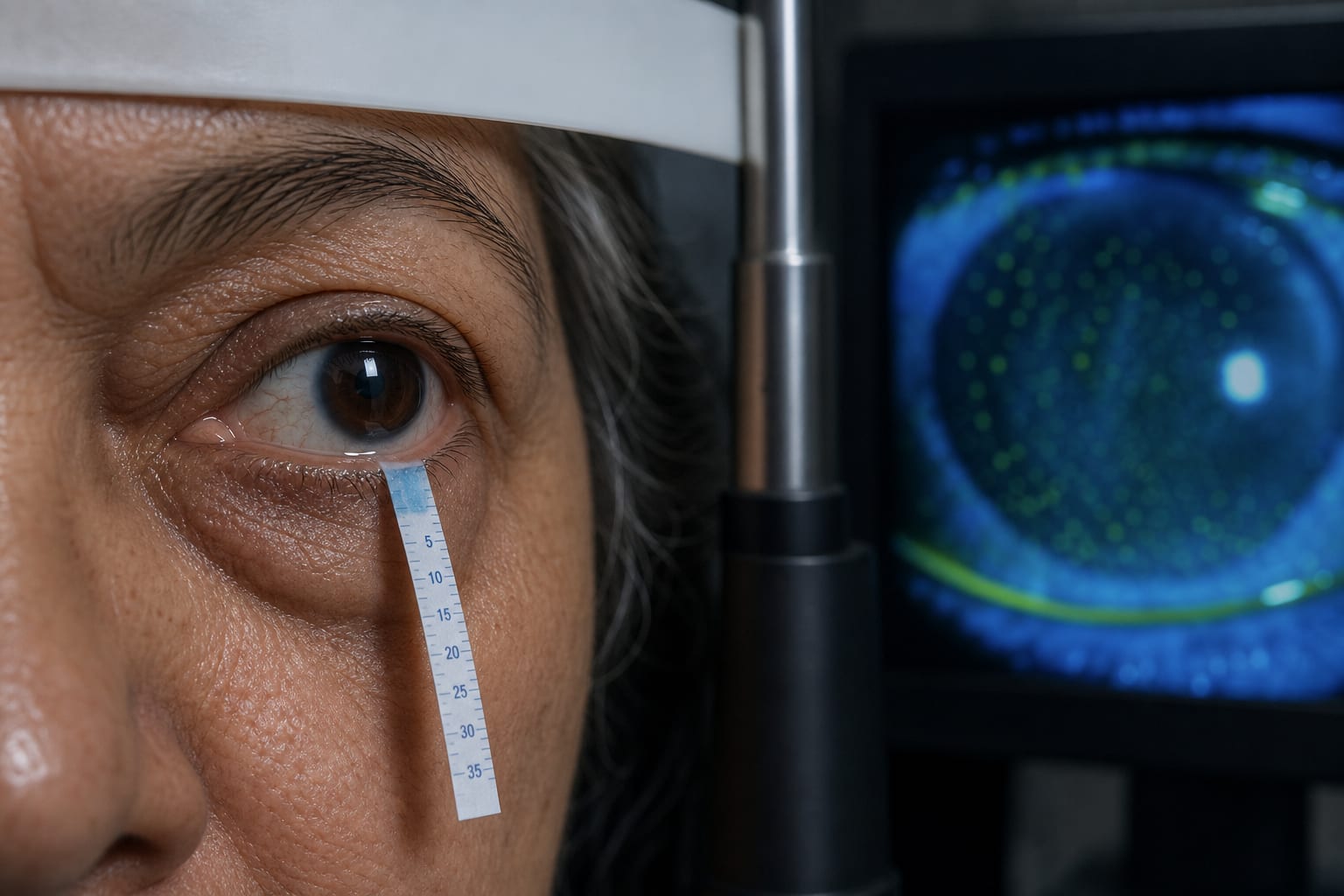
Management of Non-Sjögren's Dry Eye in Preparation for Cataract Surgery
Background
Cataract surgery is one of the most common surgical procedures globally, particularly among older adults. Patients with pre-existing dry eye conditions may experience exacerbated symptoms, complicating surgical outcomes. Effective management of dry eye prior to cataract surgery is essential to prevent complications and ensure optimal surgical results.
Data Highlights
Parameter
Right Eye
Left Eye
Schirmer's Test
5 mm
7 mm
Tear Break-Up Time
8 s
14 s
Key Findings
The patient had moderate-to-severe Non-Sjögren's ADDE and was initially unfit for cataract surgery.
Ocular symptoms included irritation, foreign body sensation, and blurred vision.
Ayurvedic treatment involved systemic and local interventions over two months.
Post-treatment, Schirmer's test and TBUT values improved significantly, enabling surgery eligibility.
Inconsistent adherence to initial treatment contributed to minimal improvement before Ayurvedic intervention.
Clinical Implications
This case highlights the importance of individualized treatment strategies for patients with refractory dry eye prior to cataract surgery. It suggests that alternative approaches, such as Ayurvedic management, may be beneficial in optimizing ocular surface conditions.
Conclusion
The successful management of Non-Sjögren's ADDE through Ayurvedic treatment demonstrates the potential for alternative therapies in preparing patients for cataract surgery. Further investigation is warranted to explore these strategies in similar patient populations.
Related Resources & Content
The ophthalmologist, Case Study: Preoperative Ocular Surface Optimization in Cataract Surgery, 2026 -- https://theophthalmologist.com/issues/2026/articles/september/case-study-preoperative-ocular-surface-optimization-in-cataract-surgery/
Lisa Nijm, MD, reflects on Real World Ophthalmology's growth and previews upcoming opportunities for young ophthalmologists to learn, connect, and advance their careers.