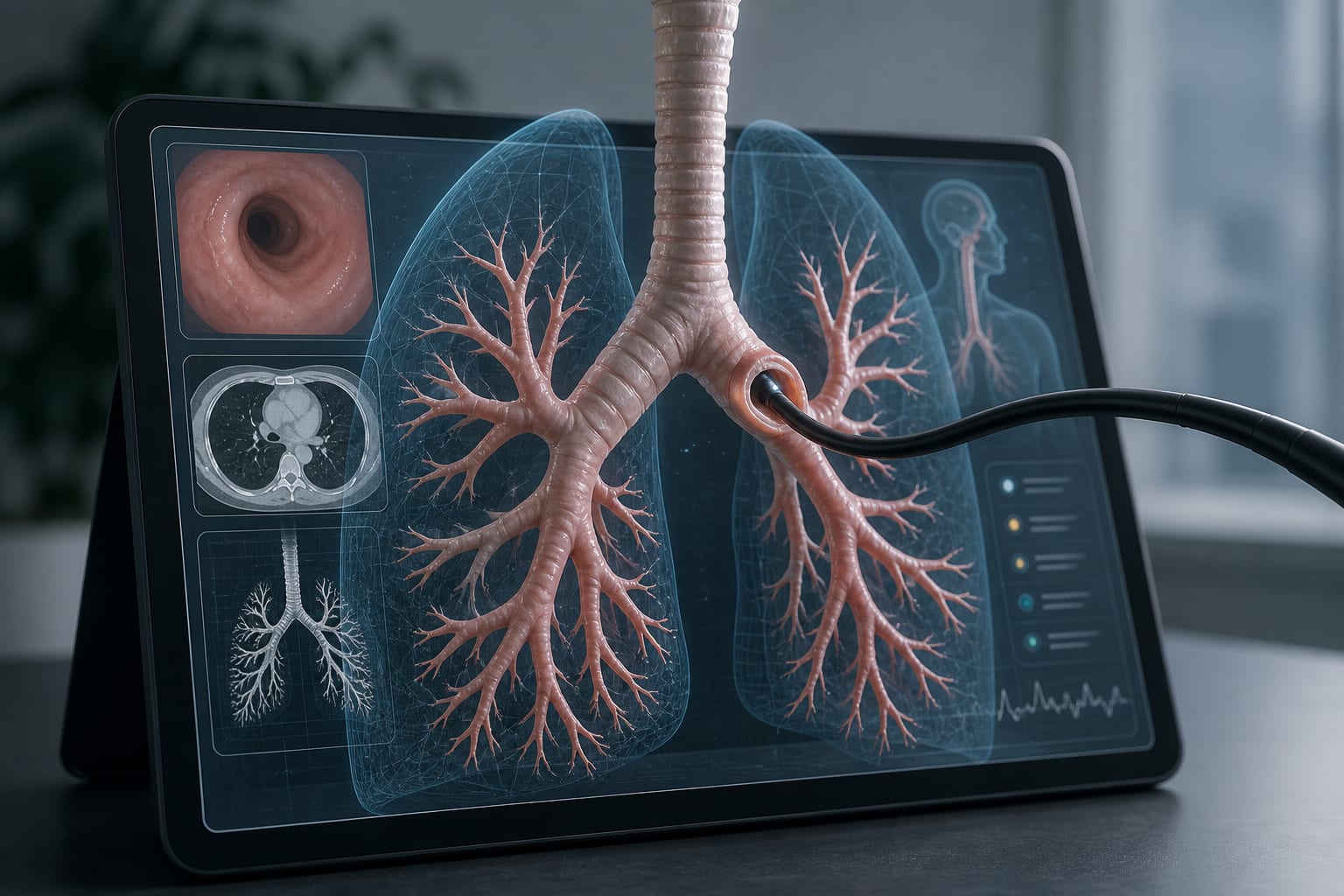
Clinical Report: Progress in Understanding and Managing Ventilator-Associated Pneumonia
Overview
Ventilator-associated pneumonia (VAP) is a significant complication of mechanical ventilation, associated with high morbidity and mortality.
Background
VAP is one of the most common complications in patients requiring invasive mechanical ventilation, leading to increased healthcare costs and prolonged ICU stays. Understanding the pathophysiology of VAP is crucial for improving patient outcomes.
Data Highlights
Recent studies indicate that the incidence of VAP ranges from 9% to 27% in mechanically ventilated patients. The mortality rate associated with VAP can be as high as 30% to 50%. The most common pathogens identified in VAP include Pseudomonas aeruginosa, Staphylococcus aureus, and various Enterobacteriaceae. Early initiation of appropriate antibiotic therapy is associated with improved outcomes.
Key Findings
VAP is influenced by the disruption of the respiratory microbiome due to critical illness and antibiotic exposure.
Distinct respiratory microbiome signatures can differentiate patients with and without hospital-acquired pneumonia (HAP).
Antimicrobial stewardship is essential to preserve microbial homeostasis.
Rapid molecular diagnostics have improved antibiotic therapy adequacy but face integration challenges in clinical practice.
Immune-phenotype-guided therapy has shown promise in improving organ function in septic patients.
Clinical Implications
Clinicians should consider the dynamics of the respiratory microbiome when diagnosing and treating VAP.
Conclusion
A comprehensive understanding of VAP's pathophysiology is vital for improving management strategies in critically ill patients.
Related Resources & Content
European Network for ICU-Related Respiratory Infections (ENIRRIs), PubMed, 2023 -- A multinational, prospective, cohort study of nosocomial LRTI
INHALE WP3, Intensive Care Medicine, 2024 -- A multicentre, open-label, pragmatic randomised controlled trial assessing the impact of rapid, ICU-based, syndromic PCR
Intensive Care Medicine, 2023 -- Tracheobronchitis and Pneumonia Linked to Ventilator Use
Intensive Care Medicine, 2022 -- Ventilation Strategies for Lung Protection
Intensive Care Medicine — Highlights from Intensive Care Medicine 2009: I. Pneumonia, Infections, Sepsis, Outcomes, Acute Kidney Injury, Acid-Base Balance, Nutrition, and Glycemic Management
Intensive Care Medicine — Non-Pharmacological Strategies for the Prevention of Ventilator-Associated Pneumonia
VAE | PSC | NHSN | CDC
INHALE WP3, a multicentre, open-label, pragmatic randomised controlled trial assessing the impact of rapid, ICU-based, syndromic PCR, versus standard-of-care on antibiotic stewardship and clinical outcomes in hospital-acquired and ventilator-associated pneumonia | Intensive Care Medicine | Springer Nature Link
European Network for ICU-Related Respiratory Infections (ENIRRIs): a multinational, prospective, cohort study of nosocomial LRTI - PubMed