Clinical Report: Factors Influencing Immune Evasion in B-cell Lymphoma
Overview
This editorial discusses the mechanisms of immune evasion in B-cell lymphomas, highlighting the role of genetic, epigenetic, and metabolic changes in promoting tumor survival and immune exclusion.
Background
B-cell lymphomas represent a diverse group of hematologic malignancies characterized by their ability to evade immune surveillance. Understanding the mechanisms behind immune evasion is important as many patients experience relapses or resistance to current therapies. Recent advances in research have begun to uncover the complex interactions between malignant B cells and the immune microenvironment.
Data Highlights
No numerical data provided in the source material.
Key Findings
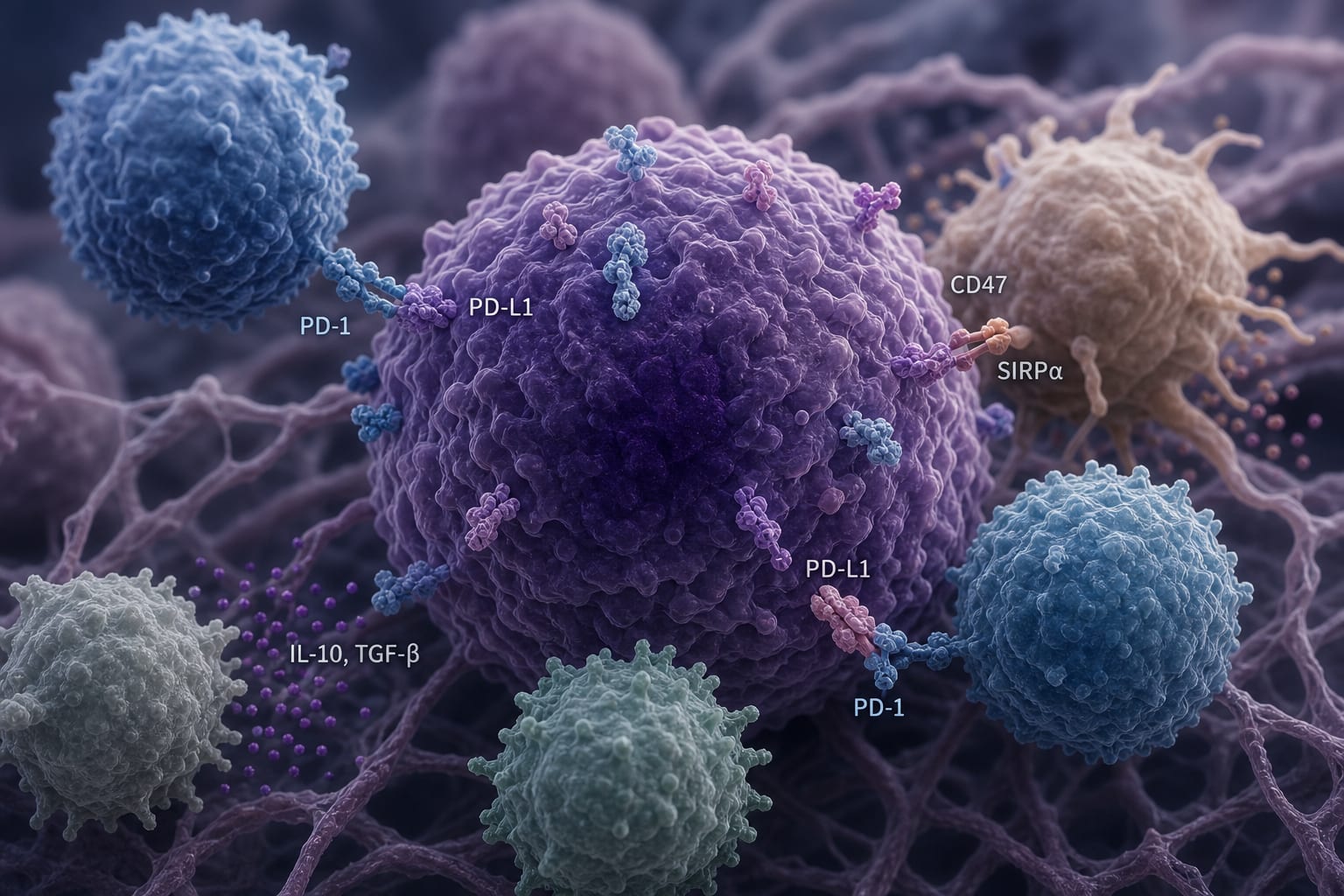
B-cell lymphomas utilize various strategies to evade immune recognition, including impaired antigen presentation and dysregulation of immune checkpoints.
Genetic alterations, such as increased RGC-32 expression, are linked to reduced CD8+ T-cell infiltration in DLBCL.
Metabolic reprogramming in lymphoma cells affects both tumor biology and immune cell function.
Resistance to treatment in DLBCL is influenced by genetic heterogeneity and interactions with the tumor microenvironment.
Combination therapies targeting both lymphoma survival pathways and the immunosuppressive microenvironment may be necessary to overcome treatment resistance.
Clinical Implications
A comprehensive understanding of the molecular and microenvironmental factors influencing immune evasion in B-cell lymphomas is essential for developing targeted therapies.
Conclusion
The multifactorial nature of immune escape in B-cell lymphomas necessitates ongoing research.