Clinical Report: Approaches to Managing Rituximab-Resistant PMN
Overview
This report discusses the mechanisms of resistance to rituximab in primary membranous nephropathy (PMN) and explores novel therapeutic options. The findings highlight the multifactorial nature of RTX resistance and the emergence of precision immunotherapy strategies.
Background
Primary membranous nephropathy (PMN) is a significant cause of nephrotic syndrome in adults, characterized by immune complex deposition in the glomerular basement membrane. While rituximab has improved treatment outcomes, many patients experience resistance, necessitating a shift towards mechanism-based therapies. Understanding the resistance mechanisms is crucial for developing individualized treatment approaches.
Data Highlights
No numerical data available in the source material.
Key Findings
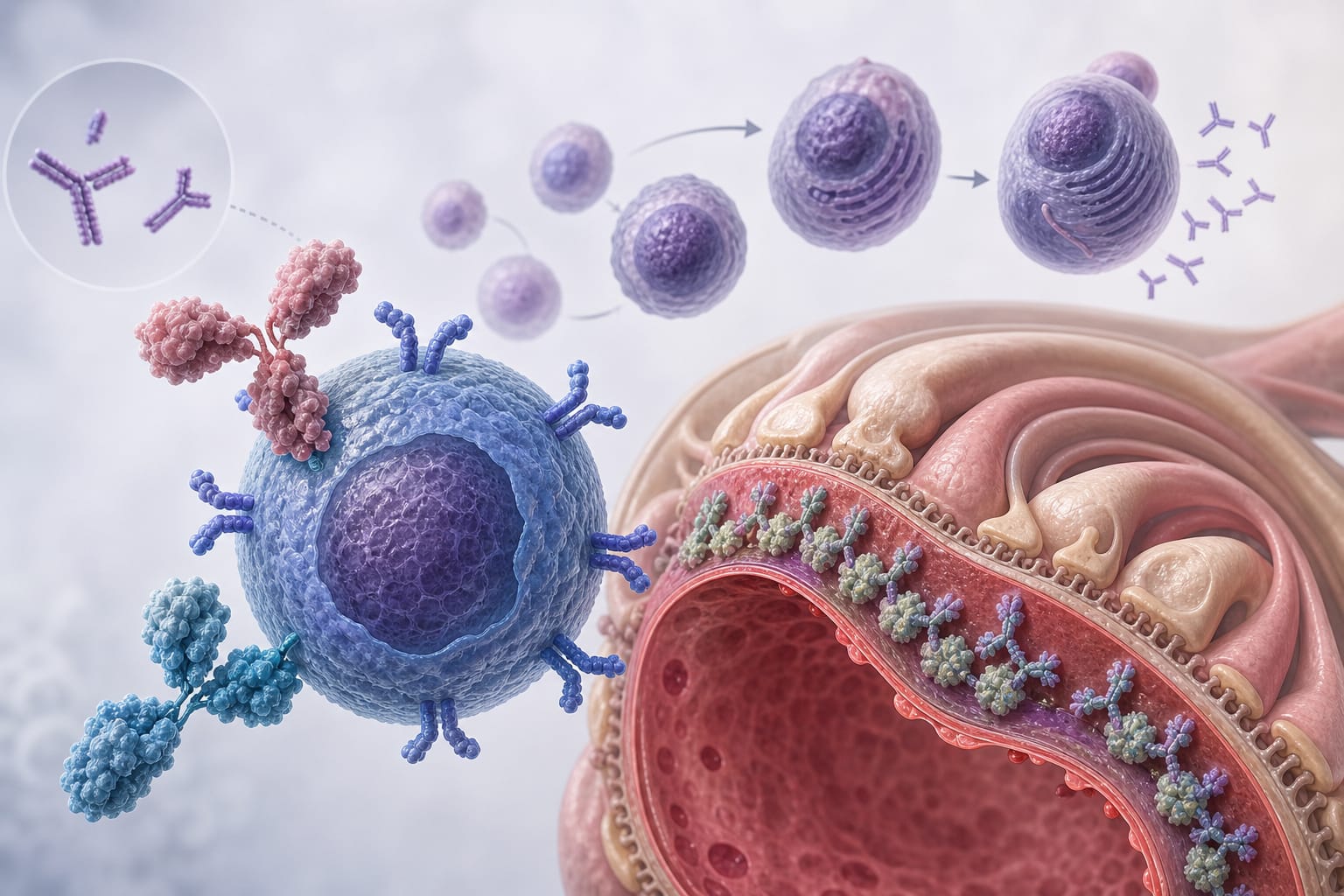
Rituximab resistance in PMN is multifactorial, involving anti-drug antibodies and incomplete B cell depletion.
Emerging therapies include next-generation anti-CD20 monoclonal antibodies and CAR-T cell therapies.
Precision medicine approaches are essential for optimizing PMN management based on individual patient profiles.
Current guidelines recommend a risk-based approach for treatment intensity in PMN.
Clinical Implications
Clinicians should consider the multifactorial nature of rituximab resistance when treating PMN and explore novel therapeutic options. A personalized approach, informed by the latest research on resistance mechanisms, can enhance treatment efficacy and patient outcomes.
Conclusion
Highlight the need for continued research and its impact on treatment evolution.