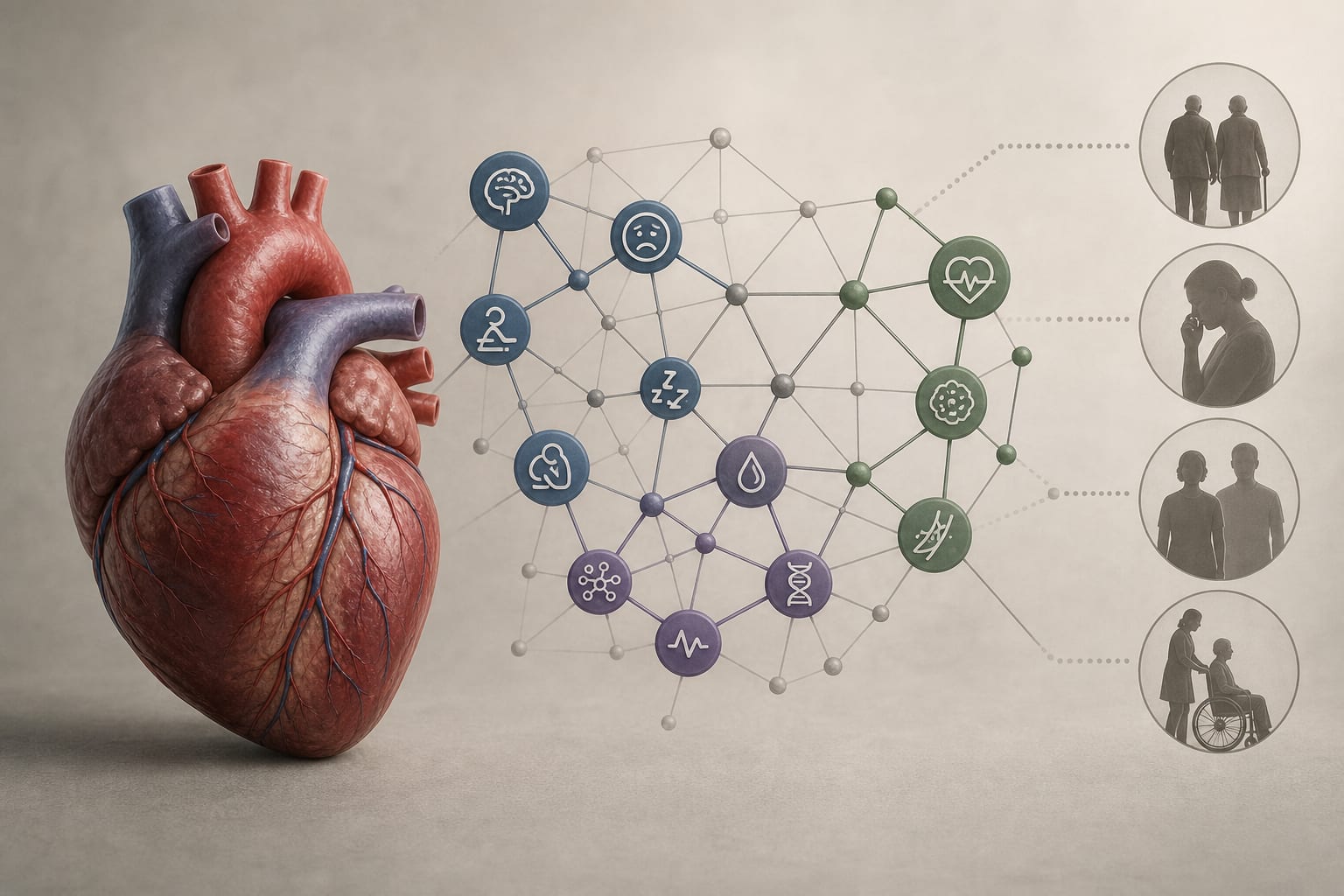
Clinical Report: Transition in Mental Health Support for College Students
Overview
This study investigates the shift from traditional on-campus counseling to GenAI-enhanced consultations among college students. Key factors influencing this transition include privacy concerns, social anxiety, and stigma surrounding mental illness, with AI's perceived information quality playing a moderating role.
Background
The mental health crisis among college students is a pressing global issue, with many students facing depression, anxiety, and academic stress. Traditional counseling services often fall short due to stigma and accessibility issues, prompting a shift towards AI-based solutions. Understanding this transition is crucial for developing effective mental health support systems that meet students' needs.
Data Highlights
The study utilized online questionnaires and the PLS-SEM method to analyze factors influencing students' willingness to transition to GenAI consultations.
Key Findings
Privacy concerns significantly enhance students' inclination towards AI consultations.
Social anxiety and stigma surrounding mental illness are critical factors in the transition to GenAI.
The comfort level of interacting with AI mediates the willingness to switch from traditional counseling.
Perceived AI information quality moderates the influence of privacy concerns and stigma on the transition.
AI consultations provide a non-judgmental environment that may reduce feelings of shame and fear.
Clinical Implications
Healthcare providers should consider integrating GenAI tools into existing mental health support frameworks to enhance accessibility and reduce stigma. Understanding the factors driving students' preferences can inform the development of tailored mental health interventions.
Conclusion
The transition to GenAI-enhanced consultations represents a significant shift in mental health support for college students, driven by various psychosocial factors. This evolution necessitates ongoing research and adaptation of mental health services to better serve student populations.