Gender differences in symptoms suggestive of diabetic gastroparesis in the West Bank: clinical insights from a cross-sectional study - Report - MDSpire

Gender differences in symptoms suggestive of diabetic gastroparesis in the West Bank: clinical insights from a cross-sectional study

  • By

  • Diya Asad

  • Qusai Zreqat

  • Shahd T. Idais

  • Marah Hunjul

  • Bara'ah Huseein

  • Alaa Ayyad

  • Hamzeh M. I. Abugharbieh

  • Haroun Neiroukh

  • Areen Zuhour

  • Salsabeel M. Abukhalaf

  • Nour Al-Atrash

  • Roa Alzughayyar

  • Hussein Hallak

  • June 10, 2026

  • 0 min

Share

Clinical Report: Exploring Gender Variations in Diabetic Gastroparesis Symptoms

Overview

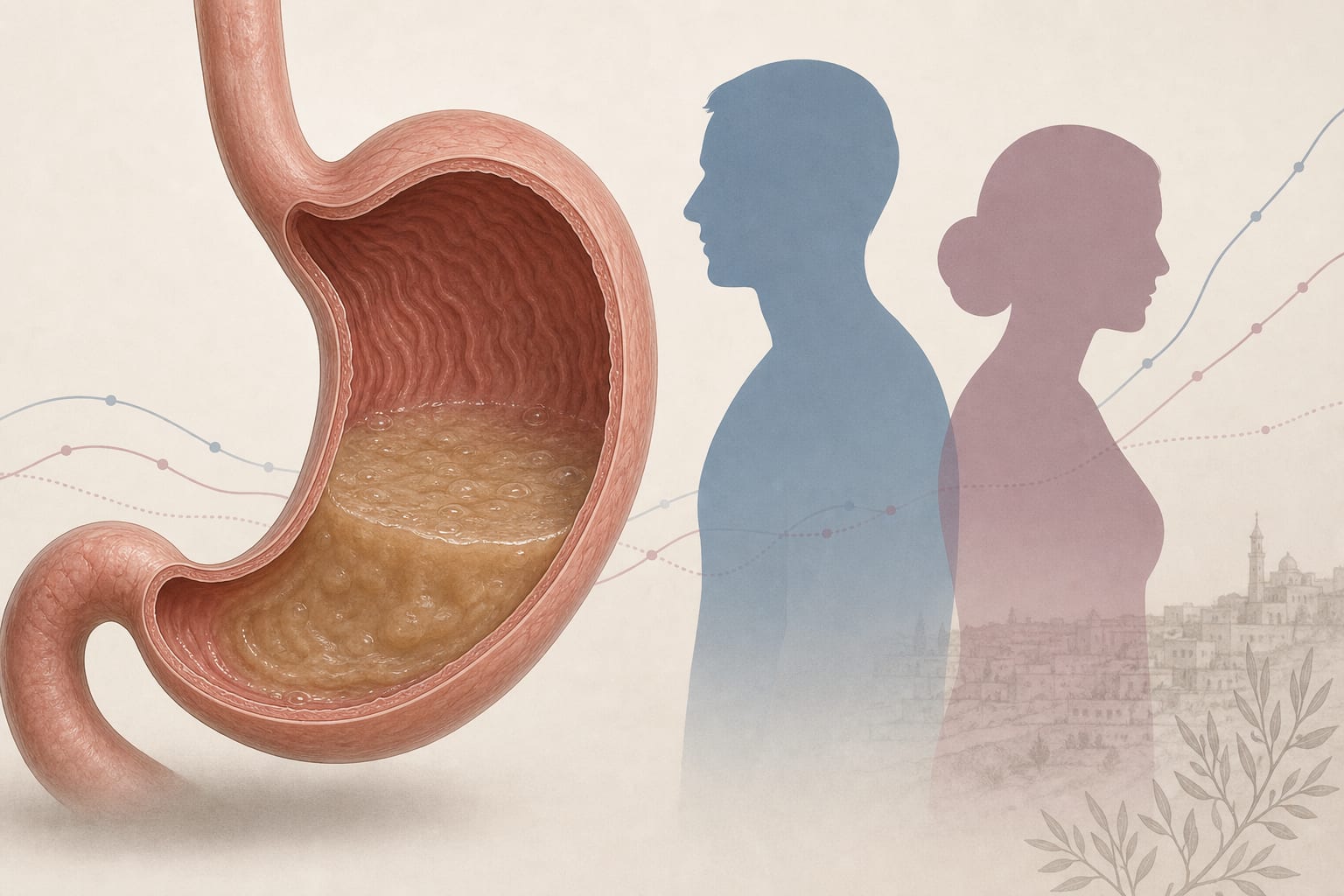
This study investigates gender differences in the prevalence and severity of diabetic gastroparesis (DGP) symptoms among patients with type 2 diabetes in the West Bank. Findings indicate that females experience a higher prevalence and severity of DGP symptoms compared to males, highlighting the need for gender-specific management strategies.

Background

Diabetic gastroparesis is a significant complication of diabetes mellitus, affecting 5-15% of patients and leading to debilitating gastrointestinal symptoms. Understanding gender differences in DGP is crucial, as females are disproportionately affected, which may influence treatment approaches and patient outcomes. This study aims to provide insights into these differences to inform clinical practice.

Data Highlights

GenderPrevalence of DGP SymptomsMean Severity Score (GCSI)
FemalesHigher≥3.5
MalesLowerBelow 3.5

Key Findings

  • Females had a higher prevalence of diabetic gastroparesis symptoms compared to males.
  • Female patients reported significantly higher mean severity scores for all gastroparesis symptoms.
  • Logistic regression identified female gender as the only independent factor associated with severe DGP symptoms (OR: 2.38, p=0.019).
  • Common symptoms in females included nausea, early satiety, and bloating.
  • Females exhibited poorer glycemic control and higher obesity rates compared to males.

Clinical Implications

Healthcare providers should be aware of the increased risk and severity of diabetic gastroparesis symptoms in female patients with type 2 diabetes. This awareness can guide more tailored management strategies that address the unique challenges faced by this population.

Conclusion

The findings underscore the importance of recognizing gender differences in diabetic gastroparesis, which may lead to improved patient care and outcomes through gender-specific treatment approaches.
Related Resources & Content

  1. Frontiers in Endocrinology, 2026 -- Exploring Gender Disparities in Diabetes Awareness, Glycemic Management, and Cardiovascular Risk in Adults with Type 2 Diabetes: A Cross-Sectional Analysis
  2. Obesity Surgery, 2020 -- Monitoring Glycemic Variability During Fasting After Sleeve Gastrectomy Using Continuous Glucose Measurement
  3. Frontiers in Medicine, 2026 -- The association between poor glycemic control and PTSD in patients with diabetes mellitus in primary healthcare in Palestine
  4. Clinical guidance on the management of gastroparesis - American Gastroenterological Association
  5. The Journal of Clinical Endocrinology & Metabolism — Gender-Based Variations in Blood Sugar Levels and Exercise Management Approaches in Active Adults with Type 1 Diabetes
  6. Clinical guidance on the management of gastroparesis - American Gastroenterological Association
  7. 12. Retinopathy, Neuropathy, and Foot Care: Standards of Care in Diabetes—2026 | Diabetes Care | American Diabetes Association
  8. Gastric Peroral Endoscopic Pyloromyotomy (G-POEM) Is Effective in the Treatment of Diabetic Gastroparesis: A Randomized, Double-Blinded, Sham-Controlled Trial - ScienceDirect
  9. Short-term and Long-term Efficacy of Gastric Peroral Endoscopic Myotomy for Refractory Gastroparesis: A Meta-analysis - PubMed
  10. Efficacy and safety of gastric peroral endoscopic myotomy across different etiologies of gastroparesis: systematic review and meta-analysis - PubMed
  11. Endoscopic and surgical treatment options for gastroparesis: systematic review and network meta-analysis - PubMed
  12. Prevalence of gastroparesis symptoms and its associated factors among type 2 diabetes mellitus patients in West Bank in Palestine: a national cross-sectional study
  13. Gender-Related Differences in the Hospitalization Outcomes for Gastroparesis - PubMed
  14. Clinical insights into diabetic gastroparesis: gastric scintigraphy-based diagnosis and treatment outcomes | BMC Gastroenterology | Full Text

Original Source(s)

Related Content