Clinical Report: Identifying MGD in Young Patients
Overview
Meibomian gland dysfunction (MGD) is increasingly prevalent among young patients, affecting 5.5% to 23% of the pediatric population in the U.S. Early signs of MGD often precede classic dry eye symptoms, necessitating proactive screening and management strategies.
Background
The rising incidence of dry eye disease (DED) and MGD in younger populations is a growing concern for healthcare professionals. Factors such as increased digital device usage, lifestyle choices, and cosmetic practices contribute to the early onset of these conditions. Understanding the clinical implications of MGD in this demographic is crucial for effective management and treatment.
Data Highlights
Age Group
Prevalence of MGD
Severe Gland Atrophy
Severe Tortuosity
5-18 years
5.5% - 23%
31%
84%
Key Findings
Digital device use exceeding 2-3 hours daily significantly contributes to ocular surface changes.
A blink frequency of approximately 20 blinks per minute is critical for maintaining tear film stability.
Adolescent girls often use multiple personal care products, increasing exposure to harmful ingredients linked to dry eye severity.
Up to 85% of young cosmetic users report at least one ocular adverse reaction to their products.
Structured clinical protocols for screening and management are essential for effective treatment of MGD in young patients.
Clinical Implications
Healthcare providers should implement early screening protocols for MGD in younger patients, considering lifestyle factors and cosmetic use. Management strategies should include education on safe cosmetic practices and the importance of maintaining tear film stability.
Conclusion
Addressing MGD in young populations requires a comprehensive approach that includes early detection, patient education, and tailored management strategies to mitigate the impact of lifestyle factors.
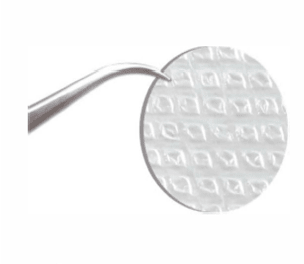
The trilayer decellularized basement membrane is used in ocular surgery and in OSD applications, including corneal and conjunctival-related injuries or defects.