Clinical Report: Collaborative Global Efforts in Addressing Temporary Mechanical Circulatory Support for Fulminant Myocarditis
Overview
This report discusses the findings from a multicenter study involving 295 patients with fulminant myocarditis treated with temporary mechanical circulatory support (tMCS). The study highlights the challenges and outcomes associated with tMCS, including a one-year mortality rate of 36% and a composite outcome of death, heart transplantation, or durable LVAD in 44% of patients.
Background
Fulminant myocarditis is a rare but critical condition characterized by severe myocardial inflammation and impaired left ventricular ejection fraction. It often necessitates intensive care and advanced therapeutic interventions such as temporary mechanical circulatory support (tMCS). Understanding the efficacy and safety of tMCS in this context is vital for improving patient outcomes and guiding clinical practice.
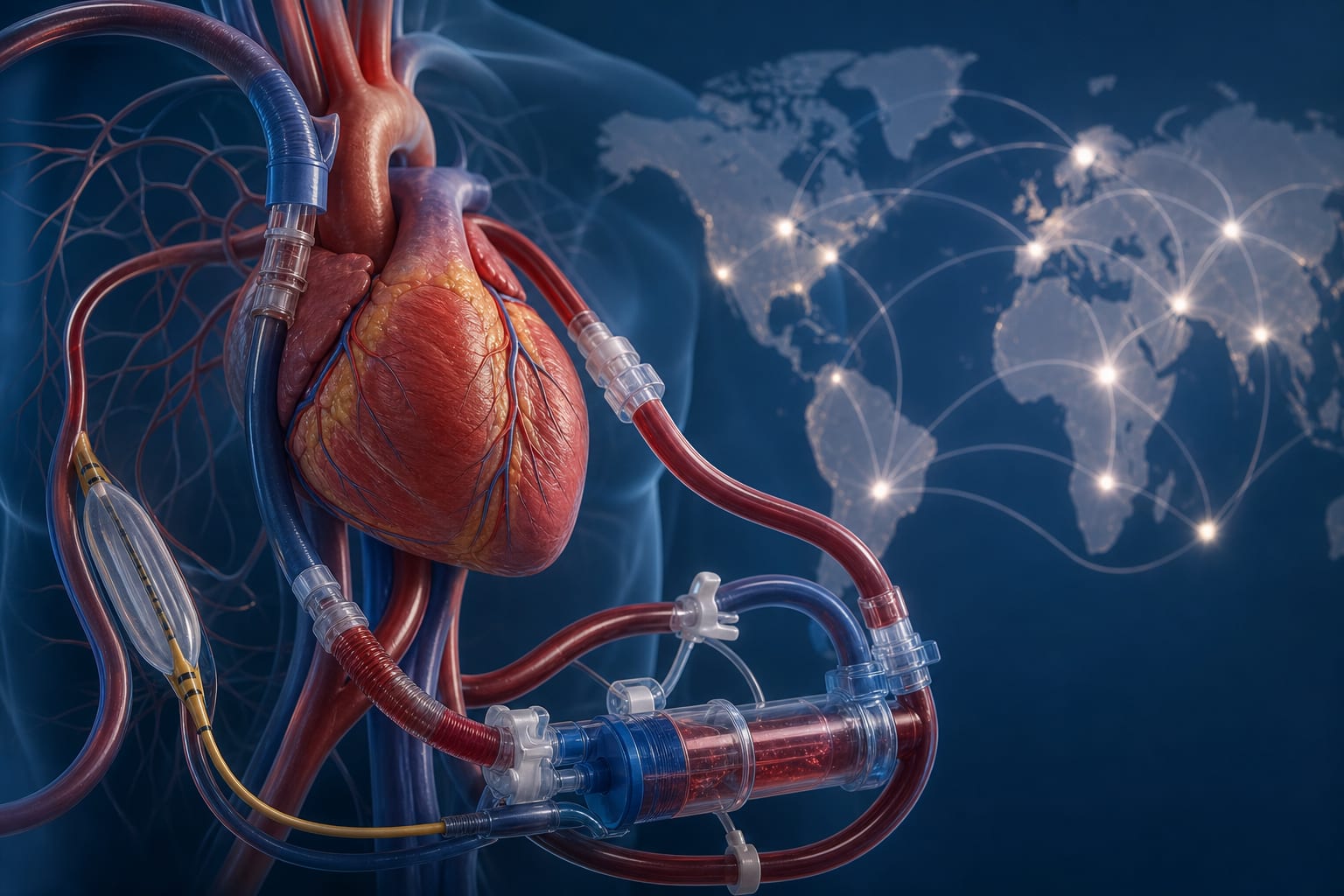
VA-ECMO was the predominant tMCS strategy, used in nearly two-thirds of patients.
Mechanical LV unloading was achieved in approximately one-third of patients, primarily using IABP.
31% of cases were diagnosed on clinical grounds alone, highlighting a diagnostic gap.
The study utilized a large international cohort, enhancing the generalizability of its findings.
Long-term outcomes included a composite of mortality, heart transplantation, or LVAD, reflecting patient-centered endpoints.
Clinical Implications
Clinicians should consider the high mortality and morbidity associated with fulminant myocarditis when evaluating treatment options. The findings underscore the importance of early referral to specialized centers capable of providing tMCS and performing diagnostic procedures like endomyocardial biopsy.
Conclusion
The study provides critical insights into the management of fulminant myocarditis with tMCS, emphasizing the need for standardized diagnostic criteria and further research to optimize treatment strategies.