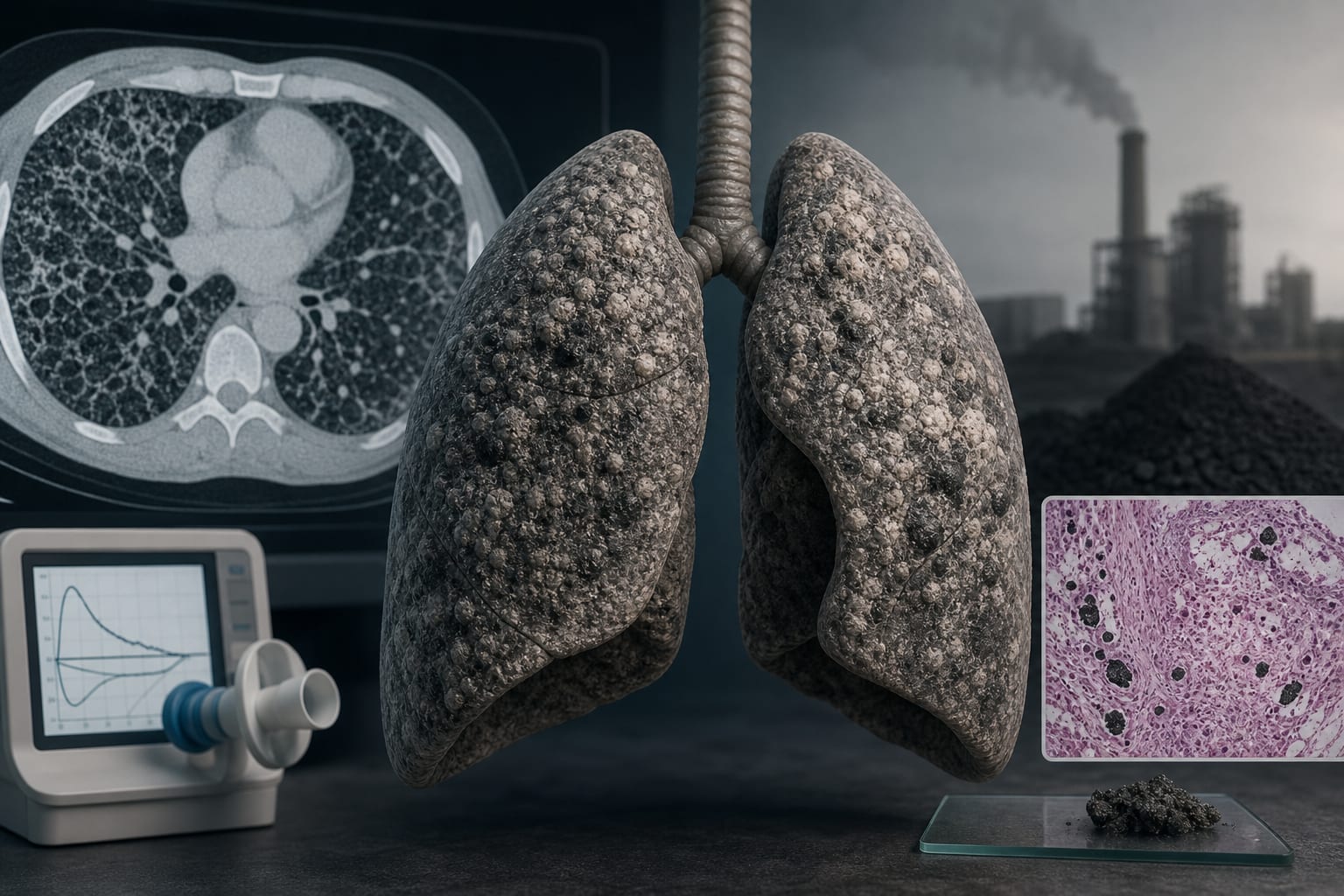
Challenges in Diagnosis and Unnecessary Invasive Interventions Prior to Identifying Pneumoconiosis
Overview
This study evaluates the diagnostic challenges and unnecessary invasive procedures in patients with pneumoconiosis. Findings indicate a significant diagnostic discordance.
Background
Pneumoconiosis is a significant occupational health issue, often misdiagnosed due to overlapping radiological features with malignancies and infections. This misdiagnosis can lead to unnecessary invasive procedures, increasing patient risk and healthcare costs.
Data Highlights
Metric
Value
Patients Evaluated
121
Overall Complication Rate
10.7%
Most Frequent Adverse Event
Pneumothorax
p-value for Radiological Burden and Pulmonary Function
< 0.001
Key Findings
Radiological patterns linked to malignancy or infection were associated with invasive procedures.
Higher radiological burden correlated with reduced pulmonary function.
Substantial diagnostic discordance was observed between initial clinical diagnoses and invasive findings.
The overall complication rate for invasive procedures was 10.7%, with pneumothorax being the most common complication.
Clinical Implications
Healthcare providers should consider occupational exposure when evaluating patients with suspicious lung lesions.
Conclusion
The study highlights the importance of recognizing occupational exposure in the diagnostic process for pneumoconiosis.