Clinical Report: Impact of Surgical Interventions on Cancer Metastasis
Overview
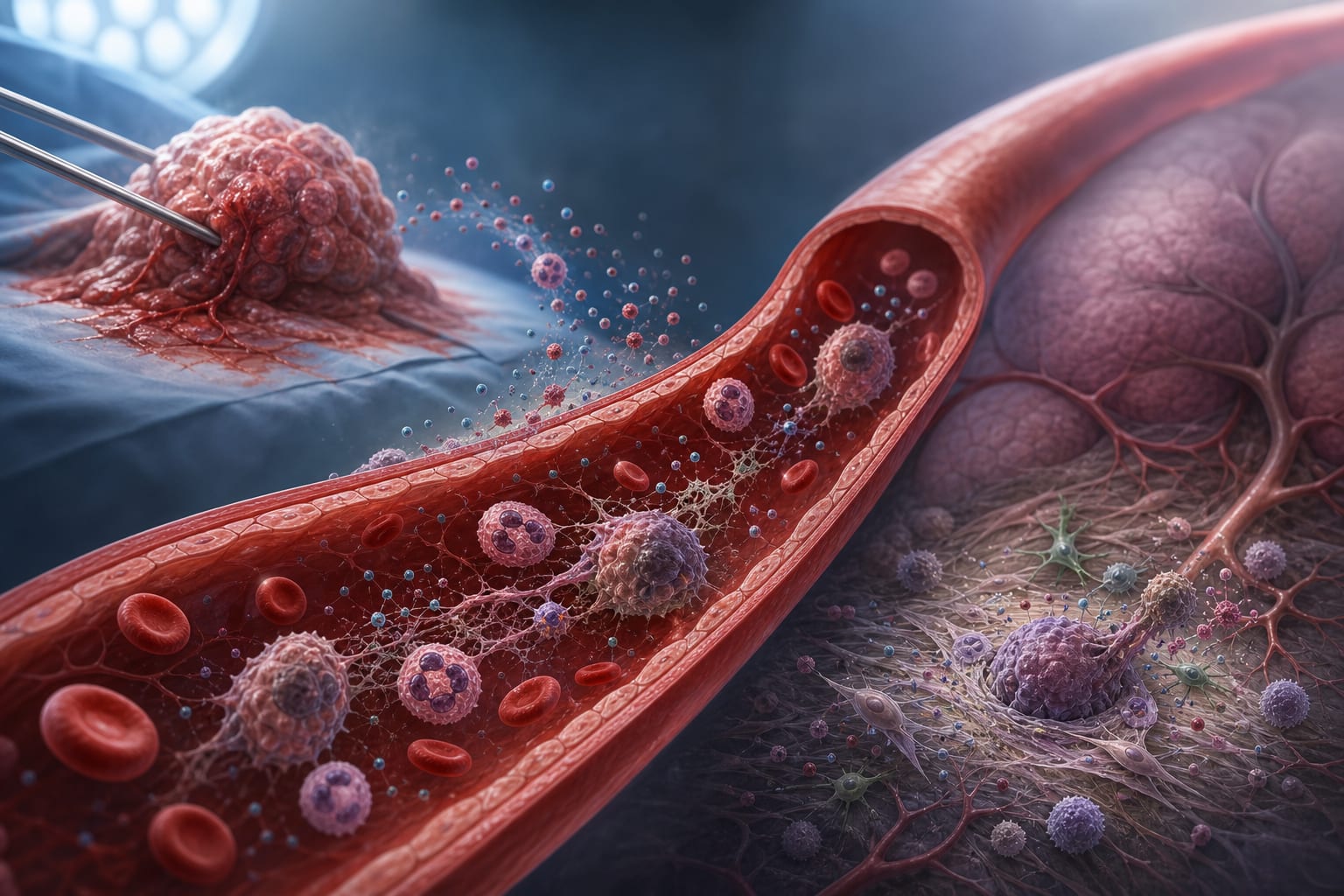
This review highlights the complex interplay between surgical interventions and cancer metastasis, emphasizing the perioperative period as a critical phase influencing metastatic progression. Key mechanisms include inflammation, immune suppression, and the role of circulating tumor cells.
Background
Cancer metastasis is the leading cause of cancer-related mortality, making it crucial to understand factors influencing its progression. The perioperative period, marked by surgical stress and biological changes, presents unique challenges and opportunities for intervention. Insights into these mechanisms can inform strategies to mitigate metastatic risk and improve patient outcomes.
Data Highlights
No specific numerical data provided in the article.
Key Findings
Surgery induces systemic inflammation and immune suppression, which can enhance tumor cell dissemination.
Circulating tumor cells (CTCs) and micrometastases are influenced by surgical stress responses.
Perioperative inflammatory responses involve cytokines like IL-6 and TNF-α, promoting tumor survival and metastasis.
Emerging strategies such as prehabilitation and immunomodulation may reduce metastatic vulnerability during the perioperative period.
Minimally invasive surgical approaches may mitigate surgery-associated metastatic risks.
Clinical Implications
Understanding the biological mechanisms linking surgery to metastasis can guide the development of perioperative strategies aimed at reducing metastatic risk. Clinicians should consider integrating prehabilitation and immunotherapy into surgical care to enhance patient resilience and recovery.
Conclusion
A comprehensive understanding of the perioperative biological changes can lead to improved surgical oncology strategies, ultimately aiming to reduce metastatic risk and enhance long-term outcomes for cancer patients.