Indocyanine green fluorescence angiography in laparoscopic sigmoid and rectal cancer surgery: no reduction in anastomotic leakage but a lower incidence of anastomotic strictures. A prospective single-center study - Report - MDSpire
Advertisement
Indocyanine green fluorescence angiography in laparoscopic sigmoid and rectal cancer surgery: no reduction in anastomotic leakage but a lower incidence of anastomotic strictures. A prospective single-center study
Clinical Report: The Role of Indocyanine Green Fluorescence Angiography in Laparoscopic Surgery
Overview
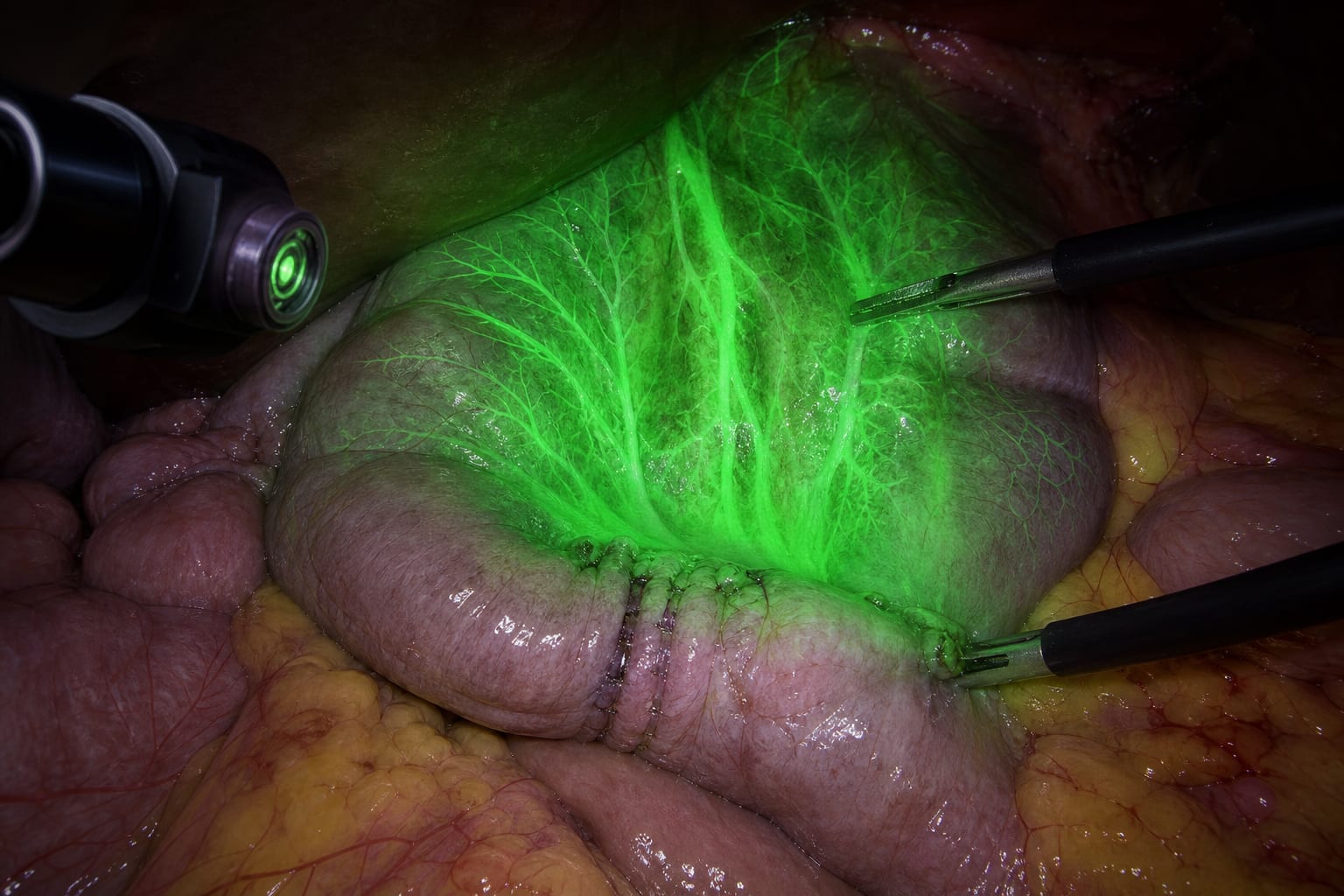
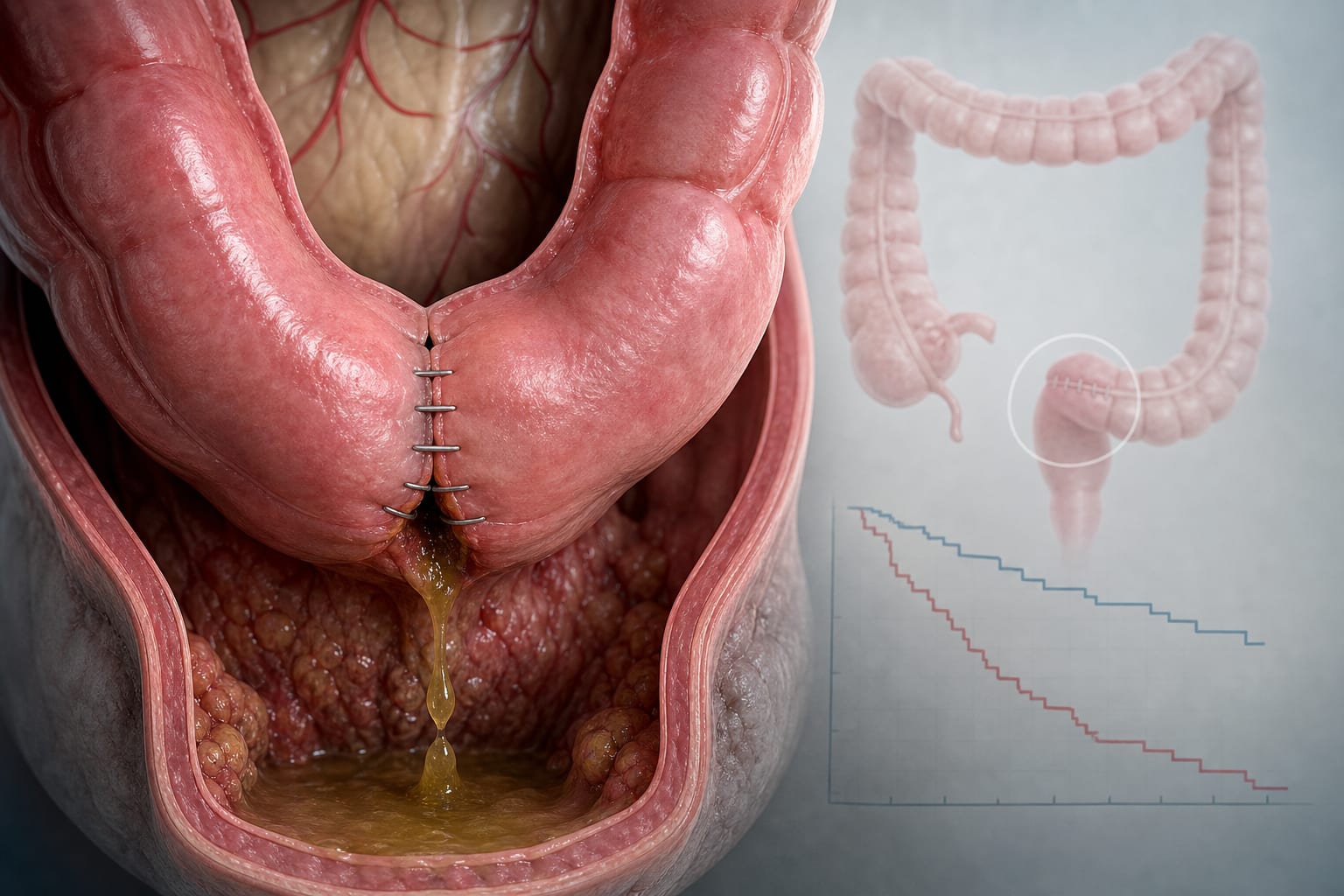
This study evaluates the impact of indocyanine green fluorescence angiography (ICG-FA) on anastomotic leakage and strictures in laparoscopic sigmoid and rectal cancer surgeries. ICG-FA did not significantly reduce anastomotic leakage rates.
Background
Anastomotic leakage (AL) is a critical complication following colorectal surgery, linked to increased morbidity and poorer oncologic outcomes. The assessment of bowel perfusion during surgery is essential for optimal healing, yet traditional methods are subjective and may overlook perfusion deficits. ICG-FA offers a real-time, objective assessment of tissue perfusion, which may influence surgical outcomes.
Data Highlights
Outcome
ICG-FA Group
Control Group
P-value
Anastomotic Leakage Rate
14.7%
12.7%
0.768
Anastomotic Stricture Rate
0%
11.4%
0.050
Key Findings
No significant difference in anastomotic leakage rates between ICG-FA and control groups (14.7% vs. 12.7%, p = 0.768).
ICG-FA group had a significantly lower incidence of anastomotic strictures (0% vs. 11.4%, p = 0.050).
Other postoperative outcomes, including reoperation rates and length of hospital stay, were similar between groups.
Further multicenter studies are needed to validate these findings.
Clinical Implications
Surgeons should consider incorporating ICG-FA for enhanced assessment of bowel perfusion.
Conclusion
Intraoperative ICG-FA does not significantly reduce anastomotic leakage but is associated with a lower incidence of strictures, suggesting potential benefits in anastomotic healing.