Correction: Integrative analysis links traditional Chinese medicine syndrome differentiation to multi-dimensional skin phenotypes and predicts therapeutic response in photographs - Report - MDSpire
Advertisement
Correction: Integrative analysis links traditional Chinese medicine syndrome differentiation to multi-dimensional skin phenotypes and predicts therapeutic response in photographs
Correction: Integrative Study Connects TCM Syndrome Differentiation with Skin Phenotypes
Overview
This correction addresses errors in author affiliations and study details in a previous publication linking traditional Chinese medicine (TCM) syndrome differentiation with skin phenotypes and treatment outcomes. Key corrections include updates to author affiliations, imaging system names, and study approval dates.
Background
The integration of traditional Chinese medicine (TCM) with modern dermatological practices is essential for enhancing individualized patient care. Accurate syndrome differentiation in TCM can inform treatment strategies.
Data Highlights
No numerical or trial data is presented in the correction.
Key Findings
Correction of author affiliations for Pingmei Shi and Rong Jing.
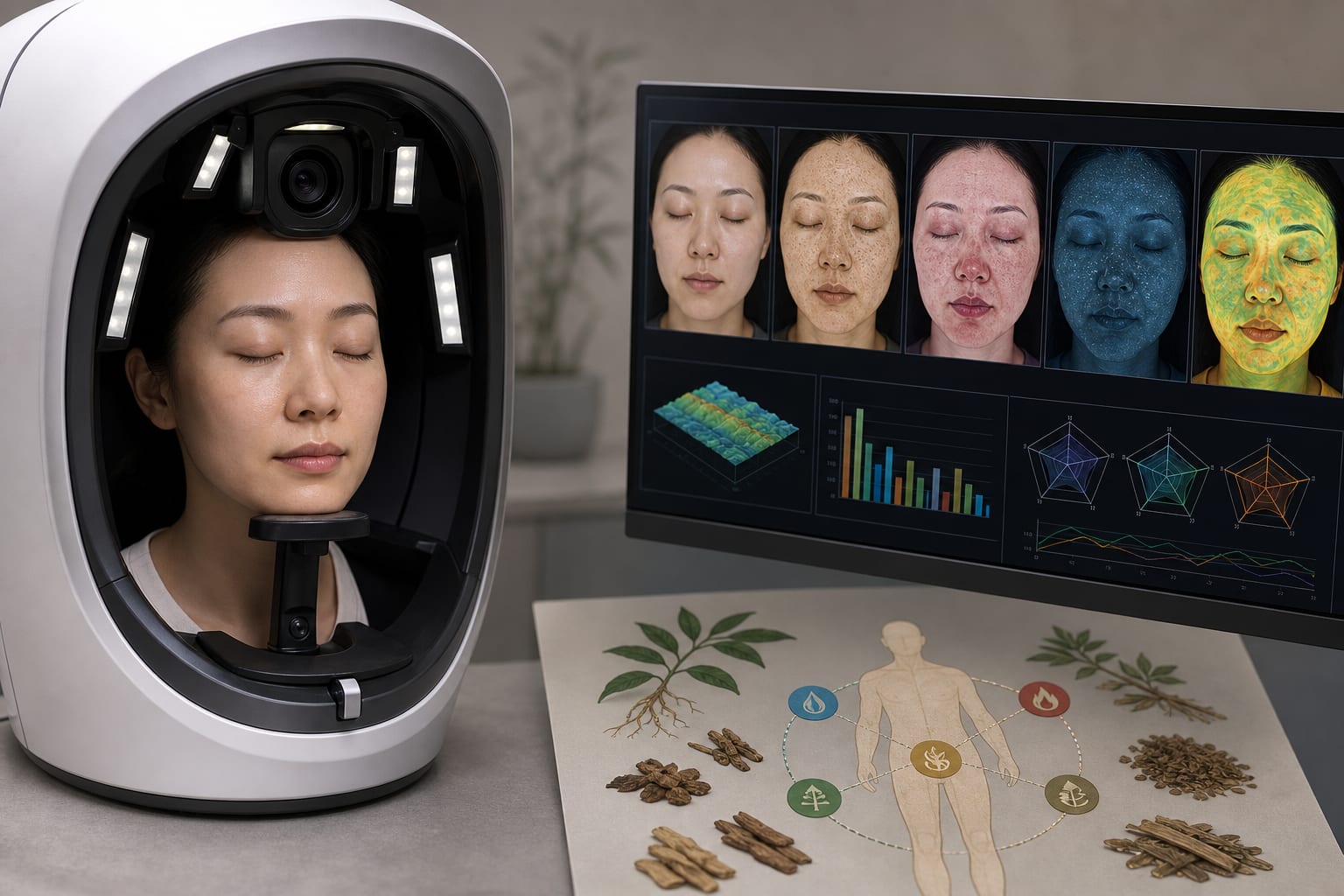
Update of imaging system from Visia® to CBS in study methodology.
Correction of study dates and approval number for the observational cohort study.
Pingmei Shi added as an equal contributing author.
Clarification of the Ethics Committee approval statement.
Clinical Implications
Accurate reporting of affiliations and study details is crucial for the credibility of research in integrative medicine.
Conclusion
This correction rectifies critical errors in the original publication.