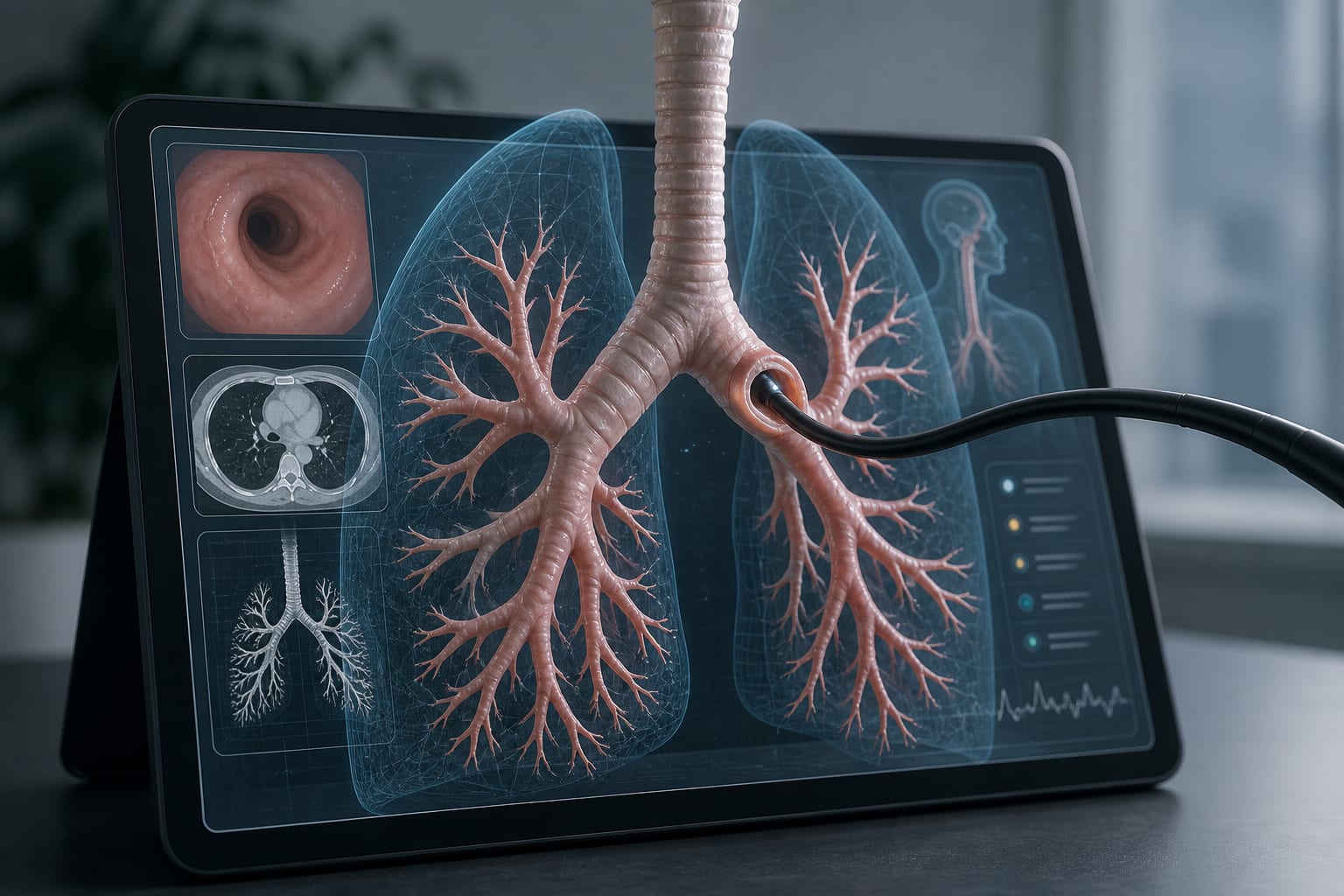
Clinical Report: Utilizing Digital Twin Technology for Risk Communication in Adults
Overview
This multicenter randomized controlled study evaluates the use of digital twin technology to enhance risk communication for adults undergoing elective bronchoscopy.
Background
Informed consent is a critical component of elective bronchoscopy, requiring effective communication of risks and benefits to patients. Traditional consent methods often struggle with patient comprehension due to complex terminology and varying health literacy levels. Digital technologies, such as digital twins, are being explored to improve understanding and potentially enhance patient satisfaction during the consent process.
Data Highlights
No numerical data or trial results were provided in the source material.
Key Findings
Digital twin technology may improve patient comprehension of risks associated with elective bronchoscopy.
Conventional consent methods often fail to adequately address patient anxiety and comprehension issues.
Interactive digital interventions have shown promise in enhancing understanding compared to static formats.
Effective risk communication is essential to ensure valid informed consent in elective procedures.
Patient-centered approaches in consent processes can potentially reduce anxiety and improve satisfaction.
Clinical Implications
Clinicians should consider integrating digital tools into the informed consent process to enhance patient understanding. Improved comprehension may lead to better patient experiences and outcomes during elective bronchoscopy.
Conclusion
The study highlights the potential of digital twin technology in improving risk communication for elective bronchoscopy, emphasizing the need for innovative approaches in patient consent processes.