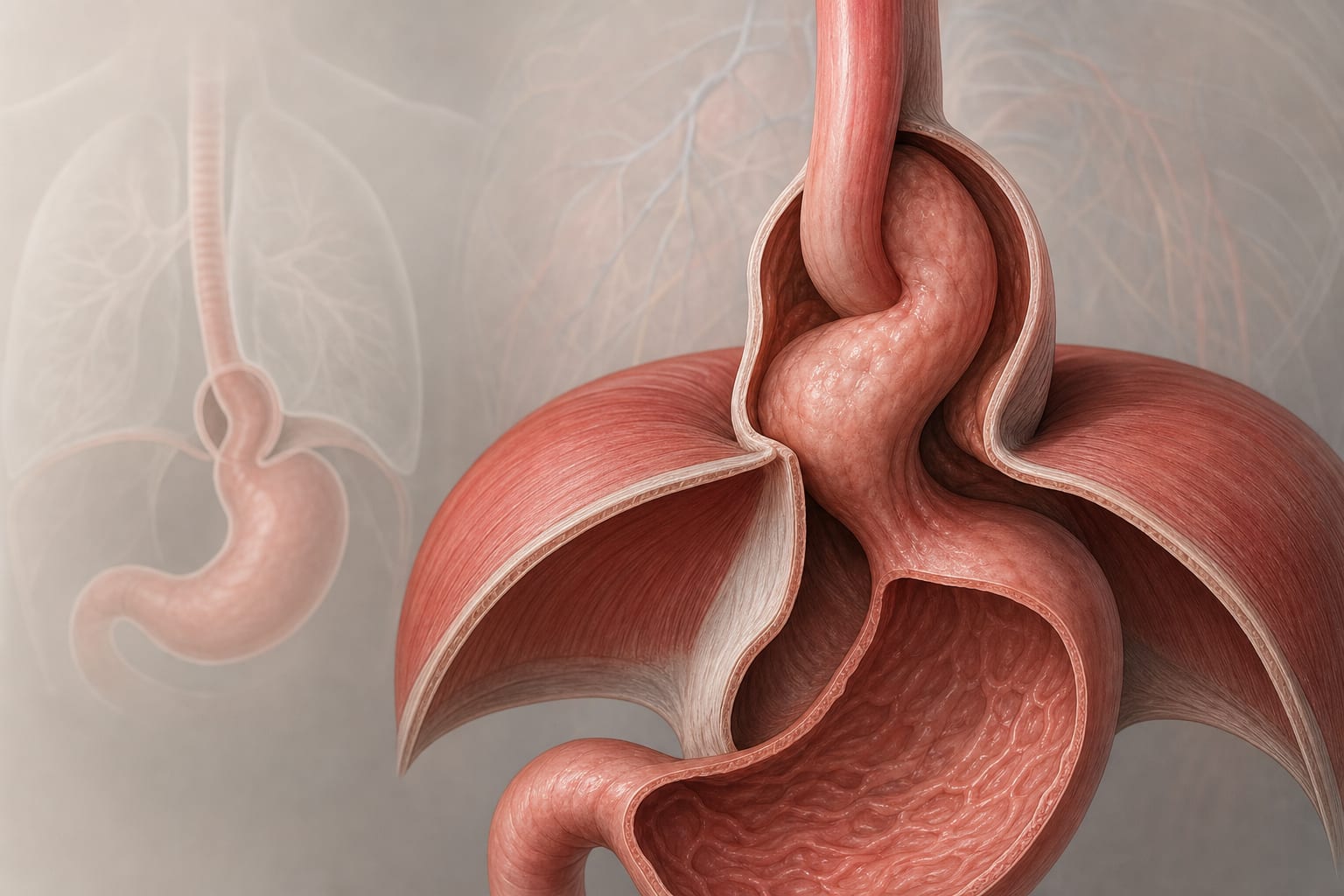
Clinical Report: Assessing the Effects of Ring Augmentation on Sleeve Gastrectomy Outcomes
Overview
This study evaluates the long-term outcomes of Ring-Augmented Sleeve Gastrectomy (RASG) compared to traditional Sleeve Gastrectomy (SG) in patients with morbid obesity. Findings indicate that RASG may enhance weight loss durability and reduce recurrent weight gain without compromising safety.
Background
The rising prevalence of obesity necessitates effective interventions, with sleeve gastrectomy being the most common metabolic and bariatric surgery performed globally. Despite its effectiveness, sleeve gastrectomy is associated with recurrent weight gain, particularly in patients with higher baseline body mass index. Ring augmentation has been proposed as a strategy to mitigate these challenges and improve long-term outcomes.
Data Highlights
This study presents a retrospective cohort analysis comparing RASG and non-ring-augmented sleeve gastrectomy outcomes over a two-year follow-up period.
Key Findings
Ring-Augmented Sleeve Gastrectomy (RASG) may lead to improved long-term excess weight loss compared to non-ring-augmented procedures.
Recurrent weight gain (RWG) rates were lower in patients undergoing RASG.
RASG showed potential benefits in resolving obesity-related comorbidities, including glycemic control and hypertension.
Postoperative complications related to the ring, such as slippage and erosion, require careful monitoring.
Patient adherence to dietary modifications remains crucial for achieving optimal outcomes post-surgery.
Clinical Implications
Healthcare professionals should consider ring augmentation as a viable option for patients at high risk of recurrent weight gain after sleeve gastrectomy. Close postoperative monitoring is essential to manage potential complications associated with the gastric ring.
Conclusion
The findings support the use of RASG as a promising modification of sleeve gastrectomy that may enhance weight loss durability and improve patient outcomes. Further studies are warranted to confirm these benefits and assess long-term safety.