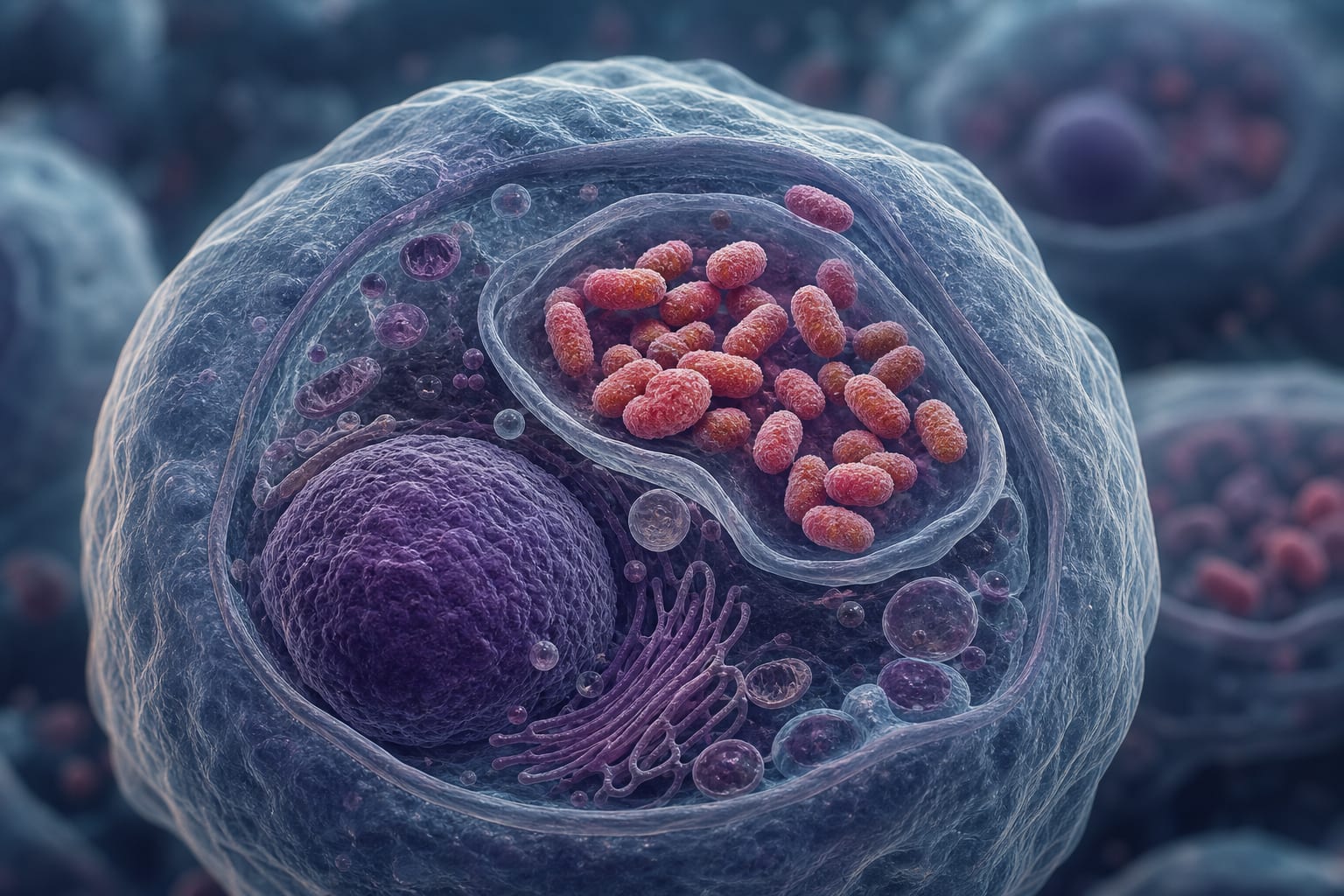
Clinical Report: Linking Mitochondrial Dysfunction to Post-Sepsis Syndrome Manifestations
Overview
Post-Sepsis Syndrome (PSS) encompasses chronic symptoms such as fatigue, immunosuppression, and cognitive decline, with emerging evidence implicating mitochondrial dysfunction as a central pathophysiological mechanism. Persistent inflammation, immunothrombosis, and cellular energy failure driven by mitochondrial damage contribute to the long-term clinical sequelae observed in sepsis survivors.
Background
Sepsis survival rates have improved, yet many patients experience long-term complications collectively termed Post-Sepsis Syndrome (PSS). This syndrome includes diverse manifestations like neuromuscular impairment and cognitive decline, whose molecular underpinnings remain incompletely understood. Recent research highlights overlapping features between PSS and Persistent Inflammation, Immunosuppression, and Catabolism syndrome (PICS), suggesting shared pathophysiological pathways. Central to these processes is mitochondrial dysfunction, which disrupts energy metabolism and perpetuates inflammation and immune dysregulation.
Data Highlights
Key molecular contributors to PSS include:
Neutrophil extracellular traps (NETs) releasing mitochondrial DNA and tissue-factor-positive vesicles that sustain inflammation and immunothrombosis.
Accumulation of reactive oxygen and nitrogen species impairing mitochondrial respiration and ATP production.
Damage-associated molecular patterns (DAMPs) activating immune receptors such as TLR4 and NLRP3 inflammasome, perpetuating inflammation.
Persistent activation of NF-κB, MAPK, and JAK/STAT pathways leading to long-term immune dysregulation and immunosuppression.
Key Findings
Persistent NETs contribute to a prothrombotic and pro-inflammatory state post-sepsis through mitochondrial DNA and tissue-factor-bearing vesicles.
Mitochondrial dysfunction, driven by oxidative and nitrosative stress, leads to cellular energy failure and sustained tissue injury.
DAMPs released from damaged mitochondria activate innate immune receptors, maintaining chronic inflammation.
Epigenetic reprogramming and sustained signaling via NF-κB, MAPK, and JAK/STAT pathways underlie prolonged immune impairment in PSS.
Overlap between PSS and PICS phenotypes suggests common mitochondrial and inflammatory mechanisms.
Long-term metabolic disturbances in high-energy organs contribute to persistent organ dysfunction in sepsis survivors.
Clinical Implications
Recognition of mitochondrial dysfunction as a central mechanism in PSS highlights potential targets for therapeutic intervention aimed at restoring cellular energy metabolism and modulating chronic inflammation. Clinicians should be aware of the overlapping phenotypes and persistent immune dysregulation in sepsis survivors to guide monitoring and management strategies. Early identification of biomarkers related to mitochondrial injury and immune activation may facilitate timely interventions to improve long-term outcomes.
Conclusion
Post-Sepsis Syndrome represents a complex, multifactorial condition with mitochondrial dysfunction at its core, linking cellular injury to diverse clinical manifestations. Advancing understanding of these molecular pathways is critical for developing targeted therapies and improving survivorship care.
References
Retter et al. -- Role of NETs and mitochondrial DNA in sepsis-related immunothrombosis
Studies [7] and [8] -- Mitochondrial dysfunction in post-sepsis syndrome pathogenesis
Research on DAMPs and immune receptor activation [11-13]
Investigations into NF-κB, MAPK, and JAK/STAT pathways in post-sepsis immune dysregulation [14,15]
Global sepsis epidemiology and clinical burden [16,19]
Invited narrative review supports early, interprofessional rehabilitation across the ICU recovery continuum while emphasizing heterogeneous evidence and inconsistent implementation worldwide.