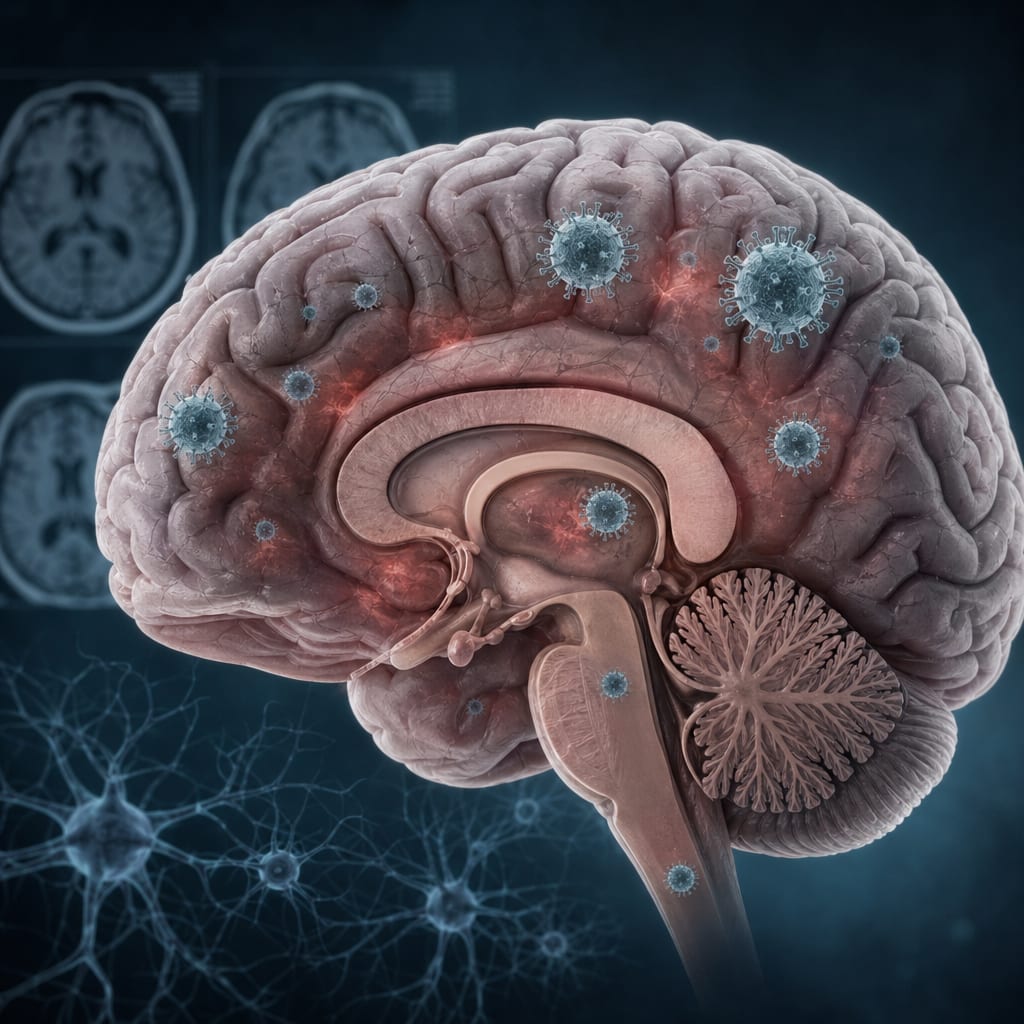
Clinical Report: Neurological Disorders in HIV Patients During the HAART Era
Overview
This multicenter cross-sectional study identifies the prevalence and types of neurological disorders in HIV patients during the HAART era. Key findings include a high incidence of intracranial infections and cognitive impairment among individuals with HIV.
Background
Neurological disorders in HIV patients are significant due to their impact on quality of life and disease management. Despite advancements in treatment with HAART, neurological symptoms remain prevalent and can often be the first indication of HIV infection. Understanding these manifestations is crucial for timely diagnosis and intervention.
Data Highlights
{'format': 'Ensure proper HTML table structure.', 'content': "Verify all percentages match the study's findings."}
Key Findings
{'content': 'Add statistical significance for findings across HIV stages.'}
Clinical Implications
Healthcare providers should be vigilant for neurological symptoms in HIV patients, as these may indicate the presence of HIV or its complications. Early screening and diagnosis can lead to better management of neurological disorders and improve patient outcomes.
Conclusion
The study underscores the importance of recognizing neurological symptoms as potential indicators of HIV infection. Continued research and awareness are essential for improving care in this population.