Perioperative substance P/NK1R pharmacology: from PONV control to a testable cancer neuro-immune hypothesis - Report - MDSpire

Perioperative substance P/NK1R pharmacology: from PONV control to a testable cancer neuro-immune hypothesis

  • By

  • Jing Zhao

  • Zhongwei Liu

  • Jun Wang

  • July 16, 2026

Share

Clinical Report: Pharmacological Role of Substance P/NK1R in PONV Management

Background

The perioperative period is a critical time that can influence cancer outcomes due to various biological processes. PONV is a common complication during this time, and NK1R antagonists are established as effective antiemetic agents for high-risk patients. Understanding the pharmacology of SP/NK1R signaling may provide insights into its role in managing PONV.

Data Highlights

No numerical data or trial results are presented in the source material.

Key Findings

  • NK1R antagonists are effective antiemetic agents for selected high-risk patients experiencing PONV.
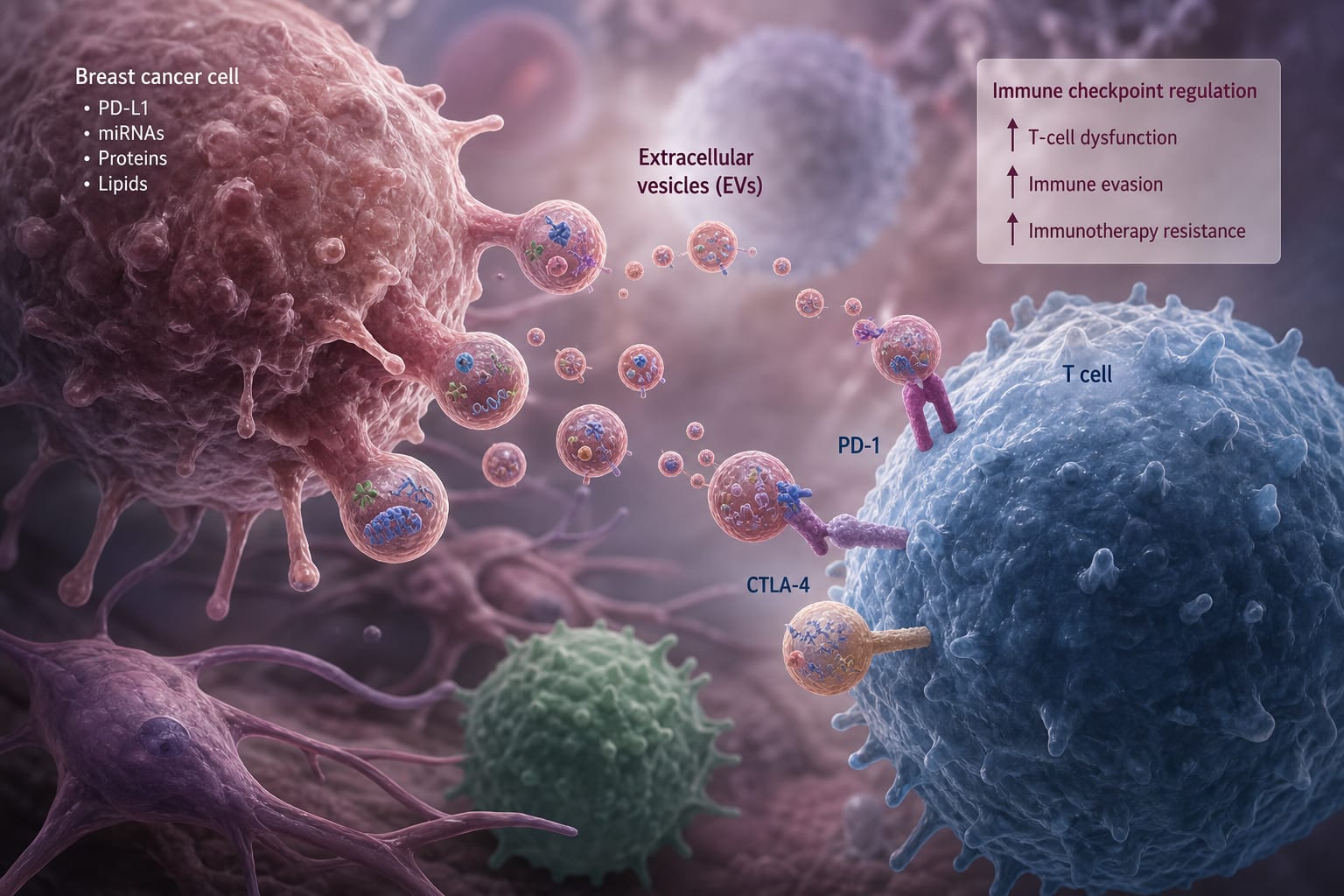
  • Substance P can activate tumoral TACR1 in breast cancer models.
  • Neural injury may affect checkpoint responsiveness in cancer, but the mechanisms differ from SP/NK1R signaling.
  • Current evidence does not establish that NK1R blockade reduces cancer recurrence or metastasis.
  • Future research should focus on biomarker-embedded perioperative studies to explore the role of SP/NK1R signaling in cancer outcomes.

Clinical Implications

Healthcare professionals should consider the role of NK1R antagonists in managing PONV. Further research is needed to clarify the implications of SP/NK1R signaling in cancer biology during the perioperative period.

Conclusion

The pharmacological role of SP/NK1R in the perioperative setting presents a hypothesis for further investigation, though it is not yet validated as an oncologic intervention.

Related Resources & Content

  1. Author(s)/Org, Source, Year -- Title
  2. The Role of Anaesthesia in Tumour Development and Progression
  3. Frontiers in Immunology — Epidermal growth factor receptor signaling modulates postoperative pain and inflammatory responses
  4. The Role of Neural Mechanisms in the Advancement of Colorectal Cancer and Treatment Approaches
  5. Frontiers in Immunology — Multi-Omics Investigation of Perineural Invasion in Head and Neck Squamous Cell Carcinoma: Neuroimmune Mechanisms and Clinical Implications
  6. The Role of Anaesthesia in Tumour Development and Progression
  7. Epidermal growth factor receptor signaling modulates postoperative pain and inflammatory responses
  8. The Role of Neural Mechanisms in the Advancement of Colorectal Cancer and Treatment Approaches
  9. https://cdn-links.lww.com/permalink/aa/f/aa_1_1_2025_09_14_gan_aa-d-25-00465_sdc1.pdf
  10. Aprepitant and fosaprepitant as a prophylactic antiemetic for preventing postoperative nausea and vomiting after general anaesthesia: a systematic review and meta-analysis - PMC
  11. Neurokinin-1 receptor antagonism as a potential therapeutic strategy for cancer treatment; enhancing anti-tumor efficacy while mitigating treatment-related toxicities | npj Precision Oncology

Original Source(s)

Related Content