Clinical Report: Ocular Surface Disease Treatments in the Pipeline
Overview
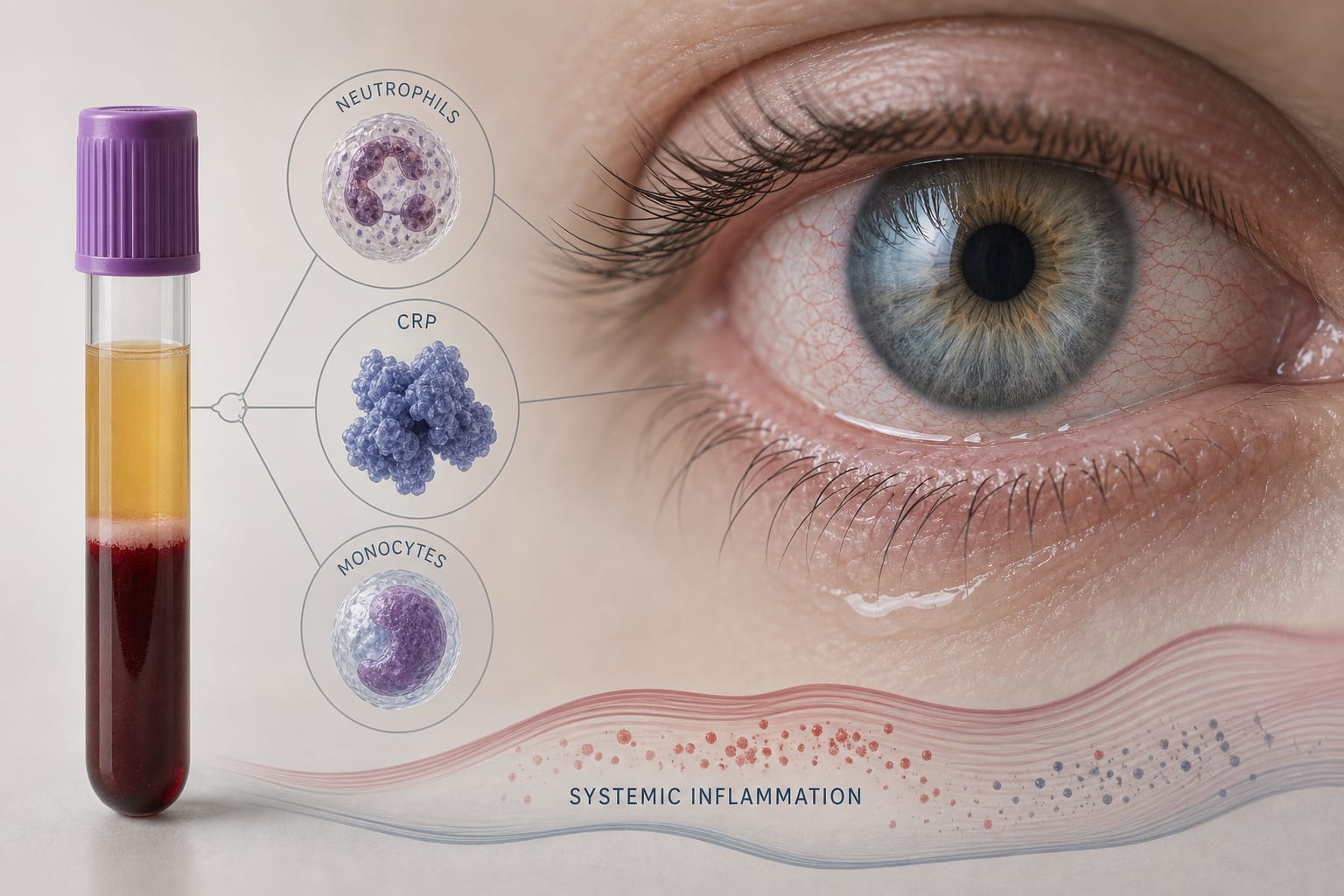
Recent advancements in ocular surface disease (OSD) treatments highlight a shift towards tailored therapeutic approaches. With over 20 million individuals affected by dry eye disease (DED) in the U.S. alone, innovative therapies targeting inflammation and tear production are emerging, promising improved patient outcomes.
Background
Ocular surface disease represents a significant clinical challenge due to its multifactorial nature and high prevalence. The understanding of DED has evolved, recognizing it as an inflammatory condition that requires a nuanced approach to treatment. As the market for dry eye therapies expands, new mechanisms of action and delivery systems are being developed to better address patient needs.
Data Highlights
No numerical data provided in the source material.
Key Findings
Ocular surface disease affects over 20 million individuals in the U.S. and approximately 350 million globally.
Recent treatments include Bausch + Lomb’s Miebo, which improves tear film breakup time and meibomian gland functionality.
Tarsus Pharmaceutical’s Xdemvy targets Demodex blepharitis, addressing a significant contributor to ocular surface inflammation.
AbbVie’s reproxalap, a RASP inhibitor, shows promise in Phase 3 trials for symptom reduction in DED.
Alcon’s AR-15512, a TRPM8 agonist, aims to stimulate tear production through trigeminal nerve activity.
Guidelines emphasize subtype-directed therapy and a mixed-mechanism approach for effective OSD management.
Clinical Implications
Clinicians should adopt a multifaceted approach to diagnosing and treating ocular surface disease, considering the various subtypes and underlying mechanisms. The emergence of new therapies offers opportunities to tailor treatments to individual patient needs, potentially improving quality of life for those affected by DED.
Conclusion
The evolving landscape of ocular surface disease treatments presents significant opportunities for improved patient care. Continued advancements in understanding and managing this condition will likely lead to more effective therapeutic strategies.
More than 300 professionals gathered for three days of innovation, education, and collaboration, highlighting the latest advances in ophthalmic technology and clinical practice