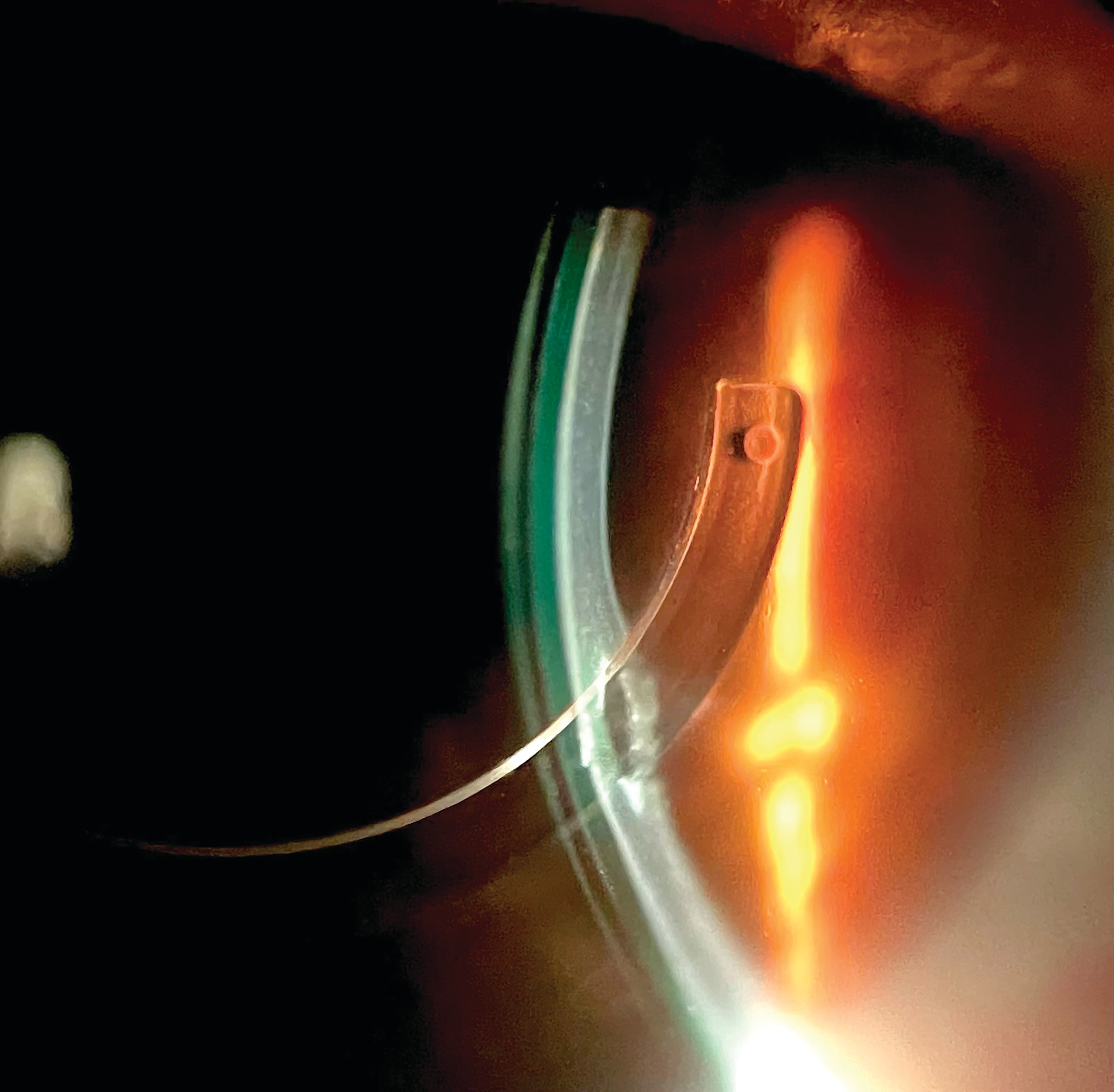
Clinical Report: Polarization-Sensitive OCT Targets Subclinical Keratoconus
Overview
A study demonstrates that polarization-sensitive optical coherence tomography (PS-OCT) combined with artificial intelligence can enhance the diagnosis of subclinical keratoconus.
Background
Detecting subclinical keratoconus is crucial for preventing complications during refractive surgery and for assessing candidacy for treatments like corneal cross-linking. Traditional imaging techniques have limitations in identifying early microstructural changes associated with keratoconus.
Data Highlights
Imaging Modality
Accuracy
Subclinical Classification
PS-OCT
82%
43 of 109 classified as healthy
Pentacam
86%
30 of 109 classified as healthy
MS-39
86%
33 of 109 classified as healthy
Key Findings
PS-OCT achieved an overall accuracy of 82% in diagnosing keratoconus.
Pentacam and MS-39 both achieved an accuracy of 86%.
PS-OCT classified 43 out of 109 subclinical keratoconus eyes as healthy.
In highly asymmetric keratoconus cases, PS-OCT classified 21 out of 33 fellow eyes as healthy.
PS-OCT identified subtle keratoconus cases that were misclassified by tomography-based models.
Clinical Implications
The findings indicate that PS-OCT may serve as a complementary tool to existing imaging modalities.
Conclusion
PS-OCT shows potential for enhancing the detection of subclinical keratoconus, warranting further prospective studies to evaluate its predictive capabilities regarding disease progression.