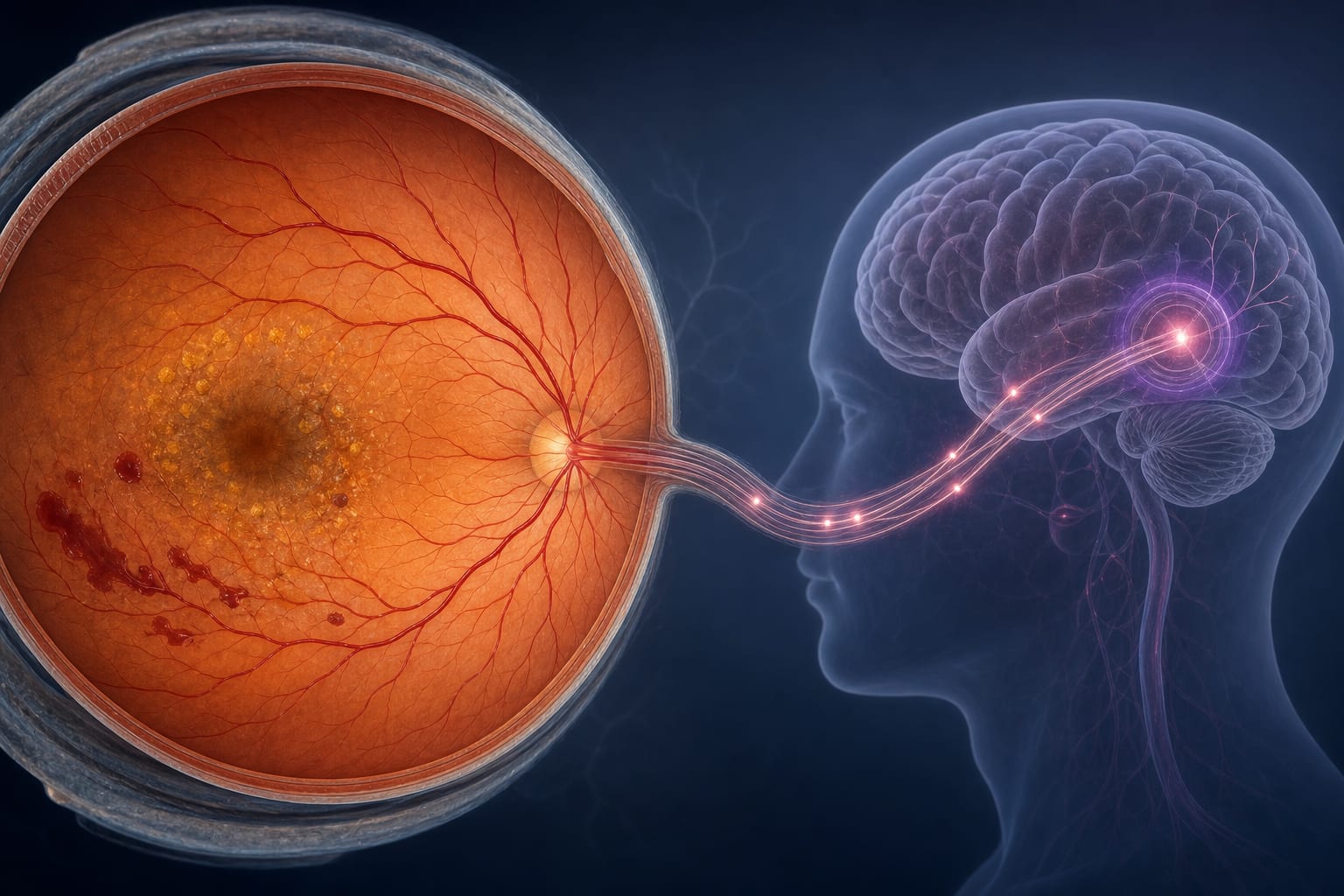
Clinical Report: Evaluating the Impact of Integrating Case-Based Learning with ChatGPT in Ophthalmology Education
Overview
This study evaluates the effectiveness of a case-based learning model integrated with ChatGPT in ophthalmology education, showing significant improvements in theoretical knowledge and case analysis scores compared to traditional lecture-based methods.
Background
The integration of artificial intelligence in medical education is gaining traction, particularly in enhancing interactive and learner-centered environments. Traditional teaching methods in ophthalmology often fall short in fostering clinical reasoning and individualized learning, necessitating innovative approaches. Case-based learning has been recognized for promoting active engagement and contextual learning.
Data Highlights
Group
Theoretical Exam Scores
Case Analysis Scores
Overall Satisfaction Rate
CBL + ChatGPT
86.4 ± 5.2
84.7 ± 6.3
89.8%
Traditional Lecture
78.9 ± 6.1
74.2 ± 7.5
63.3%
Key Findings
The experimental group (CBL + ChatGPT) had significantly higher theoretical examination scores than the control group (P < 0.01).
Case analysis scores were also higher in the experimental group (P < 0.01).
Recognition rates across seven evaluation dimensions were significantly higher in the experimental group (all P < 0.05).
Overall satisfaction was 89.8% in the experimental group compared to 63.3% in the control group (P < 0.01).
Students with weaker academic foundations showed the greatest improvement in scores (+12.3 points, P < 0.01).
These students reported higher recognition of personalized learning experiences compared to those with stronger academic backgrounds (95.2% vs. 81.2%, P < 0.05).
Clinical Implications
The integration of ChatGPT into case-based learning may enhance educational outcomes in ophthalmology, particularly for students with varying academic foundations. This approach could inform future curriculum designs to foster better engagement and learning in medical education.
Conclusion
The study demonstrates that a case-based learning model integrated with ChatGPT significantly enhances both learning outcomes in ophthalmology education.
In partnership with members and industry stakeholders, OOSS supports strategies that enhance patient and physician experience, drive operational performance, and enable long-term growth.