Clinical Report: Management Strategies for High-Grade Astrocytoma Exhibiting Piloid Characteristics
Overview
This report details a rare case of high-grade astrocytoma with piloid features (HGAP) in a 35-year-old female, highlighting the clinical presentation, diagnostic challenges, and treatment strategies. The patient underwent surgical resection followed by radiotherapy and chemotherapy, with early postoperative radiological progression observed.
Background
High-grade astrocytoma with piloid features (HGAP) is a newly classified and aggressive brain tumor, recognized for its distinct DNA methylation profile. Its rarity and the limited therapeutic experience necessitate further exploration of management strategies. Understanding HGAP is crucial for improving diagnostic accuracy and treatment outcomes in affected patients.
Data Highlights
No numerical data or trial data available in the article.
Key Findings
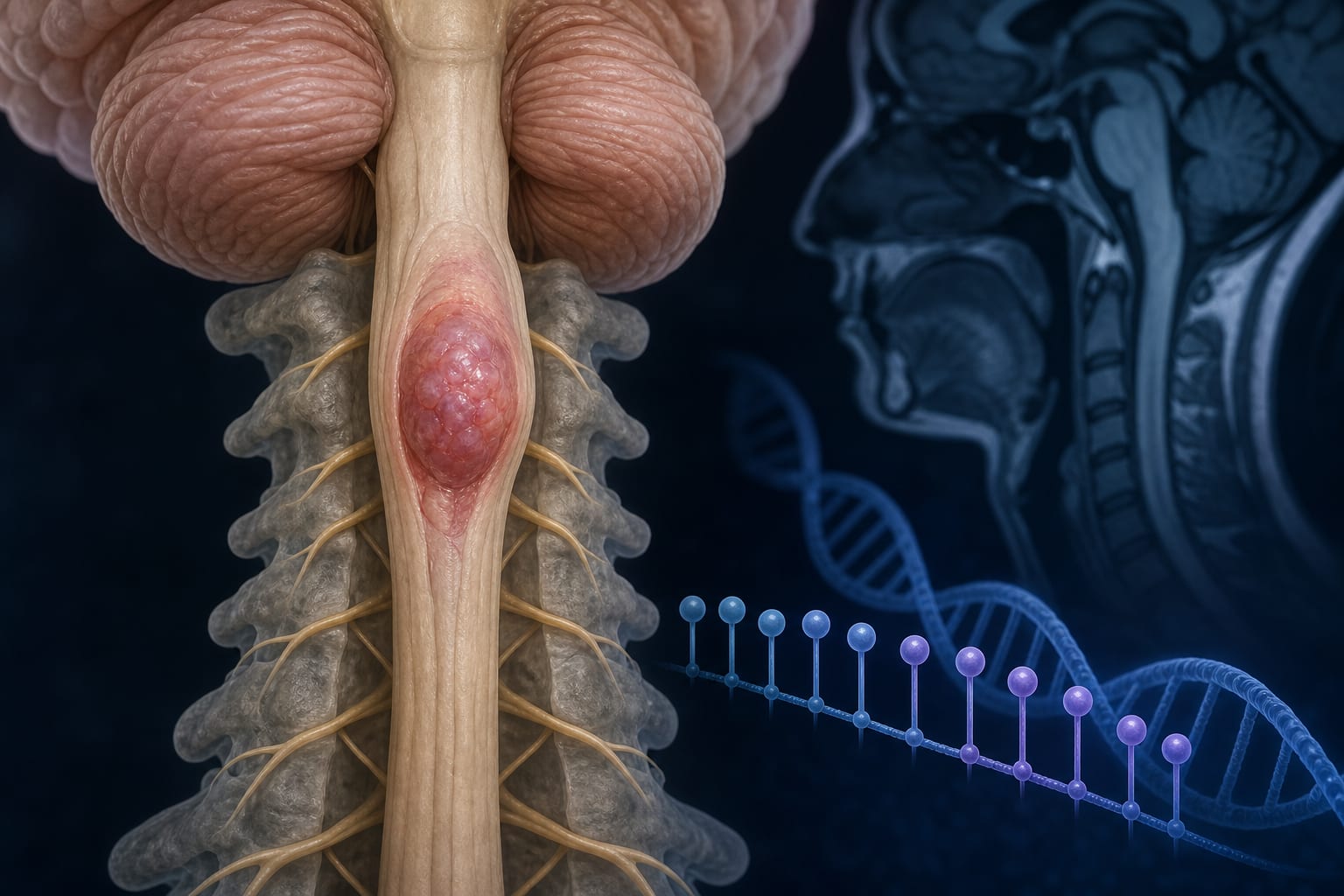
The patient presented with progressive numbness and imaging revealed an intramedullary tumor at the cervicomedullary junction.
Histopathological analysis confirmed anaplastic glioma, with DNA methylation profiling establishing the diagnosis of HGAP.
Postoperative MRI indicated radiological progression at the surgical margin one month after surgery.
Molecular testing revealed homozygous deletion of CDKN2A/B and KIAA1549-BRAF gene fusion.
The patient received adjuvant radiotherapy and concomitant temozolomide chemotherapy.
Clinical Implications
This case underscores the importance of comprehensive molecular profiling in diagnosing and managing HGAP. Clinicians should be aware of the potential for early postoperative progression and consider aggressive treatment strategies, including adjuvant therapies, to improve patient outcomes.
Conclusion
The management of HGAP remains challenging due to its aggressive nature and limited clinical experience. Ongoing research and case studies are essential for refining treatment protocols and improving prognostic understanding.