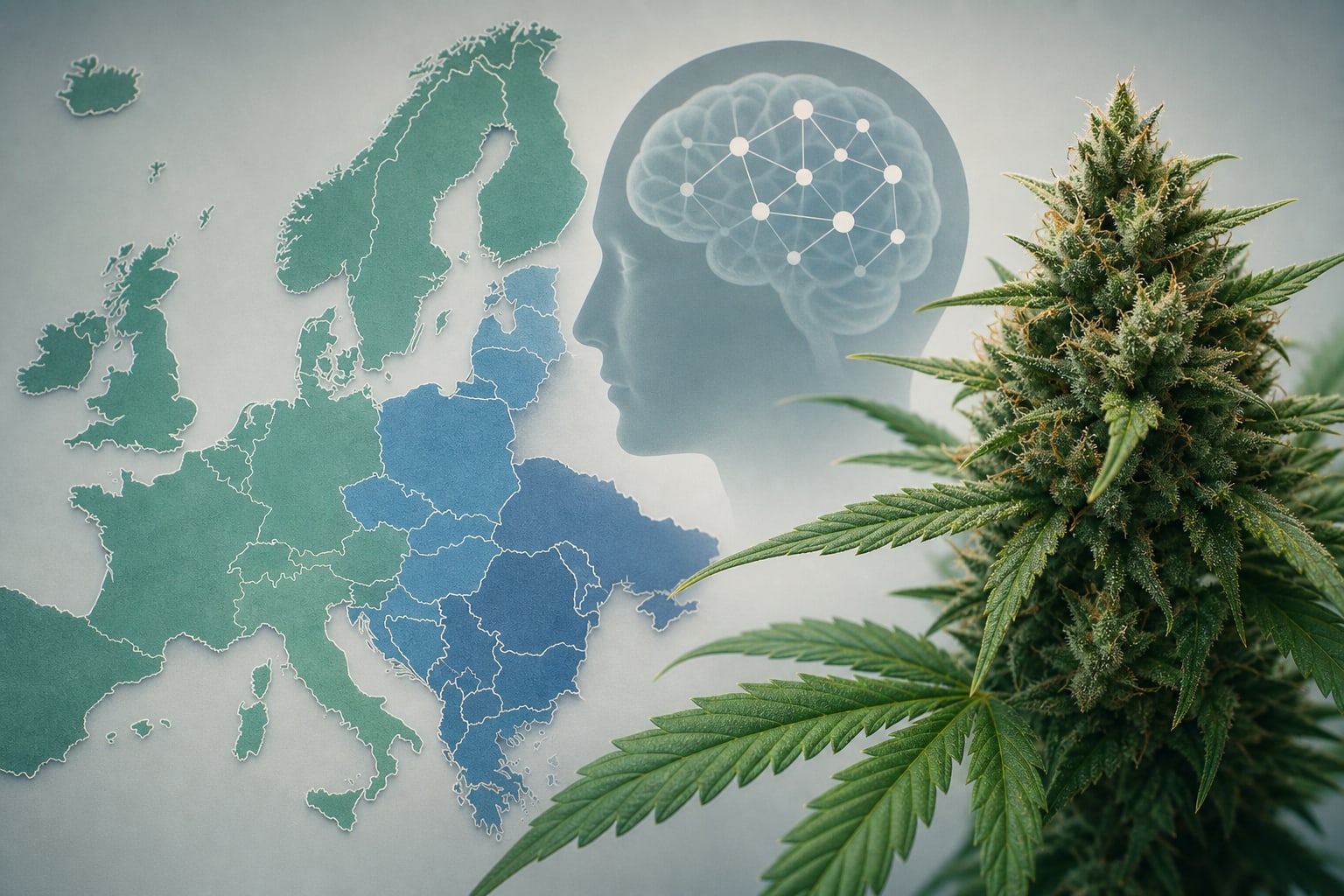
Clinical Report: Impact of Modern Cannabis Consumption on Mental Health in Europe
Overview
Cannabis use in Europe has risen significantly, particularly high-potency THC products, correlating with increased psychiatric issues. Disparities in health system responses across regions contribute to underreporting and mismanagement of cannabis-related mental health complications.
Background
Cannabis remains the most commonly used illicit psychoactive substance in Europe, with a notable increase in prevalence over the past decade. The shift towards high-potency cannabis products poses heightened risks for psychiatric disorders, particularly among vulnerable populations. Understanding these trends is crucial for improving health system responses and addressing the mental health burden associated with cannabis use.
Data Highlights
No numerical data available in the source material.
Key Findings
Cannabis use in Europe has increased by 40-50% over the past decade.
High-potency cannabis (>15-25% THC) is linked to elevated risks of psychosis, anxiety, and cannabis use disorder.
Western Europe has better detection and management of cannabis-related psychiatric issues compared to Central and Eastern Europe.
Stigma and inconsistent diagnostic practices in Central and Eastern Europe contribute to underreporting of cannabis-related mental health problems.
Health systems across Europe vary widely in their preparedness to address cannabis-related mental health issues.
Clinical Implications
Healthcare professionals should be aware of the increasing prevalence of high-potency cannabis and its associated mental health risks. Enhanced monitoring and standardized diagnostic practices are essential for effective management of cannabis-related psychiatric complications.
Conclusion
The rising use of high-potency cannabis in Europe is linked to a growing mental health burden, necessitating improved health system responses and coordinated efforts to address these challenges.