Clinical Report: Rethinking Small Cell Lung Cancer Treatment Strategies
Overview
This report discusses the aggressive nature of small cell lung cancer (SCLC) and its shared biological and therapeutic characteristics with hematologic malignancies. It highlights the importance of understanding tumor plasticity and the potential for novel therapeutic strategies, including antigen-directed therapies and epigenetic modulation.
Background
Small cell lung cancer (SCLC) accounts for 10-15% of lung cancers and is associated with high mortality rates, with a 5-year survival of approximately 9%. Despite improvements in treatment with immune checkpoint inhibitors, the disease remains challenging due to its rapid progression and dynamic tumor states. Understanding SCLC through the lens of hematologic malignancies may provide new insights into effective treatment strategies.
Data Highlights
No numerical data provided in the source material.
Key Findings
SCLC exhibits dynamic transitions between neuroendocrine and non-neuroendocrine states, affecting treatment response.
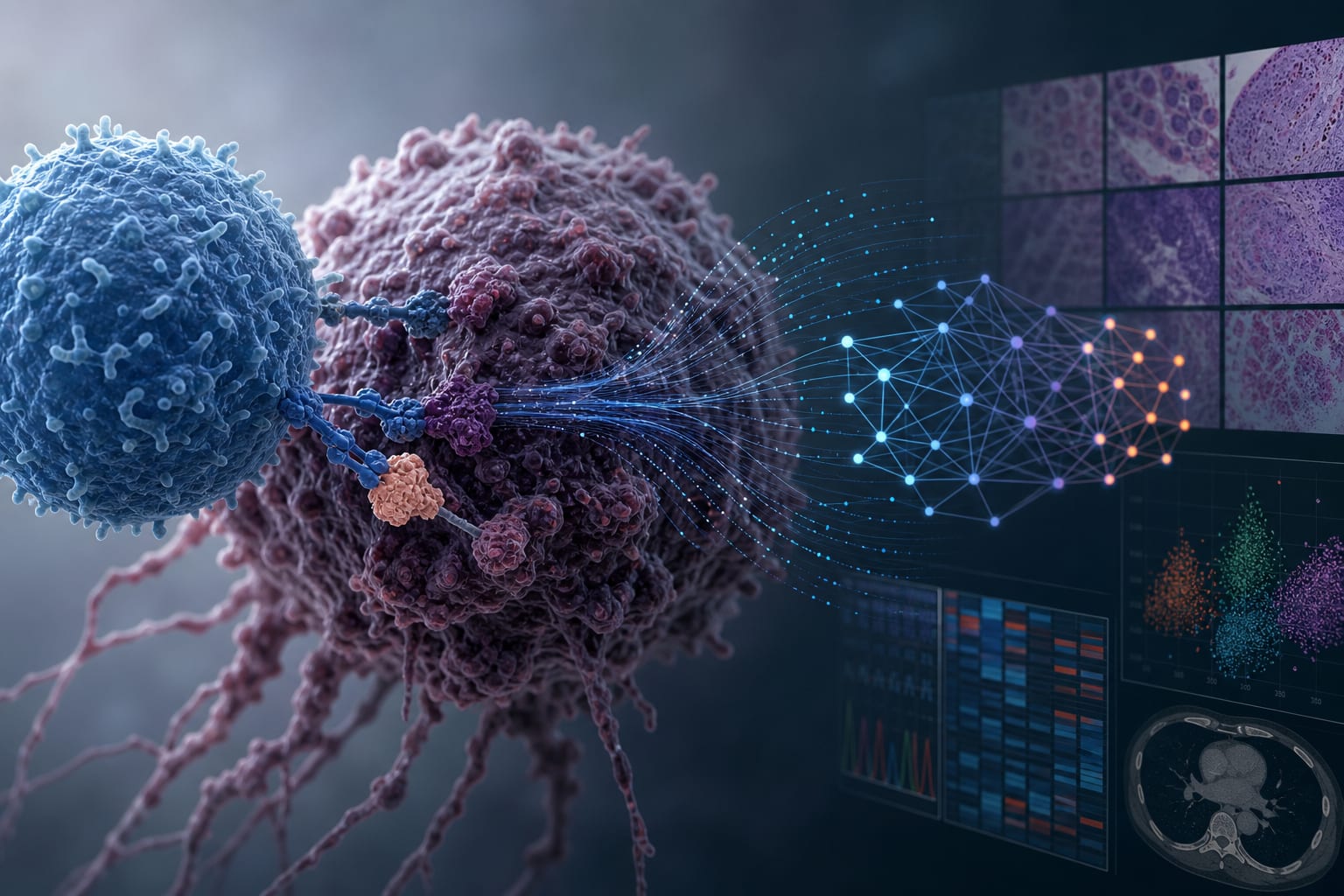
Recent advances in antigen-directed therapies, such as bispecific T cell engagers, show promise in treating SCLC.
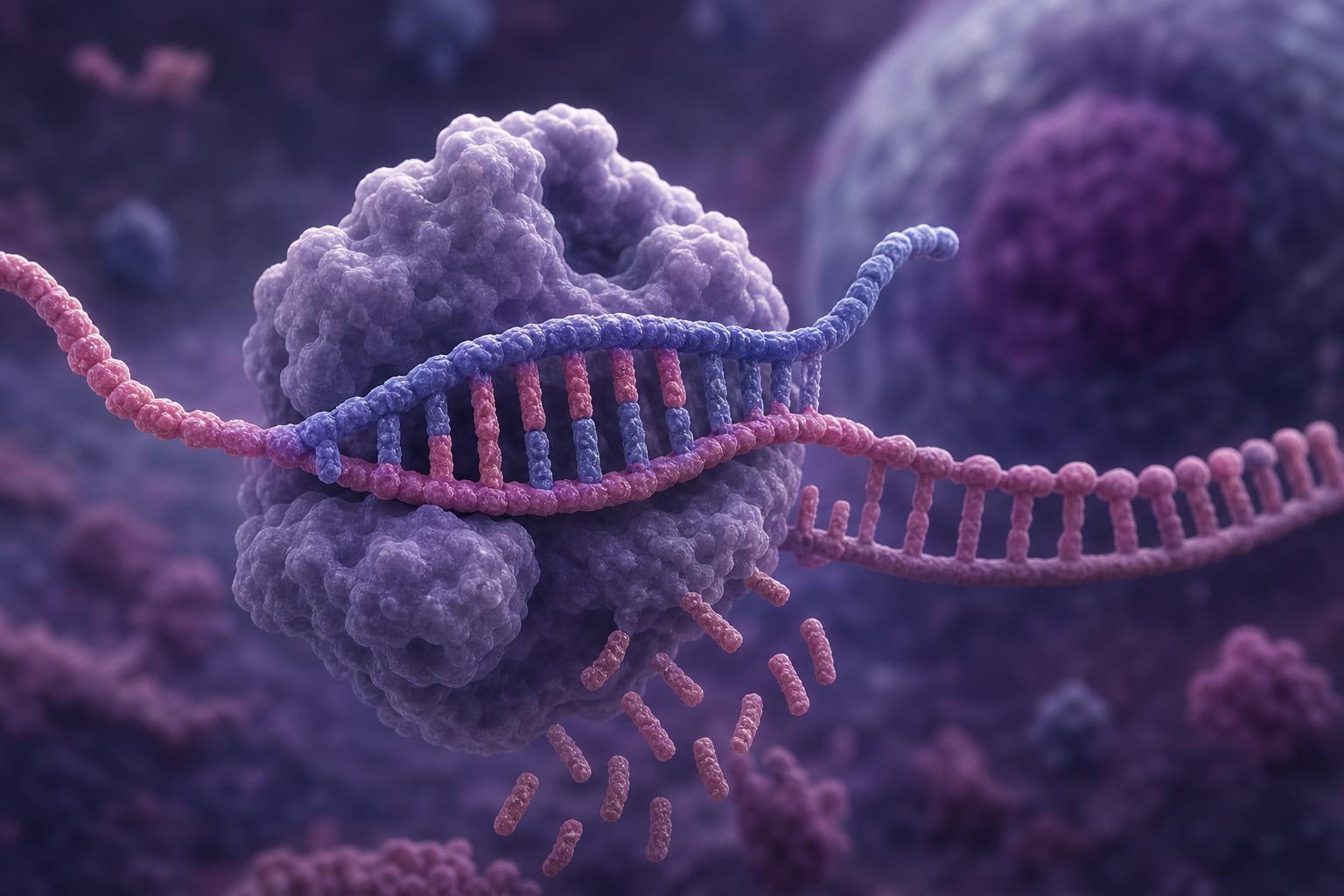
Epigenetic therapies targeting regulators like EZH2 and LSD1 may enhance antigen presentation and immunotherapy sensitivity.
Circulating tumor DNA and epigenomic profiling can monitor tumor evolution and treatment response noninvasively.
Durable clinical benefit in SCLC may require biomarker-driven combination strategies to address tumor plasticity.
Clinical Implications
Clinicians should consider the dynamic nature of SCLC when developing treatment plans, incorporating strategies that target tumor plasticity and antigen modulation. The integration of epigenetic therapies and immune engagement may enhance treatment efficacy and improve patient outcomes.
Conclusion
Reframing SCLC treatment strategies by leveraging insights from hematologic malignancies could lead to more effective therapies. A multifaceted approach that includes antigen targeting, epigenetic modulation, and immune engagement is essential for improving clinical outcomes in this aggressive cancer.