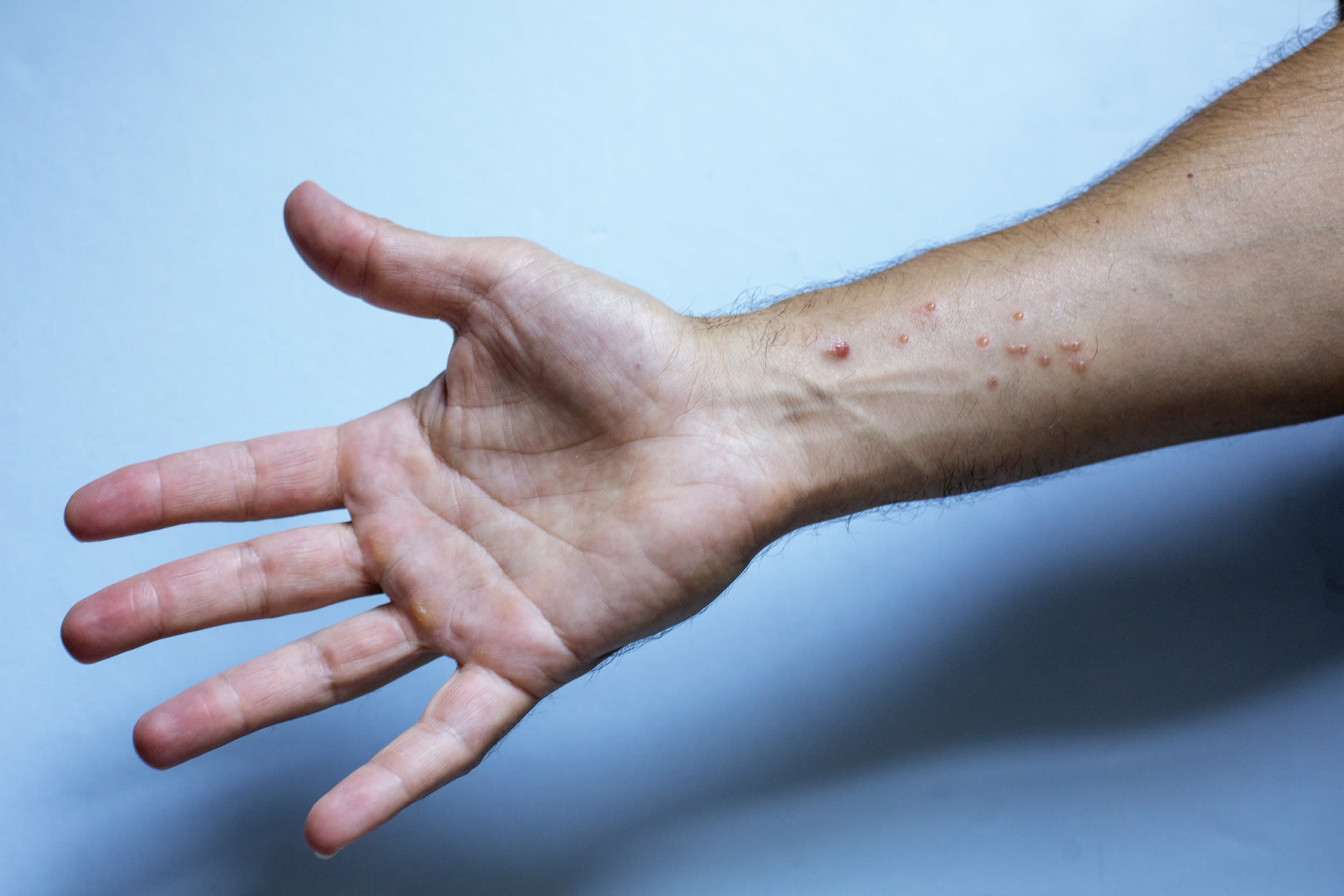
Mpox Sequelae Persist 11 to 18 Months After Infection
-
By
-
Henry Thomas
-
January 27, 2026
-
3 min
Clinical Report: Mpox Sequelae Persist 11 to 18 Months After Infection
Overview
A cohort study found that over half of adults evaluated 11 to 18 months post-mpox diagnosis had at least one persistent physical sequela, primarily mild appearance-related changes. Despite good overall health ratings, many participants reported ongoing social and sexual effects.
Background
Mpox, previously known as monkeypox, can lead to significant long-term sequelae following acute infection. Understanding these persistent effects is crucial for managing patient care and addressing the psychosocial impacts on individuals recovering from mpox. This study highlights the need for ongoing follow-up and support for affected patients.
Data Highlights
| Finding | Percentage |
|---|---|
| Participants with at least one persistent sequela | 58% |
| Appearance-related sequelae | 56% |
| Participants reporting ongoing psychosocial challenges | ~50% |
| Functional sequelae (anorectal/urinary symptoms) | 13% |
| Participants with increased depressive symptoms | 45% |
| Participants with ongoing effects on sexual performance | ~20% |
Key Findings
- 58% of participants had at least one persistent sequela 11 to 18 months post-infection.
- 56% of sequelae were appearance-related, with 83% reporting persistent skin discoloration.
- 13% of participants experienced functional complications, primarily anorectal or urinary dysfunction.
- 45% reported increased depressive symptoms, and 40% reported increased anhedonia.
- Persistent sequelae were linked to more severe acute disease, particularly confluent lesions.
- Persistent sequelae were not associated with uncontrolled HIV or prior vaccination.
Clinical Implications
Healthcare providers should be aware of the potential for long-term sequelae in patients recovering from mpox, including psychosocial impacts. Regular follow-up assessments are recommended to address persistent symptoms and support overall health and well-being.
Conclusion
The findings underscore the importance of long-term monitoring for individuals recovering from mpox, as many experience lasting physical and psychosocial challenges. Continued research and support are essential for this patient population.
References
- Cholli PA, et al., Annals of Internal Medicine, 2023 -- Long-Term Mpox Sequelae 11 to 18 Months After Acute Illness: A Cohort Study in Two U.S. Cities
- Open Forum Infectious Diseases, 2023 -- Prolonged Mpox PCR Positivity for Over One Year in a Patient with Advanced HIV Infection
- Open Forum Infectious Diseases, 2023 -- Long-Term Antibody Responses Observed Two Years After Mpox Infection, Unlike Those Following MVA–BN Vaccination
- Open Forum Infectious Diseases, 2023 -- Neutralizing Antibody Responses to Mpox Persist for Up to 9 Months After One or Two Doses of Intradermal MVA-BN Vaccination in Sweden
- Clinical management and infection prevention and control for mpox: living guideline, May 2025
- National Institutes of Health (NIH), 2023 -- Tecovirimat is safe but ineffective as treatment for clade II mpox
- The Journal of Infectious Diseases — Reevaluating Neutralizing Antibodies Against Monkeypox Virus Over Two Years Post-Mpox Infection or MVA-BN Vaccination
- Clinical management and infection prevention and control for mpox: living guideline, May 2025
- Tecovirimat is safe but ineffective as treatment for clade II mpox | National Institutes of Health (NIH)
- Long-Term Mpox Sequelae 11 to 18 Months After Acute Illness: A Cohort Study in Two U.S. Cities - PMC
This content is an AI-generated, fully rewritten summary based on a published scholarly article. It does not reproduce the original text and is not a substitute for the original publication. Readers are encouraged to consult the source for full context, data, and methodology.