Sleep patterns, physical activity and glycemic control in newly diagnosed type 2 diabetes patients from a joint perspective: a cross-sectional study - Report - MDSpire
Advertisement
Sleep patterns, physical activity and glycemic control in newly diagnosed type 2 diabetes patients from a joint perspective: a cross-sectional study
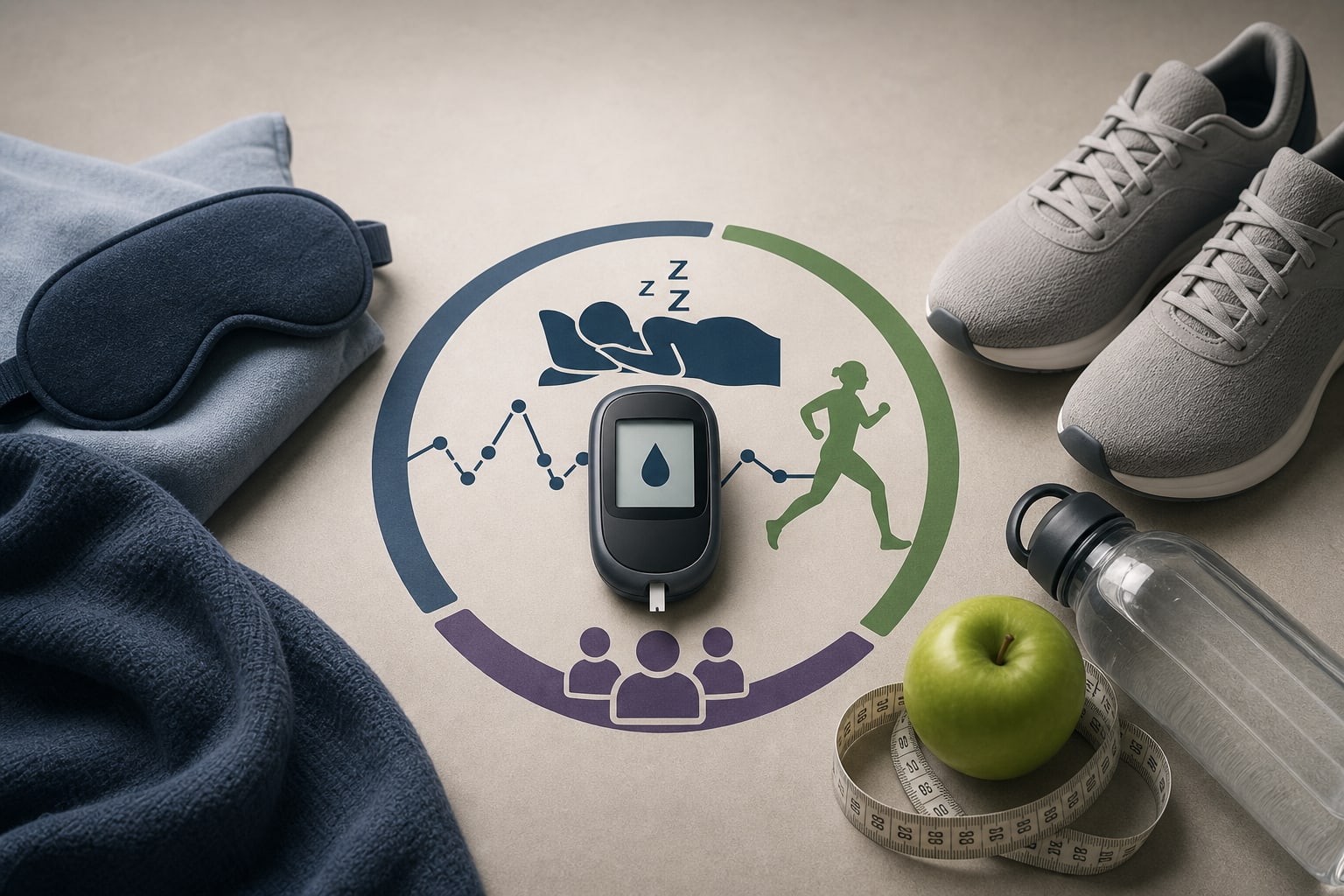
Clinical Report: Examining Sleep, Activity, and Glycemic Management in T2DM
Overview
Optimal sleep duration for individuals with Type 2 Diabetes Mellitus (T2DM) is approximately 6.92 hours per night. This duration is associated with improved glycemic control and overall health outcomes.
Background
Research indicates that both sleep quality and quantity play critical roles in the management of T2DM. Studies have shown that inadequate sleep can lead to insulin resistance and poor glycemic control. Specific studies, such as those conducted by the American Diabetes Association, highlight the importance of sleep in metabolic health.
Data Highlights
Average Sleep Duration: 6.92 hours
HbA1c Levels: Lower in individuals achieving optimal sleep duration
Physical Activity: Moderate-intensity activities correlated with better glycemic control
Key Findings
The relationship between sleep duration and glycemic control follows a U-shaped curve, indicating that both insufficient and excessive sleep can negatively impact HbA1c levels. Optimal sleep duration is essential for maintaining metabolic health in T2DM patients.
Clinical Implications
Healthcare providers should encourage patients with T2DM to engage in moderate-intensity activities such as brisk walking, cycling, or swimming for at least 150 minutes per week. These activities not only improve physical health but also enhance sleep quality, contributing to better glycemic management.
Conclusion
To improve health outcomes in individuals with T2DM, specific lifestyle modifications should be emphasized. These include maintaining a consistent sleep schedule, engaging in regular physical activity, and adopting a balanced diet. Such changes can lead to significant improvements in glycemic control and overall well-being.